Debt Consolidation

Visitors exploring this section will discover a wealth of information about the legal aspects of managing multiple debts, including insights into debt consolidation agreements and how they interact with bankruptcy law. This tag aggregates expert interviews with attorneys specializing in consumer protection and finance law, alongside articles detailing the implications of consolidating debt through legal frameworks. Whether you’re researching debt relief options or seeking to understand the legal ramifications of debt management, our resources provide authoritative guidance on navigating these complex financial issues.

Financial restructuring guide with charts and graphs

Financial Restructuring: Complete Guide for 2024

Financial restructuring reorganizes debt obligations to overcome financial hardship. Through financial safety planning and partnership restructuring options, individuals and businesses create sustainable payment plans. Proper financial hardship documentation supports negotiations for better terms.

Financial Restructuring: Complete Guide for 2024 Read More »

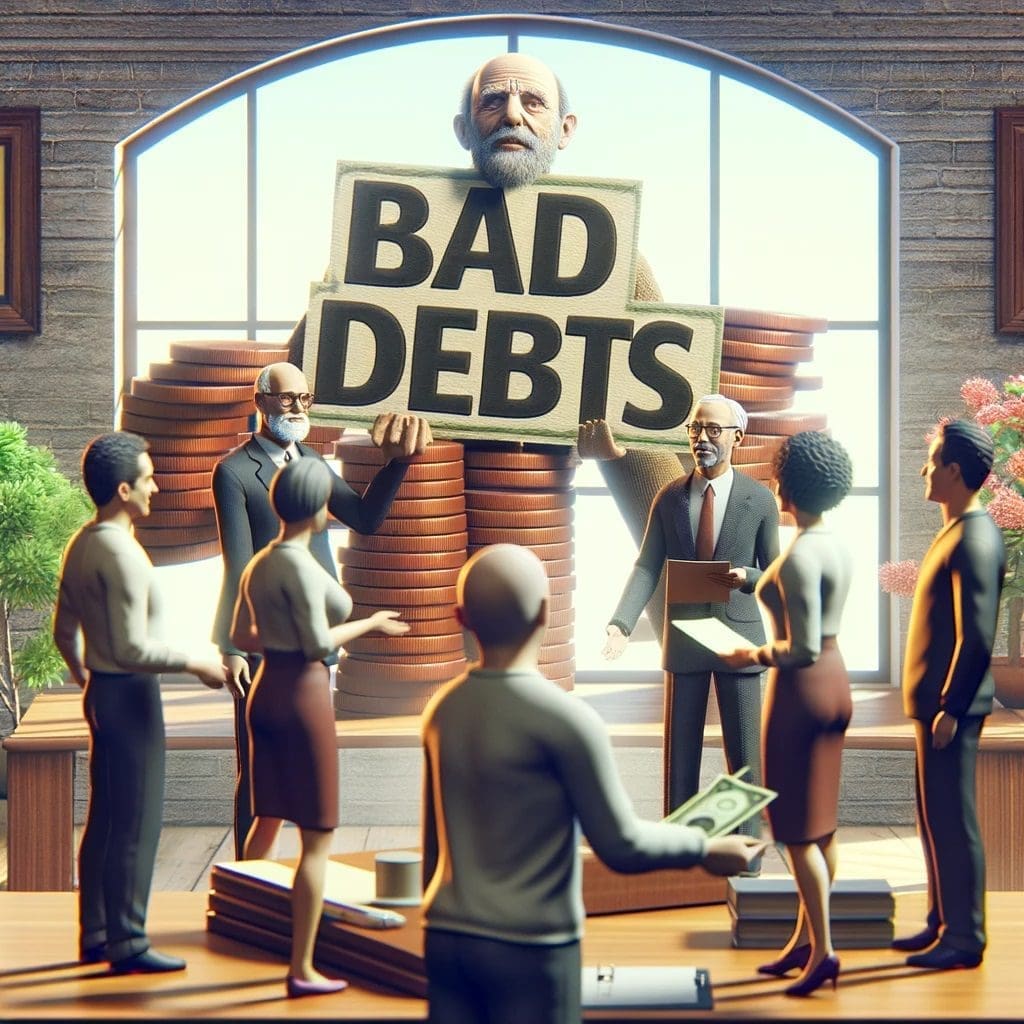
Real-Life Interactions with Bad Debts: A Visual Representation

What Happens If Debtors Ignore Court Orders?

If debtors ignore court orders, they can face contempt of court, fines, arrest warrants, and stronger collection actions such as wage garnishment or bank levies. Courts may view noncompliance as willful, escalating penalties and limiting defenses, especially after missed hearings or ignored discovery. This article explains common orders in debt cases, what creditors can request,

What Happens If Debtors Ignore Court Orders? Read More »

Navigating Debt Relief with Legal Alternatives

Bankruptcy Alternatives: Legal Options for Debt Relief

Bankruptcy alternatives include at least 5 common options: debt negotiation, debt settlement, consolidation loans, credit counseling/DMPs, and informal repayment plans. These can reduce payments or interest and may help preserve credit compared with a bankruptcy filing. This article explains key legal debt relief paths and when each may fit individuals or businesses. When individuals and

Bankruptcy Alternatives: Legal Options for Debt Relief Read More »

Exploring Student Debt Solutions with a Lawyer

Student Loan Debt: Legal Options for Relief

Student loan debt relief is possible through federal forgiveness programs, income-driven repayment plans, discharge in limited hardship cases, and negotiated settlements. The right option depends on whether your loans are federal or private, your repayment status, and any qualifying circumstances like disability, school misconduct, or severe financial distress. This article explains the main legal pathways

Student Loan Debt: Legal Options for Relief Read More »

Choosing Between Chapter 13 and Chapter 7 Bankruptcy

Chapter 13 vs. Chapter 7 Bankruptcy: Which to Choose?

Chapter 7 can wipe out qualifying unsecured debts in about 3–6 months, while Chapter 13 repays debts through a court-approved plan over 3–5 years. The right choice depends on your income, the property you need to protect, and whether you’re trying to catch up on mortgage, car, or tax arrears. This article compares eligibility, costs,

Chapter 13 vs. Chapter 7 Bankruptcy: Which to Choose? Read More »

Bankruptcy Alternatives with a Debt Relief Expert

Debt Relief Attorney: Alternatives to Bankruptcy

A debt relief attorney can often reduce unsecured balances by 20–60% through negotiation, settlement, or structured repayment plans without bankruptcy. The right option depends on income, assets, creditor pressure, and whether the debt is secured or unsecured. This article outlines key bankruptcy alternatives, when they work best, and how an attorney can implement them. When

Debt Relief Attorney: Alternatives to Bankruptcy Read More »

Legal Consultation for Debt Management: Discussing Alternatives to Bankruptcy

What Alternatives to Bankruptcy Can a Lawyer Suggest?

A lawyer can often suggest multiple alternatives to bankruptcy—such as debt negotiation, loan modification, forbearance, or an assignment for the benefit of creditors—depending on your income, assets, and creditor pressure. These options may reduce payments, stop collection activity, or resolve debts while avoiding some long-term credit and public-record impacts of filing. This article explains the

What Alternatives to Bankruptcy Can a Lawyer Suggest? Read More »

Scroll to Top