Explore an array of informative articles, expert attorney interviews, and comprehensive resources dedicated to understanding the complexities of managing financial obligations. This category covers essential topics such as debt consolidation, bankruptcy options, creditor negotiations, and legal rights in debt recovery. Designed to educate visitors, it guides you through the legal landscape of debt issues without offering specific legal advice.
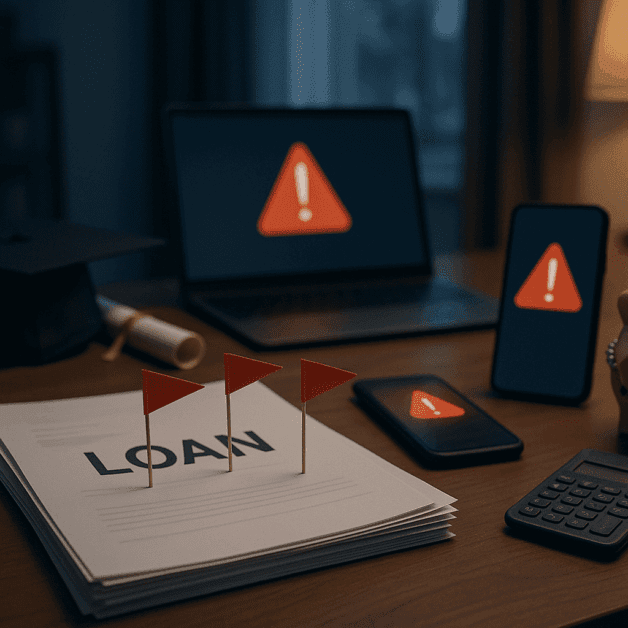
Student loan forgiveness scams typically show three clear red flags: upfront fees, guarantees of forgiveness, and requests for your FSA ID or Social Security number. Legitimate federal forgiveness and repayment programs are free to apply for through official government channels, and no company can promise approval. This article explains each warning sign, how these scams […]
Debt consolidation combines multiple debts into a single loan or payment—often to secure a lower interest rate or simpler monthly bill. It can reduce costs and streamline repayment, but it may also extend the payoff period or require collateral depending on the option used. This article explains how debt consolidation works, common methods, key legal […]
February 26, 2026•By Attorneys.Media Editorial Staff
Wage garnishment procedures allow creditors to take money directly from your paycheck through court orders. Understanding wage garnishment challenges helps protect your rights. Common debts include credit cards, medical bills, and student loans. Get legal help for wage garnishments to stop wage garnishments.
February 14, 2026•By Attorneys.Media Editorial Staff
Personal bankruptcy offers two main paths: Chapter 7 eliminates debts quickly through liquidation, while Chapter 13 creates a 3-5 year repayment plan. Understanding these options is crucial for personal bankruptcy help. Choose based on income, assets, and goals for effective debt relief.
February 14, 2026•By Attorneys.Media Editorial Staff
Debt resolution helps settle debts for less than owed through direct creditor negotiations. Learn essential debt resolution strategies, understand debt collector regulations, and protect your consumer debt rights with proper debt validation letters when facing overwhelming financial obligations.
February 12, 2026•By Attorneys.Media Editorial Staff
Chapter 13 bankruptcy helps individuals with regular income reorganize debts through structured repayment plans over 3-5 years. Unlike Chapter 7 vs. Chapter 13 comparisons, Chapter 13 protects assets while addressing Chapter 13 lawyer costs through manageable payment arrangements with creditors.
February 12, 2026•By Attorneys.Media Editorial Staff
Chapter 7 bankruptcy offers fast debt relief through discharge of credit cards and medical bills. Unlike bankruptcy chapter 7 vs chapter 13 with payment plans, Chapter 7 completes in months. Learn how to rebuild credit after chapter 7 while working with experienced attorneys for the best outcome.