Debt Negotiation

Explore a wealth of resources and expert insights on negotiating financial obligations with creditors, including video interviews with seasoned attorneys and detailed articles that demystify the process. Visitors will find comprehensive explanations of key legal concepts such as debt settlement, creditor negotiations, and the Fair Debt Collection Practices Act, all designed to enhance understanding without offering legal advice. Delve into a curated selection of legal definitions and practical information to empower informed decision-making in managing financial liabilities.

Settlement negotiation strategies meeting room

Settlement Negotiation Mastery: Essential Strategies

Master essential settlement negotiation strategies for brain injury settlement negotiation, insurance settlement negotiation whiplash, and debt negotiation strategies. Learn proven preparation techniques, documentation methods, and tactics to maximize your settlement outcome while avoiding common pitfalls.

Settlement Negotiation Mastery: Essential Strategies Read More »

Legal Guidance for Tackling Student Loan Debt

Student Loan Lawyer: Options for Managing Education Debt

A student loan lawyer can help borrowers resolve default and potentially avoid wage garnishment of up to 15% of disposable pay on federal loans. They review your loans, negotiate with servicers or collectors, and guide you through IDR plans, consolidation, discharge, and forgiveness. This article covers repayment strategies, default defenses, and when to hire counsel.

Student Loan Lawyer: Options for Managing Education Debt Read More »

Bankruptcy Alternatives with a Debt Relief Expert

Debt Relief Attorney: Alternatives to Bankruptcy

A debt relief attorney can often reduce unsecured balances by 20–60% through negotiation, settlement, or structured repayment plans without bankruptcy. The right option depends on income, assets, creditor pressure, and whether the debt is secured or unsecured. This article outlines key bankruptcy alternatives, when they work best, and how an attorney can implement them. When

Debt Relief Attorney: Alternatives to Bankruptcy Read More »

Legal Ways to Shield Your Income from Garnishment

Wage Garnishment Help: Legal Options to Protect Your Income

Most wage garnishments are capped at 25% of your disposable earnings under federal law. You may be able to reduce or stop garnishment by claiming exemptions, negotiating a payment plan, or challenging the judgment in court. This article covers the legal options to protect your income and next steps to take. Wage garnishment can significantly

Wage Garnishment Help: Legal Options to Protect Your Income Read More »

Legal Consultation for Debt Management: Discussing Alternatives to Bankruptcy

What Alternatives to Bankruptcy Can a Lawyer Suggest?

A lawyer can often suggest multiple alternatives to bankruptcy—such as debt negotiation, loan modification, forbearance, or an assignment for the benefit of creditors—depending on your income, assets, and creditor pressure. These options may reduce payments, stop collection activity, or resolve debts while avoiding some long-term credit and public-record impacts of filing. This article explains the

What Alternatives to Bankruptcy Can a Lawyer Suggest? Read More »

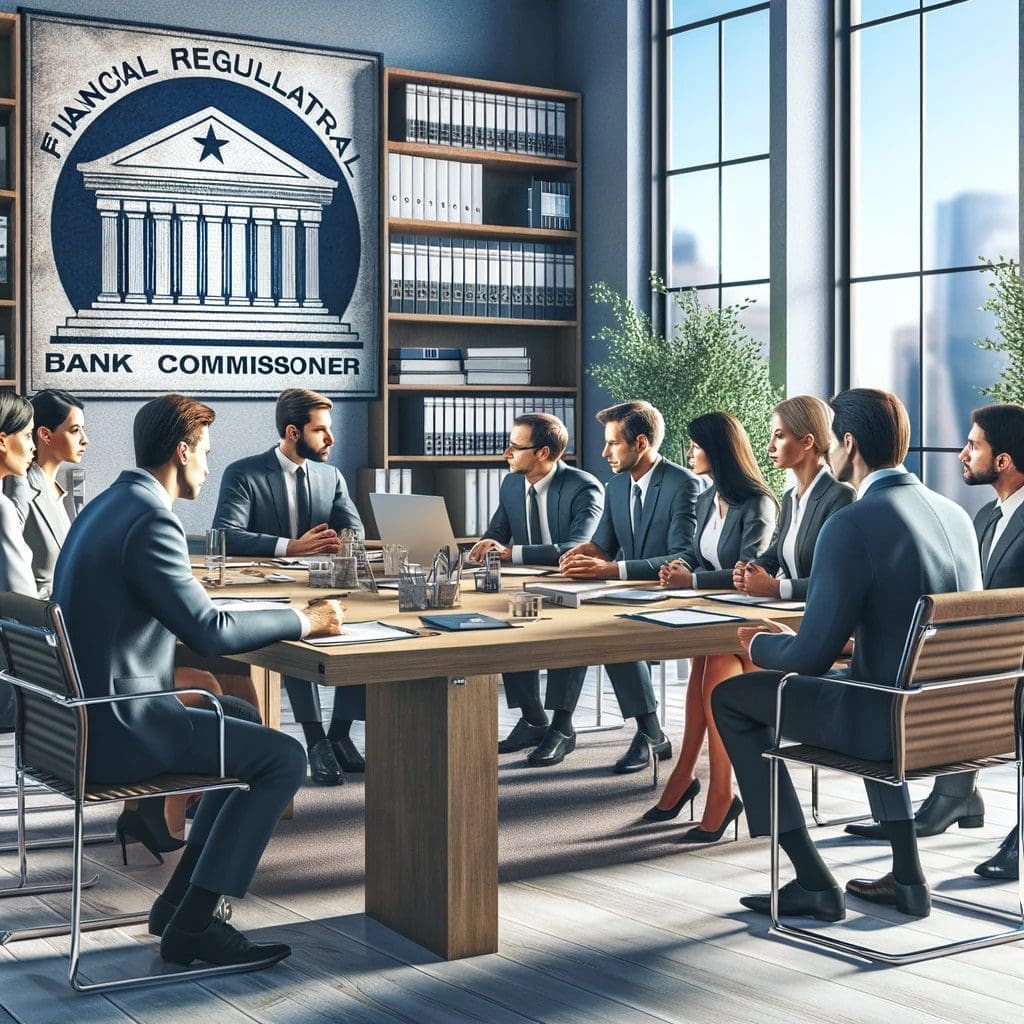
The Impact of Bank Commissioners in Banking Supervision

Exploring the Role of Bank Commissioners in Banking Regulation and Consumer Protection

A bank commissioner is a state-appointed regulator who supervises banks and enforces state banking laws to protect consumers and financial stability. They license institutions, conduct examinations, investigate misconduct, and can issue administrative orders and penalties. This article explains core duties, civil/criminal enforcement touchpoints, and consumer protection impacts. The role of a Bank Commissioner is integral

Exploring the Role of Bank Commissioners in Banking Regulation and Consumer Protection Read More »

Expert Legal Advice in Bank Collection Matters

Navigating Bank Collection in Civil and Criminal Law: Understanding Legal Procedures and Debtor Rights

Bank collection is usually a civil process where creditors sue for a judgment and can pursue wage garnishment or bank levies. Criminal law applies only when there’s evidence of fraud, theft, or bad-check conduct—not mere nonpayment. This article explains the procedures, debtor defenses, and how civil collections can overlap with criminal investigations. Navigating the complex

Navigating Bank Collection in Civil and Criminal Law: Understanding Legal Procedures and Debtor Rights Read More »

Scroll to Top