financial stability

Explore insights into how financial stability intersects with various legal issues, including bankruptcy law, estate planning, and divorce settlements. Visitors will find video interviews with attorneys, articles discussing legal strategies, and definitions of related legal terms, all designed to enhance understanding of financial management within the legal framework. This tag provides resources to help individuals navigate the complexities of maintaining financial health while addressing legal obligations.

Financial stability guide with tips and strategies

Financial Stability: Your Complete Guide to Success

Financial stability planning means having resources to cover daily needs and emergencies. Core principles include emergency funds, steady income, manageable debt, and future planning. Smart financial safety planning through budgeting and savings provides financial hardship solutions for long-term security.

Financial Stability: Your Complete Guide to Success Read More »

Insurance fund solvency guide for 2024 financial planning

Insurance Fund Solvency: Essential Guide for 2024

Insurance fund solvency ensures banks can protect depositors when failures occur. The Bank Insurance Fund Reserve Ratio measures fund health, while the Deposit Insurance Fund safeguards savings up to $250,000. Understanding these insurance funds helps maintain confidence in our banking system.

Insurance Fund Solvency: Essential Guide for 2024 Read More »

Expert Team Discussing Bank Holding Company Regulations

How to Analyze Ballot Propositions Step-by-Step

To analyze a ballot proposition effectively, read the full text and fiscal estimate, identify what changes legally, and confirm who funds and enforces it. This quick framework helps voters cut through campaign claims by focusing on real-world effects, costs, and unintended consequences. This article walks step-by-step through reviewing proposition language, researching impacts, weighing pros and

How to Analyze Ballot Propositions Step-by-Step Read More »

Expert Team Analyzing Bank Insurance Fund Implications

Bank Insurance Fund: Ensuring Stability and Security in Banking

The Bank Insurance Fund, administered by the FDIC, backs insured deposits up to $250,000 per depositor, per insured bank, per ownership category. It supports public confidence by ensuring depositors are protected if an insured bank fails. This article explains how the BIF works, its legal framework, and why it matters to banking stability. In the

Bank Insurance Fund: Ensuring Stability and Security in Banking Read More »

Expert Analysis of 'Bad Bank' in a Financial Strategy Session

What Makes Assets Too Toxic for Banks?

Banks typically deem an asset “too toxic” when its true value and risk can’t be reliably measured or sold without major loss, often due to illiquidity, uncertainty, or legal and regulatory exposure. These assets can distort balance sheets, trigger higher capital requirements, and threaten compliance even if they still generate cash flow. This article explains

What Makes Assets Too Toxic for Banks? Read More »

Navigate Chapter 13 Bankruptcy: Essential Strategies for Relief

How Do You Complete a Chapter 13 Bankruptcy Plan?

You complete a Chapter 13 bankruptcy plan by making all required plan payments on time—typically over 36 to 60 months—and meeting any additional court-ordered duties until you receive a discharge. The trustee distributes your payments to creditors while you stay current on ongoing obligations like mortgage payments, taxes, and domestic support. This article explains the

How Do You Complete a Chapter 13 Bankruptcy Plan? Read More »

Navigating Divorce Steps and Key Decisions

5 Common Mistakes to Avoid in a Divorce

Divorce outcomes can be derailed by a handful of common, avoidable mistakes that cost time, money, and leverage in negotiations or court. Missteps like hiding assets, venting on social media, ignoring temporary orders, or acting without legal guidance can quickly escalate conflict and undermine your position. This article explains five frequent divorce errors and offers

5 Common Mistakes to Avoid in a Divorce Read More »

Protecting Consumers Through Financial Law

How Do Financial Regulations Impact Consumer Rights?

Financial regulations protect consumer rights by requiring fair lending, clear disclosures, privacy safeguards, and accessible dispute resolution, with major U.S. enforcement led by the CFPB under laws like the Truth in Lending Act and Fair Credit Reporting Act. These rules limit deceptive practices and give consumers tools to challenge errors, unauthorized charges, and discriminatory or

How Do Financial Regulations Impact Consumer Rights? Read More »

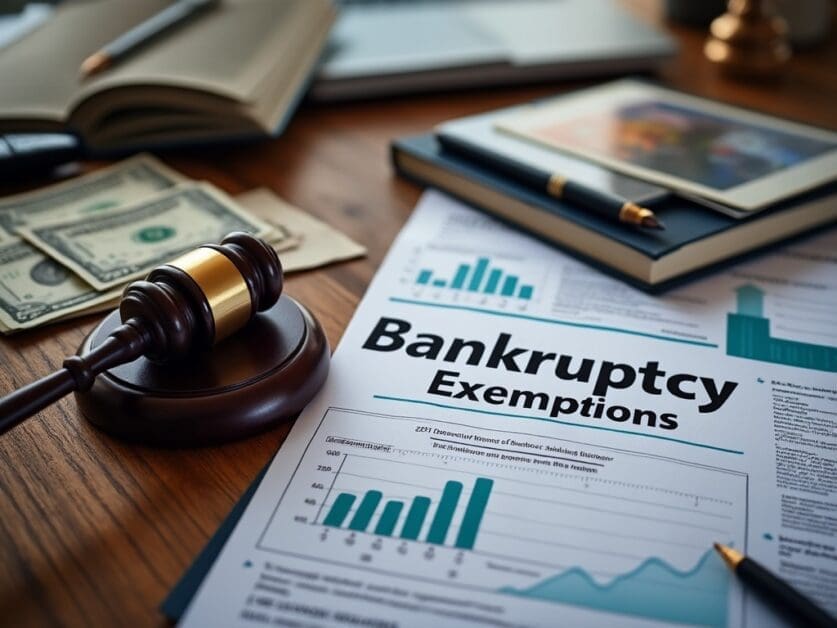
Lawyer Explaining Bankruptcy Exemptions

How Do Bankruptcy Exemptions Work and How Can a Lawyer Help?

Bankruptcy exemptions can protect 100% of certain assets (like basic household goods) from liquidation, but limits and eligibility vary by state and chapter. A bankruptcy lawyer helps you choose the right exemption system, properly value and list property, and defend exemptions if a trustee objects. This article explains how exemptions work and how counsel safeguards

How Do Bankruptcy Exemptions Work and How Can a Lawyer Help? Read More »

Legal Consultation for Debt Management: Discussing Alternatives to Bankruptcy

What Alternatives to Bankruptcy Can a Lawyer Suggest?

A lawyer can often suggest multiple alternatives to bankruptcy—such as debt negotiation, loan modification, forbearance, or an assignment for the benefit of creditors—depending on your income, assets, and creditor pressure. These options may reduce payments, stop collection activity, or resolve debts while avoiding some long-term credit and public-record impacts of filing. This article explains the

What Alternatives to Bankruptcy Can a Lawyer Suggest? Read More »

Scroll to Top