financial stability

Explore insights into how financial stability intersects with various legal issues, including bankruptcy law, estate planning, and divorce settlements. Visitors will find video interviews with attorneys, articles discussing legal strategies, and definitions of related legal terms, all designed to enhance understanding of financial management within the legal framework. This tag provides resources to help individuals navigate the complexities of maintaining financial health while addressing legal obligations.

Expert Guidance on How to File for Bankruptcy

How Do I File for Bankruptcy?

To file for bankruptcy, you typically complete 6–8 core steps, starting with credit counseling and ending with a court discharge. You’ll choose Chapter 7 or Chapter 13, gather required financial documents, file with the bankruptcy court, and attend the 341 meeting of creditors. This article explains bankruptcy types, paperwork, costs, timelines, and what to expect. […]

How Do I File for Bankruptcy? Read More »

Navigating Bankruptcy Law: Key Legal Options and Protections

Bankruptcy Law – Legal Options and Protections

Bankruptcy can stop most collections immediately through the automatic stay and may discharge eligible debts. Choosing between Chapter 7 and Chapter 13 depends on income, assets, and your ability to repay over time. This article explains key bankruptcy types, legal protections, and how an attorney can guide your filing. Bankruptcy can be a daunting experience,

Bankruptcy Law – Legal Options and Protections Read More »

Navigating the Crisis: How Banks and Lawyers Prevent Bank Runs

Bank Runs and Legal Defense: Safeguarding Financial Stability

In the U.S., most bank deposits are insured by the FDIC up to $250,000 per depositor, per insured bank, which helps curb panic during a bank run. Regulators can also step in with emergency measures, disclosures, and enforcement to protect depositors and stabilize liquidity. This article explains the legal landscape, regulatory responses, and prevention tools

Bank Runs and Legal Defense: Safeguarding Financial Stability Read More »

Understanding Banking Law: Key Legal Essentials for Financial Institutions

Banking Law – Legal Essentials for Financial Institutions

Banking law compliance for financial institutions typically spans 5 core areas: licensing, capital and liquidity, AML/KYC, consumer protection, and reporting. Meeting these obligations reduces enforcement risk, civil liability, and potential charter or license loss. This article outlines the regulatory framework and the essential compliance components banks must follow. Many financial institutions operate in a highly

Banking Law – Legal Essentials for Financial Institutions Read More »

Is Your Business Fully Shielded With A Bankruptcy Remote Entity?

A bankruptcy remote entity (BRE) is a separate legal entity structured to reduce the chance its assets get pulled into another party’s bankruptcy. It uses formal separateness and governance limits (often including an independent manager) to isolate liabilities and preserve collateral for lenders or owners. This article explains how BREs work, key benefits and limits,

Is Your Business Fully Shielded With A Bankruptcy Remote Entity? Read More »

Experts Ensuring Compliance with Financial and Data Protection Laws

Exploring the Legal Framework of Banking Organizations for Stability and Trust

Banking organizations typically face oversight from at least 1 primary regulator and must meet capital and liquidity requirements to operate. These legal rules protect depositors, reduce systemic risk, and enforce fair lending and disclosure standards. This article explains key regulatory structures, compliance duties, and how laws build stability and trust across banking services. Navigating the

Exploring the Legal Framework of Banking Organizations for Stability and Trust Read More »

The Impact of Bank Commissioners in Banking Supervision

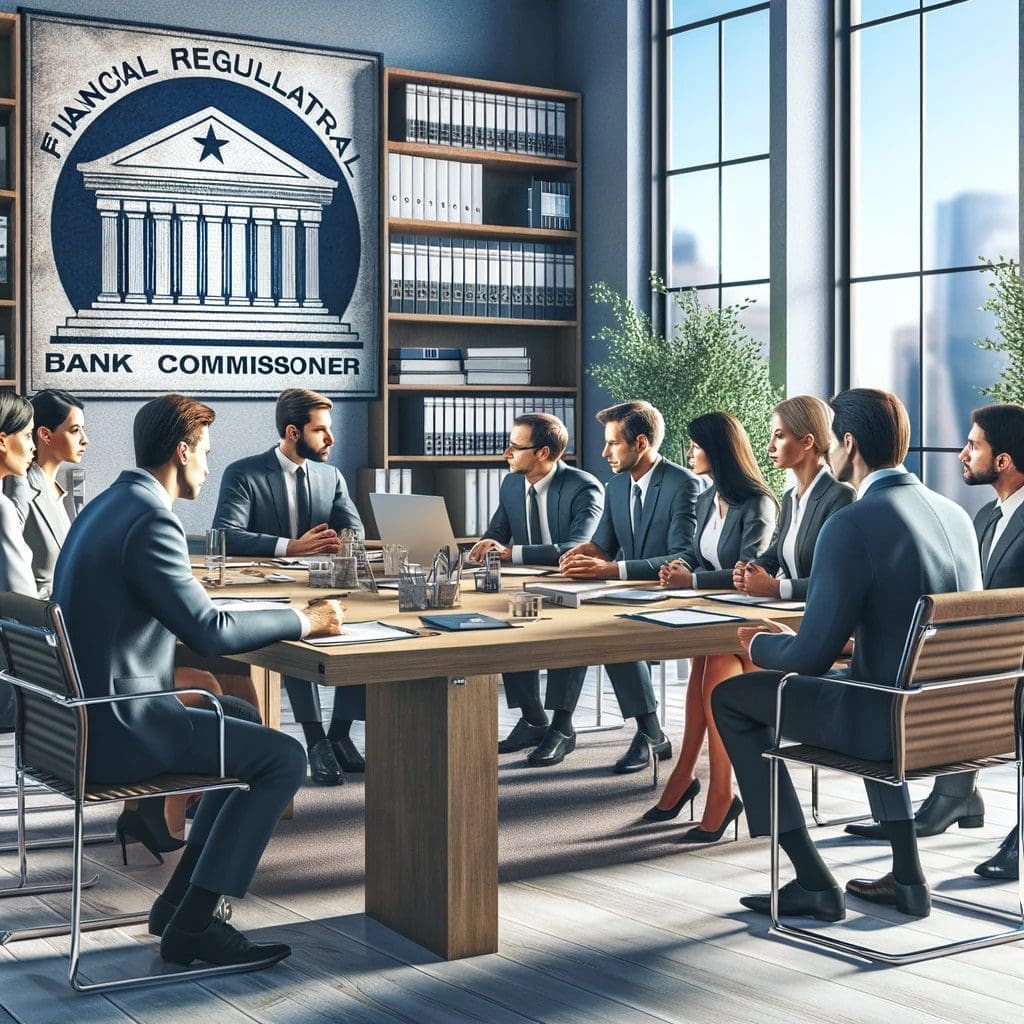
Exploring the Role of Bank Commissioners in Banking Regulation and Consumer Protection

A bank commissioner is a state-appointed regulator who supervises banks and enforces state banking laws to protect consumers and financial stability. They license institutions, conduct examinations, investigate misconduct, and can issue administrative orders and penalties. This article explains core duties, civil/criminal enforcement touchpoints, and consumer protection impacts. The role of a Bank Commissioner is integral

Exploring the Role of Bank Commissioners in Banking Regulation and Consumer Protection Read More »

Expert Legal Advice in Bank Collection Matters

Navigating Bank Collection in Civil and Criminal Law: Understanding Legal Procedures and Debtor Rights

Bank collection is usually a civil process where creditors sue for a judgment and can pursue wage garnishment or bank levies. Criminal law applies only when there’s evidence of fraud, theft, or bad-check conduct—not mere nonpayment. This article explains the procedures, debtor defenses, and how civil collections can overlap with criminal investigations. Navigating the complex

Navigating Bank Collection in Civil and Criminal Law: Understanding Legal Procedures and Debtor Rights Read More »

Navigating the Complexities of the Bank Conservation Act

Understanding the Bank Conservation Act: Ensuring Banking Stability

The Bank Conservation Act provides a legal framework to conserve and rehabilitate banks facing financial distress to maintain U.S. banking stability. It authorizes supervisory actions that prioritize continuity of operations and protection of the banking system. This article explains what the Act is, how it works, and why it matters for banks and regulators. In

Understanding the Bank Conservation Act: Ensuring Banking Stability Read More »

Scroll to Top