Fraud Prevention

Explore in-depth resources focused on protecting against fraudulent activities, where you’ll find informative articles, video interviews with experienced attorneys, and detailed legal glossary entries. This content addresses various aspects of fraud prevention, including financial fraud, identity theft, and legal strategies to safeguard individuals and businesses. Stay informed with expert insights into the legal mechanisms and preventative measures essential for minimizing fraud risks.

Legal Expertise in Action: Bankruptcy Administrator's Courtroom Presentation

Why Are Bankruptcy Administrators Important for Debtors?

Bankruptcy Administrators oversee bankruptcy cases in 2 states—Alabama and North Carolina—to ensure trustees and parties follow court rules. Their court-based supervision helps protect debtors through consistent administration and accountability in Chapter 7, 11, 12, and 13 cases. This article explains their duties, how they differ from U.S. Trustees, and what debtors should expect. In the […]

Why Are Bankruptcy Administrators Important for Debtors? Read More »

Learn Consumer Protection: Key Legal Rights and Recourse for Every Consumer

Master Consumer Protection: Understanding Your Legal Rights and Recourse Options

Consumer protection laws give you enforceable rights to fair treatment, truthful advertising, and refunds or damages when businesses engage in deceptive or unfair practices. These protections come from a mix of federal and state statutes and are enforced through agencies, courts, and private lawsuits, with deadlines and proof requirements that can affect your recovery. This

Master Consumer Protection: Understanding Your Legal Rights and Recourse Options Read More »

Professional Team Engaged in High-Stakes Fraud Investigation

Understanding Fraud: Prevention, Detection, and Legal Actions

Fraud is an intentional deception used to secure unlawful gain, and U.S. organizations lose an estimated 5% of revenue to it each year. It can take many forms—from identity theft and credit card schemes to employee embezzlement and contract fraud—and early detection can limit losses and legal exposure. This article explains common fraud types, prevention

Understanding Fraud: Prevention, Detection, and Legal Actions Read More »

Dedicated Professionals Engage in Cyber Defense Operations

Comprehensive Guide to Understanding and Preventing Cybercrime

Cybercrime includes 10+ major categories, from identity theft and phishing to ransomware and unauthorized system access. Most incidents start with compromised credentials, so strong passwords, MFA, and rapid reporting reduce harm. This guide explains key cybercrime types, prevention best practices, legal rights, and recovery steps for victims. Cybercrime has emerged as one of the most

Comprehensive Guide to Understanding and Preventing Cybercrime Read More »

Navigating Bank Note Legalities: Expert Advice in Action

Bank Notes and Legalities: Navigating Fraud, Compliance, and Digital Transitions

Bank note fraud and counterfeiting are criminal offenses in every U.S. jurisdiction, with federal penalties reaching up to 20 years in prison for counterfeit currency. Businesses must follow AML/KYC, reporting, and recordkeeping rules to reduce risk when handling cash. This article covers fraud liability, compliance basics, and how digital transitions change bank-note regulation. In the

Bank Notes and Legalities: Navigating Fraud, Compliance, and Digital Transitions Read More »

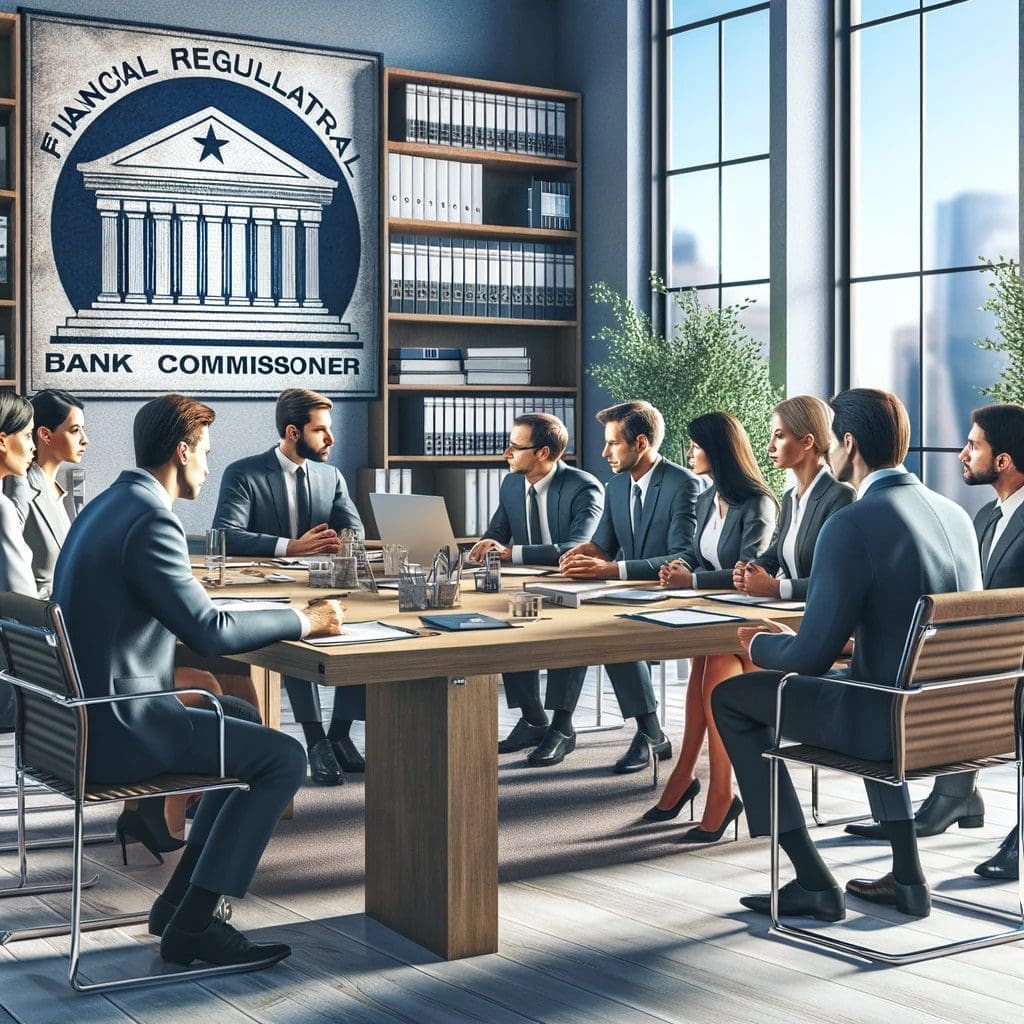
The Impact of Bank Commissioners in Banking Supervision

Exploring the Role of Bank Commissioners in Banking Regulation and Consumer Protection

A bank commissioner is a state-appointed regulator who supervises banks and enforces state banking laws to protect consumers and financial stability. They license institutions, conduct examinations, investigate misconduct, and can issue administrative orders and penalties. This article explains core duties, civil/criminal enforcement touchpoints, and consumer protection impacts. The role of a Bank Commissioner is integral

Exploring the Role of Bank Commissioners in Banking Regulation and Consumer Protection Read More »

Exploring the Complexities of Bank Deposits and Security

Understanding Legal Aspects of Bank Deposits: Civil and Criminal Implications

Bank deposits are governed mainly by UCC Articles 3 and 4 and can trigger both civil liability and criminal charges for fraud or theft. Civil disputes often involve unauthorized withdrawals, check/payment errors, and restitution, while criminal cases focus on intent and unlawful taking. This article explains key rules, common claims, defenses, and practical implications for

Understanding Legal Aspects of Bank Deposits: Civil and Criminal Implications Read More »

Safeguarding Payments: Everyday Use of Bank Money Orders

Legal Guide to Bank Money Orders: Navigating Fraud, Disputes, and Compliance

Bank money orders are prepaid instruments that typically clear in 1–2 business days, but counterfeit or altered orders can still lead to losses and liability. If fraud or a dispute arises, document the transaction, request verification from the issuer, and seek a stop payment or replacement where permitted. This article explains civil and criminal issues,

Legal Guide to Bank Money Orders: Navigating Fraud, Disputes, and Compliance Read More »

Scroll to Top