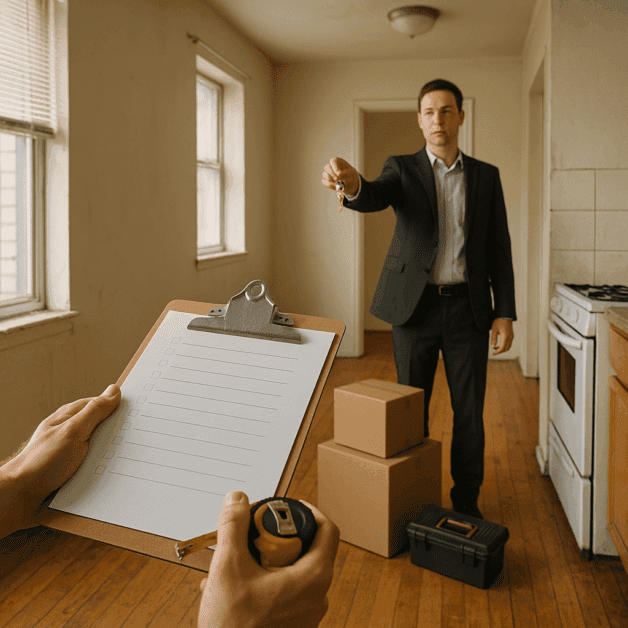
habitability

Exploring the essential concept of a tenant’s right to a livable environment, this category offers insights into the legal standards and obligations for maintaining habitable rental properties. Visitors will discover informative content on landlord responsibilities, tenant rights, and case studies illustrating legal disputes over uninhabitable living conditions. This resource serves as a comprehensive guide to understanding and navigating issues related to rental property conditions.

Bed bug on white fabric surface close-up

Bed Bugs – The One Notice That Triggers Your Legal Protections

In most states, your legal protections against bed bugs begin the moment you give your landlord written notice of an infestation. That single notice can trigger duties to inspect and treat, restrict retaliation, and preserve your right to seek rent relief or damages if the problem isn’t addressed. This article explains what counts as proper […]

Bed Bugs – The One Notice That Triggers Your Legal Protections Read More »

Tenant rights against mold and pest issues

Mold, Roaches, and Broken Heat – The Legal Playbook Tenants Don’t Know

In most states, landlords must provide habitable housing—including working heat, safe conditions, and pest control—under the implied warranty of habitability. If they don’t, tenants may be able to demand repairs in writing, withhold rent or repair-and-deduct (where allowed), or sue for damages and code enforcement. This article explains how to document issues, enforce your lease,

Mold, Roaches, and Broken Heat – The Legal Playbook Tenants Don’t Know Read More »

Rental lease agreement document with pen

What ‘As-Is’ Really Means When You Sign a Rental Lease

An “as-is” clause generally means you accept the unit’s current condition on move-in, but it does not waive the landlord’s legal duty to provide a safe, habitable home. Landlords typically must still fix code or habitability issues like heat, hot water, plumbing, pests, and major safety hazards. This article explains what “as-is” covers, what it

What ‘As-Is’ Really Means When You Sign a Rental Lease Read More »

Lease habitability checklist for renters 2026

The Habitability Checklist You Should Have Before Signing Any 2026 Lease

Before signing a 2026 lease, confirm 10 essentials: working heat, hot water, electricity, plumbing, weatherproofing, safe wiring, smoke/CO alarms, secure locks, pest-free conditions, and code compliance. These are core habitability standards most jurisdictions require and failing them can trigger repairs, rent withholding, or lease termination. This article provides a pre-signing checklist, inspection tips, and documentation

The Habitability Checklist You Should Have Before Signing Any 2026 Lease Read More »

Broken stove in a rental kitchen

If Your Stove Breaks in 2026, This New California Law Makes It the Landlord’s Problem

Starting in 2026, California landlords must repair or replace broken provided appliances— including stoves— as part of habitability. This shifts appliance failures from a tenant “maintenance” issue to a legal landlord duty tied to livable conditions. This article explains the new rule, what it covers, and steps renters can take if a landlord won’t comply.

If Your Stove Breaks in 2026, This New California Law Makes It the Landlord’s Problem Read More »

Know Your Rights Against Workplace Bias

Tenant Rights 101: Navigating Landlord-Tenant Laws

Tenants generally have 5 core rights: a habitable home, privacy, non-discrimination, due process in evictions, and return of deposits per state law. Exact notice periods, rent limits, and repair timelines vary by state and city, so local statutes control. This article explains key tenant protections, common landlord duties, and steps to enforce your rights. Understanding

Tenant Rights 101: Navigating Landlord-Tenant Laws Read More »

Scroll to Top