
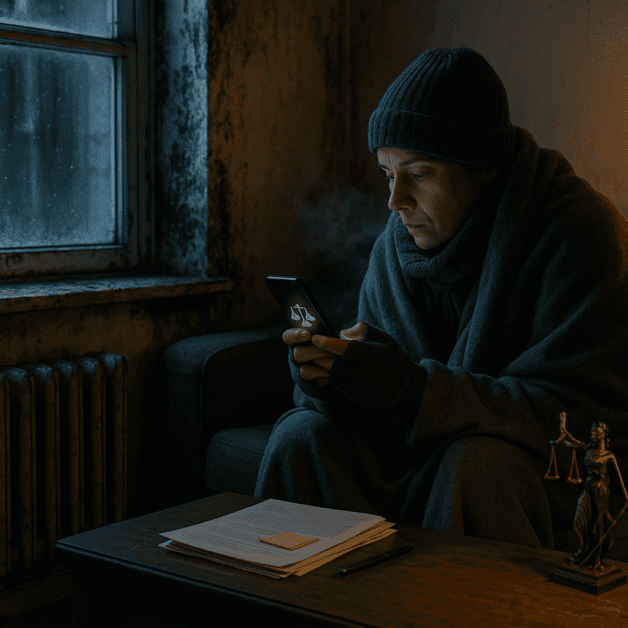
Mold, Roaches, and Broken Heat – The Legal Playbook Tenants Don’t Know
In most states, landlords must provide habitable housing—including working heat, safe conditions, and pest control—under the implied warranty of habitability. If they don’t, tenants may be able to demand repairs in writing, withhold rent or repair-and-deduct (where allowed), or sue for damages and code enforcement. This article explains how to document issues, enforce your lease, and choose the right legal remedy.
When Your Home Becomes Unlivable: What the Law Says
Most tenants have been there — waking up to a cold apartment in January, spotting black mold creeping along the bathroom wall, or finding roaches scattered across the kitchen floor. These aren’t just unpleasant surprises. They’re legal issues. And the surprising truth is that most tenants have far more power than they realize when their landlord refuses to act.
Understanding your rights around habitability issues, lease enforcement, and tenant remedies could save you money, protect your health, and keep a bad landlord accountable. This article walks you through what the law actually says — in plain language you can use.
What Does “Habitable” Actually Mean?
Every rental property in the United States is subject to what’s called the implied warranty of habitability. This is a legal requirement that exists in nearly every state, and it applies whether or not it’s written into your lease. Essentially, it means your landlord must keep your home in a condition that’s safe and livable for basic human needs.
Housing standards under this warranty typically require landlords to provide:
- Working heat, plumbing, and electricity
- Structurally sound walls, floors, and ceilings
- Protection from weather elements like rain and snow
- Freedom from pest infestations, including rodents, roaches, and bedbugs
- Safe and clean common areas
- Proper ventilation and the absence of dangerous mold growth
When any of these conditions fail, your landlord isn’t just being negligent — they may be breaking the law, regardless of what your lease says. Lease enforcement works both ways, and a landlord who signed a contract with you is expected to uphold their legal duties first.
The Three Most Common Habitability Issues Tenants Face
1. Mold: The Silent Health Risk
Mold is one of the most frequently reported habitability issues in rental properties, and it’s also one of the most misunderstood. Not all mold is immediately dangerous, but black mold — particularly the strain known as Stachybotrys chartarum — can cause serious respiratory problems, headaches, and long-term health effects, especially for children and elderly residents.
If you discover mold in your apartment or rental home, here’s what you should do right away:
- Document everything — take clear photos and videos with timestamps
- Notify your landlord in writing — emails and texts create a paper trail
- Keep copies of all responses — or note when there are none
- Check local health codes — many cities require landlords to address mold within a set number of days
If your landlord ignores the problem, you may have the right to withhold rent, hire a professional for remediation and deduct the cost, or break your lease without penalty. More on those tenant remedies shortly.
2. Pest Infestations: Roaches, Rodents, and More
A roach infestation isn’t just disgusting — it’s a clear violation of housing standards. Pests carry bacteria and disease, contaminate food, and can trigger severe allergic reactions in some people. Under most state laws, landlords are responsible for pest control when the infestation affects the whole building or existed before you moved in.
Things get more complicated when a landlord claims you caused the infestation. To protect yourself:
- Document the condition of the unit when you move in — photograph everything
- Report pest sightings immediately in writing, noting the date and location
- Don’t sign anything that shifts pest control responsibility to you without understanding what it means
- Talk to neighbors — if multiple units are affected, you have a stronger case
Many cities and counties also have local housing codes that go beyond state law when it comes to pest control obligations. A quick call to your local housing authority can clarify exactly what your landlord is required to do.
3. Broken or Absent Heat
Heat is not a luxury — it’s a legal requirement. Most states mandate that landlords maintain a minimum indoor temperature during cold months, typically between 68°F and 72°F during daytime hours. Some cities are even stricter. New York City, for example, requires heat of at least 68°F when outside temperatures fall below 55°F.
If your heat stops working in winter and your landlord doesn’t respond quickly, this is considered an emergency repair in most jurisdictions. That means:
- Landlords are often required to respond within 24 hours
- Tenants may be permitted to arrange repairs themselves and deduct the cost from rent
- Continued failure to provide heat can constitute constructive eviction — meaning you can legally leave the unit and end the lease
Tenant Remedies: Your Legal Options When a Landlord Won’t Act
Knowing the problem exists is one thing. Knowing what you can actually do about it is another. Here are the most common tenant remedies available under the law — though the specifics depend on your state and local regulations.
Rent Withholding
In many states, tenants are allowed to withhold rent when a landlord has failed to maintain habitable conditions after receiving proper written notice. However, this is a legal tool with strict rules. Withholding rent incorrectly can get you evicted, so before taking this step:
- Confirm that your state allows rent withholding for habitability violations
- Make sure you’ve given your landlord written notice and reasonable time to fix the issue
- Consider placing withheld rent in a separate escrow account to show good faith
- Consult with a tenant’s rights attorney or housing advocate before proceeding
Repair and Deduct
Some states allow tenants to hire a repair professional themselves and then deduct the cost from their monthly rent. This option typically applies to urgent repairs — like broken heating systems — and usually comes with a dollar cap, such as one month’s rent. Again, proper written notice to the landlord before taking action is required in almost every state that allows this remedy.
Lease Termination
If conditions are bad enough and your landlord still won’t act, you may be able to break your lease legally without financial penalty. This is especially relevant in cases of constructive eviction — when the conditions are so severe that the home is essentially uninhabitable. Courts have sided with tenants in these cases involving extreme mold, loss of heat in winter, and serious infestations.
Filing a Complaint with Local Authorities
Every city and county has a housing authority, building inspector, or code enforcement office. Filing a formal complaint triggers an official inspection, and if violations are found, the landlord is legally required to correct them. This creates a documented record that strengthens any future legal action.
Suing in Small Claims Court
If you’ve suffered real financial harm — hotel stays due to uninhabitable conditions, medical bills from mold exposure, or damaged property from pest infestations — small claims court can be an accessible option. Many tenants handle these cases without a lawyer, and filing fees are low. Courts can order landlords to compensate you for damages, return overpaid rent, or reduce future rent.
The Importance of Documentation: Your Strongest Weapon
Every successful tenant case, whether it’s a housing complaint or a courtroom battle, comes down to documentation. If you don’t have proof, it becomes a he-said-she-said situation that rarely goes in the tenant’s favor.
Build your case by keeping a simple paper trail:
- Photos and videos: Date-stamped images of mold, pests, broken fixtures, or temperature readings
- Written communication: Always follow up verbal complaints with a written message — text, email, or a formal letter sent via certified mail
- Maintenance request records: Keep copies of anything submitted through property management portals
- Witnesses: Neighbors, guests, or even pest control professionals who can confirm the conditions
- Medical records: If you or a family member has experienced health effects linked to the conditions, document this carefully
The more organized your documentation, the better your position — whether you’re negotiating directly with your landlord or presenting your case to a judge.
What Landlords Cannot Do When You Complain
One of the most important things to understand is that the law protects tenants from retaliation. If you report a habitability issue to your landlord or to local authorities, your landlord cannot legally:
- Raise your rent in response to your complaint
- Attempt to evict you in retaliation
- Reduce services, like cutting off utilities or access to amenities
- Harass or intimidate you into dropping the complaint
Most states have anti-retaliation laws that presume the landlord acted in retaliation if they take adverse action within a certain time period — often 60 to 90 days — after you filed a complaint. Keep thorough records of any suspicious changes in your landlord’s behavior after you speak up.
Know the Rules in Your State and City
While the basics of habitability law apply nationwide, the details can vary significantly. Some states have robust tenant protection laws with specific timelines, penalties for landlords, and additional remedies. Others offer minimal protections beyond the bare minimum.
Here’s what you should look up for your specific location:
- Your state’s landlord-tenant act or residential tenancy act
- Local housing codes and ordinances in your city or county
- Whether your state has a tenant rights handbook — many do, and they’re free
- Whether your city has a tenant’s rights organization or legal aid clinic
Tenant rights organizations exist in most major cities and offer free or low-cost legal advice. A short consultation can tell you exactly where you stand before you take any action.
Final Thoughts: You Have More Power Than You Think
Living with mold, pests, or broken heat shouldn’t be something you just endure because you’re afraid of your landlord or worried about your lease. The law exists to protect you, and it includes real tools — rent withholding, lease termination, small claims court, code enforcement — that tenants can use when landlords ignore their responsibilities.
The key is understanding what your rights are, documenting everything, and following the proper steps before taking action. Rushing into rent withholding or confrontations without following legal procedures can backfire. But a well-documented case, with proper written notice and a clear record of a landlord’s failure to act, puts the law firmly on your side.
You don’t need to be a lawyer to protect yourself. You just need to know the playbook — and now you do.














