
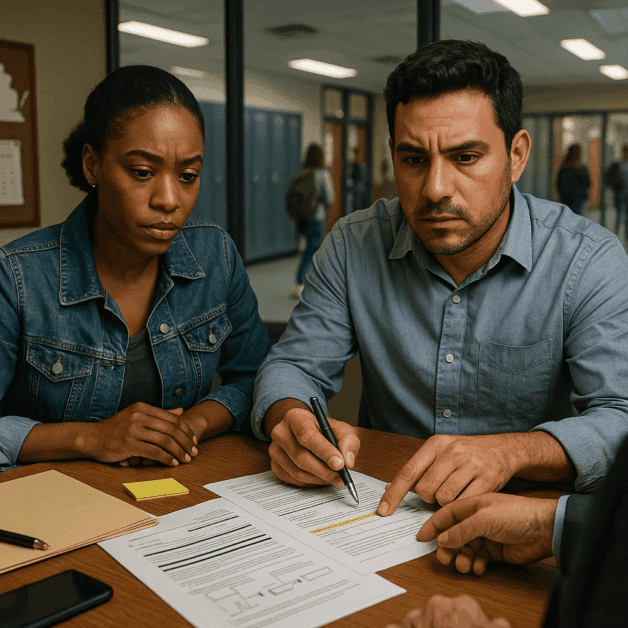
The Youngkin Law – Who It Applies To, Who It Misses, and What Parents Must Do Now
Virginia’s Youngkin Law requires public schools to give parents notice and set age-appropriate procedures for certain instructional content. It strengthens parent access and opt-out/consent pathways but doesn’t automatically govern private schools or all extracurricular materials. This article explains who the law applies to, key gaps, and the steps parents should take now.
What Is the Youngkin Law?
Virginia Governor Glenn Youngkin signed a law that changed how public schools handle certain content and how they communicate with parents. The law focuses on making sure parents stay informed about what their children are being exposed to in school. It also sets rules around age-appropriate content and gives parents more say in what their kids see and learn during school hours.
This law has sparked a lot of conversation among parents, teachers, and school administrators across the state. Some people support it strongly, while others have raised questions about how it works in practice. Either way, understanding the basics of what this Virginia law actually says is the first step every parent should take.
Who the Law Actually Covers
The Youngkin law applies to all Virginia public schools. This includes elementary, middle, and high schools that receive state funding. The rules cover how schools must handle instructional materials, library books, and other content that students can access during the school day.
Here is a breakdown of who falls under this law:
- Public school students in grades K through 12 – All students in state-funded public schools are covered, regardless of where they live in Virginia.
- Teachers and school staff – Educators must follow the new guidelines when selecting or presenting materials to students.
- School administrators and principals – School leaders are responsible for making sure their buildings follow the rules.
- School librarians – Those who manage school library collections must review materials to make sure they meet the age-appropriate content standards set by the law.
If your child attends a Virginia public school, this law directly affects their school environment. The policies your child’s school puts in place must now line up with what this law requires.
Who the Law Does Not Cover
It is just as important to know who this law does not apply to. There are several groups of students and schools that fall outside its reach, and many parents are not aware of these gaps.
- Private school students – Private schools in Virginia are not required to follow this law. They set their own content policies and have no obligation to notify parents in the way public schools now must.
- Homeschooled children – Families who homeschool their children operate independently and are not affected by this law’s requirements.
- Charter schools with independent status – Depending on their setup and funding, some charter schools may operate under different rules.
- College and university students – This law only applies to K-12 education. Higher education institutions are not included.
If your child is in a private school or is homeschooled, the parental notification rules and content review standards in this law do not apply to their education. You would need to speak directly with your child’s school or review your curriculum choices on your own.
What the Law Says About Age-Appropriate Content
One of the main points of this Virginia law is the idea of age-appropriate content. The law requires schools to make sure that materials given to students match what is suitable for their age and grade level. This includes books, reading assignments, videos, and any other instructional resources.
Schools must now review their existing materials and flag anything that may not be appropriate for the age group it is being used with. If a book or resource contains content that is considered mature or explicit, schools are required to take steps to either remove it from general access or restrict it to older students only.
The law does not give a specific list of what counts as inappropriate. Instead, it puts the responsibility on school boards and administrators to make those judgment calls based on community standards and general guidelines about what is suitable for different age groups.
Parental Notification – What Schools Must Tell You
The parental notification piece of this law is one of its biggest features. Under the Youngkin law, Virginia public schools are required to let parents know about certain materials and content before students are exposed to them. This is especially true for anything that might be considered sensitive or mature.
Here is what schools are generally required to do under the notification rules:
- Inform parents when their child will be given access to materials that contain mature themes or content.
- Provide parents with the ability to review those materials before they are used in class.
- Allow parents to opt their child out of certain content without academic penalty.
- Make their policies on content review and notification publicly available.
This means parents now have a legal right to be in the loop before their child reads or watches something that the school considers potentially sensitive. You should not have to find out after the fact that your child was exposed to content you were not told about.
How the Opt-Out Process Works
If a parent does not want their child to engage with a specific piece of material, the law allows them to opt out. The school cannot punish the student academically for sitting out that particular content. In most cases, the school is expected to provide an alternative assignment or activity.
To use the opt-out option, parents typically need to:
- Submit a written request to the teacher or school administrator.
- Specify which material or content they are requesting their child be excluded from.
- Do so within a reasonable timeframe before the content is presented.
Each school may have its own specific process for handling these requests, so it is worth contacting your child’s school directly to find out exactly how they handle it.
What Parents Must Do Right Now
Knowing the law exists is one thing. Taking action based on it is another. There are several steps parents in Virginia should take to make the most of the rights this law gives them.
1. Contact Your Child’s School
Reach out to your child’s teacher, principal, or school board representative and ask them to explain what policies they have put in place to follow this law. Ask for a copy of their content review process and notification procedures.
2. Review the School’s Material List
Many schools are now required to make their reading lists and instructional materials available to parents. Take the time to look through what your child is being taught and flag anything you want to discuss or learn more about.
3. Stay Active in School Board Meetings
School boards play a big role in how this law is put into practice. Attending meetings or following their decisions online is one of the best ways to stay informed and have your voice heard when big content decisions are being made.
4. Know How to File a Complaint
If you believe a school is not following the law, you have the right to raise a concern. You can contact the Virginia Department of Education or speak with your school board representative. Keeping records of any materials your child brings home can help support your case if you ever need to take that step.
5. Talk to Your Child
Open conversations at home about what your child is learning in school go a long way. Ask them regularly what they are reading and studying. This helps you catch anything that concerns you early and gives you a chance to provide context or guidance from your own perspective.
Common Questions Parents Are Asking
Does the law cover digital content and school apps?
This is still an area where many schools are working out the details. The law’s focus on age-appropriate content does extend to digital materials, but how schools monitor and report on apps and online platforms varies. Ask your child’s school specifically how they handle digital content under the new rules.
What if my school says they are already following the law?
That may be true, but it is still worth asking for specifics. Ask them to show you their written policy, explain how they notify parents, and walk you through the opt-out process. A school that is genuinely compliant should have clear answers to all of these questions.
Can the law change over time?
Yes. Laws can be updated, amended, or challenged in court. Staying informed through trusted local news sources and the Virginia Department of Education’s official website will help you keep up with any changes that may affect your rights under this law.
The Bottom Line for Virginia Parents
The Youngkin law gives Virginia public school parents real tools to stay involved in their child’s education and to push back on content they find concerning. But those tools only work if parents know they exist and take the steps to use them.
Whether you agree with every part of this law or not, understanding it puts you in a stronger position to advocate for your child. Start by reaching out to your school, reviewing available materials, and staying connected to what is happening in your school district. The more informed you are, the better equipped you will be to make the best decisions for your family.














