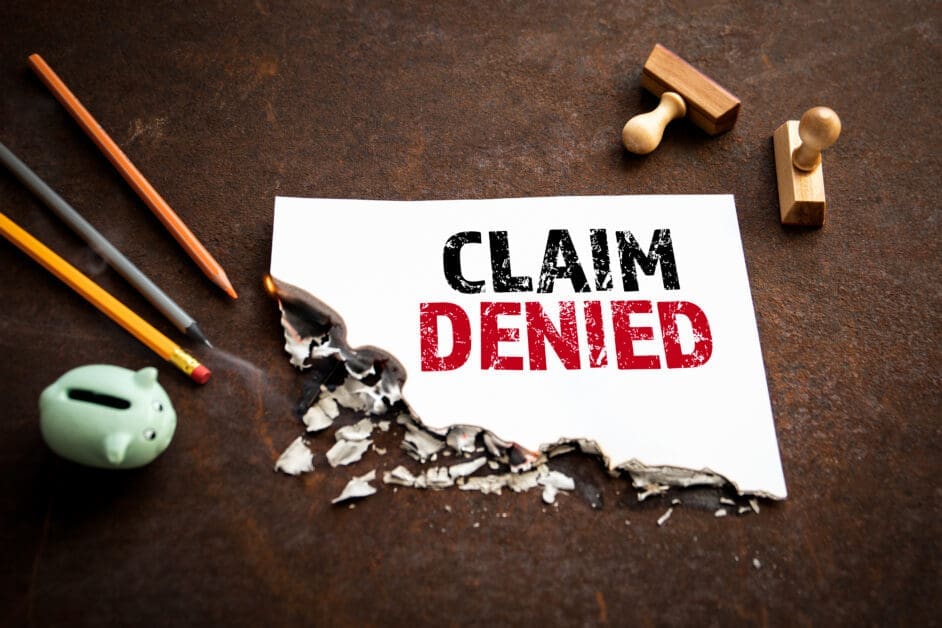
insurance bad faith

Explore comprehensive resources about the wrongful actions of insurance companies in denying claims, where you’ll find video interviews with experienced attorneys and in-depth articles explaining the nuances of policyholder rights. This section covers legal definitions, case studies, and insights into how the law protects consumers against unfair insurance practices. Engage with expert content designed to enhance your understanding of legal recourse in disputes over insurance claims.

Insurance bad faith claim document with gavel

What is insurance bad faith?

Insurance bad faith is when an insurer unreasonably delays, denies, or underpays a valid claim, or fails to properly investigate and communicate. It can include missing legal deadlines, ignoring evidence, misrepresenting policy terms, or using unfair tactics to pressure a low settlement. This article explains common bad-faith behaviors, how to recognize warning signs, what evidence […]

What is insurance bad faith? Read More »

Why Your Fire Damage Insurance Claim Could Be Denied and What You Can Do About It

Why Fire Damage Insurance Claims Get Denied More Often Than Homeowners Expect

Fire damage insurance claims are denied more often than homeowners expect—roughly 1 in 3 claimants report significant disputes or denial. Insurers commonly cite exclusions (vacancy, intentional acts), delayed reporting, incomplete inventories, or contested cause-and-origin findings. This article explains the most frequent denial reasons and how to strengthen a fire loss claim. For most homeowners, a

Why Fire Damage Insurance Claims Get Denied More Often Than Homeowners Expect Read More »

Injured? Learn How to Handle Insurance Adjusters and Protect Your Claim Value

How Attorneys Can Stay Compliant: Top Consent Management Tools for Legal Sites

Over 36% of organizations report rising data privacy and cybersecurity disputes, making consent management tools essential for law firm websites. These platforms capture and document cookie and form consent to help meet GDPR/CCPA expectations and reduce risk. This article reviews top consent management tools and how attorneys can implement them compliantly. Modern law firms rely

How Attorneys Can Stay Compliant: Top Consent Management Tools for Legal Sites Read More »

Injured? Learn How to Handle Insurance Adjusters and Protect Your Claim Value

How to Handle Insurance Adjusters in Personal Injury Claims

In the first 24–48 hours after a crash, limit contact with the insurance adjuster to basic facts and refuse recorded statements or blanket medical authorizations. Adjusters work to reduce payouts, so keep communications brief and document everything before discussing injuries, fault, or settlement numbers. This article explains what to say, what to avoid, and when

How to Handle Insurance Adjusters in Personal Injury Claims Read More »

Accident Victim? Master Insurance Negotiation to Maximize Your Settlement

How to Handle Insurance Companies After an Accident

Contact your insurer within 24 hours and avoid giving a recorded statement to the other driver’s adjuster without counsel. Keep all medical records, photos, and repair estimates to support your claim and prevent lowball offers. This article covers reporting, documentation, adjuster communications, settlements, and when to hire a Florida personal injury lawyer. If you’ve been

How to Handle Insurance Companies After an Accident Read More »

Scroll to Top