judicial efficiency

Explore articles and interviews analyzing how court systems streamline case management and decision-making processes to improve legal system effectiveness. Visitors can find resources discussing reforms, best practices, and innovative technologies aimed at reducing court delays and enhancing procedural efficiency. Gain insights from legal experts on maintaining balance between speed and justice in U.S. courts.

Strategizing in the Courtroom to Prevent Case Dismissal

How to Avoid Losing Your Case for Inactivity and Dismissal

A court can dismiss a lawsuit for want of prosecution when the plaintiff fails to take required action for an extended period or misses procedural deadlines. Keeping the case active through timely filings, hearings, discovery responses, and status updates typically prevents dismissal. This article explains common triggers, practical prevention steps, and what to do if […]

How to Avoid Losing Your Case for Inactivity and Dismissal Read More »
Legal Term Spotlight: Understanding 'Dismissed With Prejudice

When Does a Dismissal With Prejudice End a Lawsuit?

A dismissal with prejudice ends the lawsuit immediately and permanently—meaning the same claim cannot be refiled in that court. It typically acts as a final judgment and may be appealed, but only rarely can it be reopened (e.g., fraud or lack of jurisdiction). This article explains what it means, when it applies, and the limited

When Does a Dismissal With Prejudice End a Lawsuit? Read More »

Court Decisions Conclude with Res Judicata

Res Judicata in Criminal Law: Finality of Court Decisions

In U.S. criminal law, res judicata generally bars re-litigating issues once a final judgment is entered, meaning the same case can’t be tried again on the same merits. It supports judicial finality and works alongside the Fifth Amendment’s double jeopardy rule. This article explains how the doctrine applies, key exceptions, and its relationship to collateral

Res Judicata in Criminal Law: Finality of Court Decisions Read More »

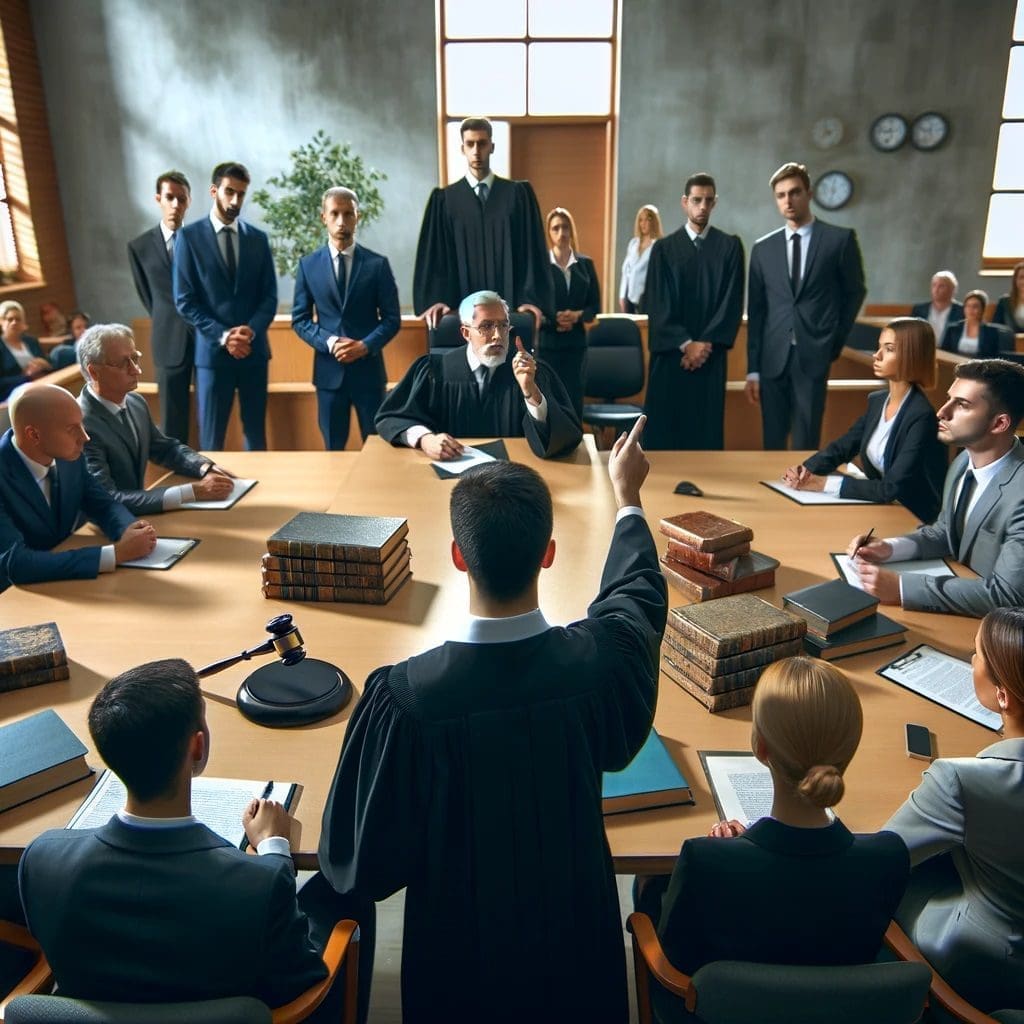
Courtroom Reaction to Adjournment Decision by Judge

Deciphering Court Adjournments: Understanding Their Role and Impact in Legal Proceedings

A court adjournment temporarily pauses proceedings and reschedules the matter to a future date set by the judge. Courts commonly adjourn to allow more preparation, secure witnesses, handle emergencies, or manage crowded dockets. This article explains the reasons, legal standards, and practical effects of adjournments on case strategy and timelines. In the world of law,

Deciphering Court Adjournments: Understanding Their Role and Impact in Legal Proceedings Read More »

Scroll to Top