
police rights

Explore a comprehensive collection of resources and expert interviews addressing the legal boundaries and authorities granted to law enforcement officers. Visitors will find detailed discussions on topics such as search and seizure laws, Miranda rights, and the scope of police conduct. This section serves as an essential guide for understanding law enforcement rights and responsibilities within the U.S. legal framework.

Judge reviewing legal documents at desk

What is probable cause?

Probable cause is the reasonable belief—based on specific facts and circumstances—that a crime was committed or evidence of a crime will be found. It’s the constitutional standard police generally must meet to make an arrest, conduct a search, or obtain a warrant under the Fourth Amendment. This article explains how probable cause is defined, how

What is probable cause? Read More »
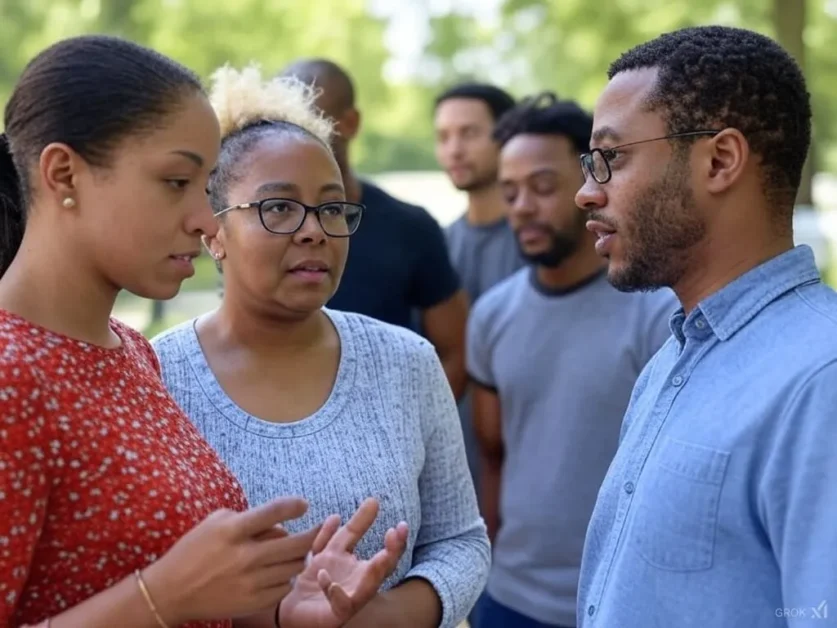
Your Rights Guide for Police Stops and Actions

Know Your Rights: What to Do If You’re Stopped by Police

If you’re stopped by police, you generally have the right to remain silent, ask if you’re free to leave, and refuse a search unless officers have a warrant or legal justification. Knowing what to say—and what not to say—can protect you from self-incrimination and unnecessary escalation. This article explains your key rights during pedestrian stops

Know Your Rights: What to Do If You’re Stopped by Police Read More »

Scroll to Top