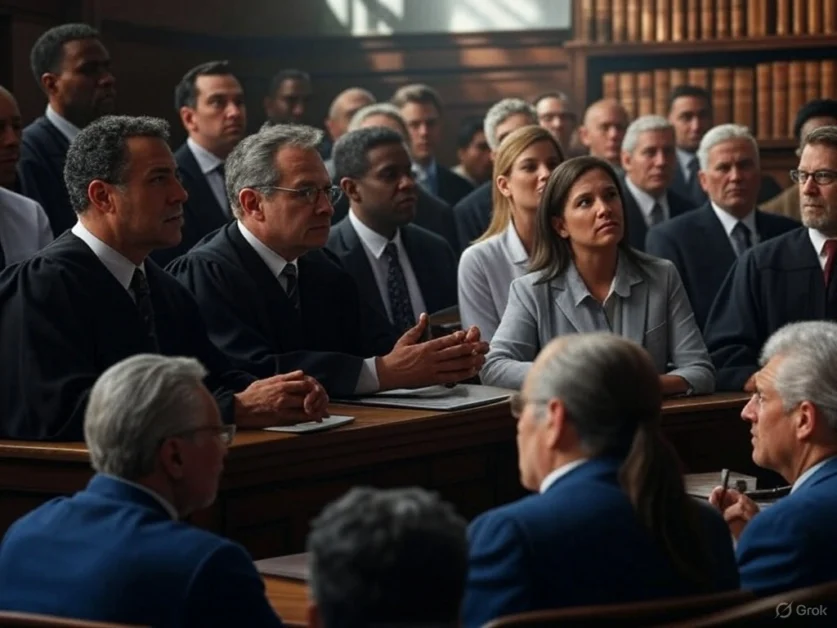
procedural fairness

Explore content that delves into the principles ensuring fair treatment within legal processes, a cornerstone of justice in both civil and criminal law. Visitors will find video interviews with attorneys discussing court procedures, articles analyzing judicial fairness, and resources on how these concepts impact legal outcomes. This tag is essential for understanding how procedural justice upholds the rights of individuals in the legal system.

How Expedited Removal Affects Due Process Worldwide Perspectives

The Impact of Expedited Removal on Due Process Rights

Expedited removal lets DHS deport certain non-citizens without an immigration judge hearing, with review largely limited to credible-fear screening and narrow habeas claims. That streamlined process can sharply curtail notice, counsel access, and meaningful appeal compared to standard removal proceedings. This article explains who can be placed in expedited removal, what due process protections remain, […]

The Impact of Expedited Removal on Due Process Rights Read More »

How Tech Impacts Due Process Standards Worldwide Perspectives

How Technology is Changing Due Process Requirements

Technology is changing due process requirements by expanding what courts must review, including digital evidence, AI risk scores, and algorithmic decisions in 50 U.S. jurisdictions. These tools raise new fairness issues around notice, transparency, accuracy, bias, and the ability to challenge government action. This article explains the constitutional impacts and emerging standards for tech-driven procedures.

How Technology is Changing Due Process Requirements Read More »

Procedural and Substantive Due Process Explained in Legal Setting

Understanding the Two Types of Due Process: Procedural vs. Substantive

Procedural due process requires fair procedures—like notice and a hearing—before the government deprives you of life, liberty, or property, while substantive due process limits what the government may take away regardless of procedure. Both stem from the Fifth and Fourteenth Amendments and shape how courts evaluate laws and government actions. This article explains the key

Understanding the Two Types of Due Process: Procedural vs. Substantive Read More »

Development of Due Process in U.S. Legal System Dynamic Courtroom

The Historical Evolution of Due Process in American Jurisprudence

Due process in the United States is rooted in Magna Carta (1215) and is guaranteed by the Fifth and Fourteenth Amendments. Over time, American courts expanded it from basic procedural safeguards into both “procedural” and “substantive” protections against unfair government action. This article traces due process from its English origins through Reconstruction and key Supreme

The Historical Evolution of Due Process in American Jurisprudence Read More »

New Rules in Civil Procedure Alter Results

How are changes in civil procedure affecting case outcomes?

Recent FRCP amendments—most notably the 2015 proportionality changes to Rule 26 and the narrowed spoliation sanctions in Rule 37(e)—are measurably shifting outcomes by reducing discovery costs and limiting sanctions leverage. Courts are enforcing earlier case management and targeted ESI discovery, which can speed settlements or increase dismissal pressure. This article explains the key rule changes

How are changes in civil procedure affecting case outcomes? Read More »

Judge's Arbitrary Decision Criteria

What factors do judges consider when assessing arbitrary and capricious decisions?

Judges assess whether an agency’s decision was “arbitrary and capricious” by asking if it reasonably explained its action and connected the facts in the record to its conclusion. Under the APA, a court will set aside action that lacks a rational basis, ignores important aspects of the problem, or conflicts with the evidence before the

What factors do judges consider when assessing arbitrary and capricious decisions? Read More »

Scroll to Top