spoliation letter

How to Prove Liability in a Crash Involving Tesla Autopilot or Full Self-Driving (FSD) in California

How to Prove Liability in a Crash Involving Tesla Autopilot or Full Self-Driving (FSD) in California

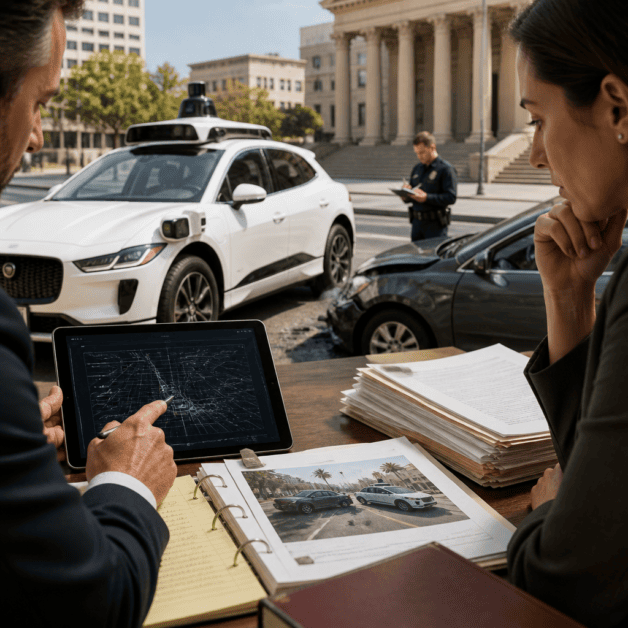
Proving liability in a Tesla Autopilot or Full Self-Driving (FSD) crash in California typically requires evidence of (1) who had control, (2) what the system did, and (3) whether a defect, misrepresentation, or negligent driving caused the collision. Because these cases blend driver negligence, product liability, and digital evidence, early preservation is critical. This article […]
How to Prove Liability in a Crash Involving Tesla Autopilot or Full Self-Driving (FSD) in California Read More »

How to Prove a Defective Airbag Caused Your Crash Injuries in Phoenix, Arizona

How to Prove a Defective Airbag Caused Your Crash Injuries in Phoenix, Arizona

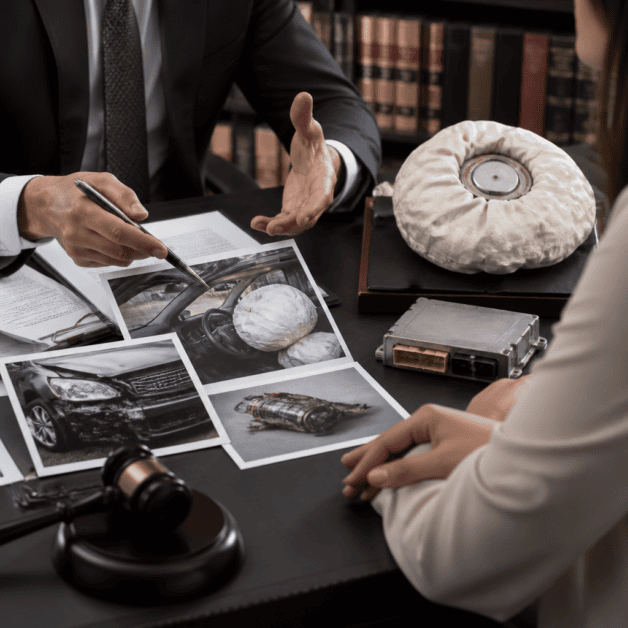
In Phoenix, you can prove a defective airbag caused your crash injuries by preserving the vehicle and airbag components, documenting your injuries, and using expert analysis to link the defect to your harm. Arizona product-liability cases often turn on early evidence control and clear causation. This guide explains the key proof, timelines, and local steps

How to Prove a Defective Airbag Caused Your Crash Injuries in Phoenix, Arizona Read More »

How to Prove a Defective Airbag Caused Injuries in a Los Angeles Car Accident Lawsuit

How to Prove a Defective Airbag Caused Injuries in a Los Angeles Car Accident Lawsuit

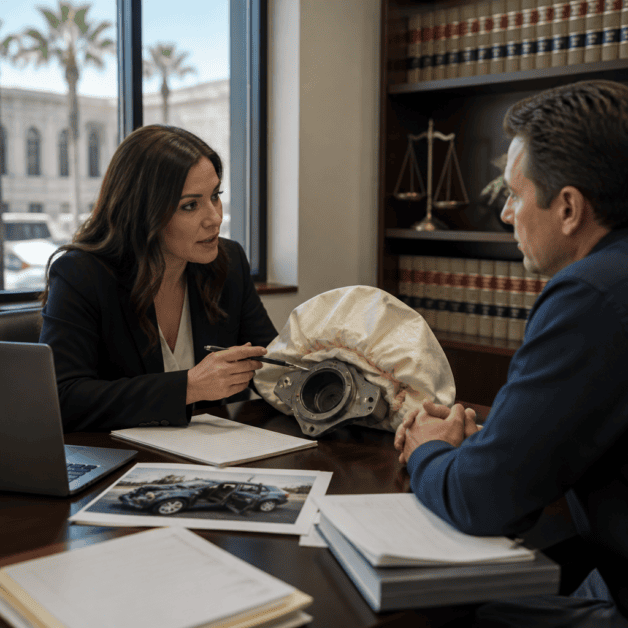
Airbag-related crashes kill or seriously injure thousands of Americans each year, and in Los Angeles a defective airbag can create liability beyond the at-fault driver. California law allows injured drivers and passengers to pursue both negligence and product-liability claims when an airbag fails to deploy, deploys late, or deploys violently. This article explains the evidence,

How to Prove a Defective Airbag Caused Injuries in a Los Angeles Car Accident Lawsuit Read More »

How to Prove Liability After a Waymo Robotaxi Collision in Phoenix: Insurance, Data Logs, and Arizona Negligence Rules

How to Prove Liability After a Waymo Robotaxi Collision in Phoenix: Insurance, Data Logs, and Arizona Negligence Rules

Arizona generally allows injured Phoenix crash victims 2 years to file a negligence lawsuit, including claims involving autonomous vehicles. Waymo robotaxis operate in metro Phoenix, and collisions raise unique questions about driverlessness, corporate responsibility, and high-tech evidence. This article explains how to prove liability using insurance layers, vehicle data logs, and Arizona negligence rules. Proving

How to Prove Liability After a Waymo Robotaxi Collision in Phoenix: Insurance, Data Logs, and Arizona Negligence Rules Read More »

How to Prove a Defective Airbag Caused Your Injuries After a Car Accident in California

How to Prove a Defective Airbag Caused Your Injuries After a Car Accident in California

Proving a defective airbag caused your injuries in California typically requires 3 pillars of evidence: crash data (EDR/ACM), medical causation proof, and product-defect documentation. Because airbags are regulated safety devices, a failure to deploy, improper deployment, or shrapnel/chemical release can create unique, traceable injury patterns. This article explains the evidence, experts, timelines, and California legal

How to Prove a Defective Airbag Caused Your Injuries After a Car Accident in California Read More »

How to Prove Fault in a Level 3 Autonomous Vehicle Rear-End Crash in California (2026)

How to Prove Fault in a Level 3 Autonomous Vehicle Rear-End Crash in California (2026)

California rear-end collisions create a rebuttable presumption of fault against the trailing driver—even when a Level 3 automated driving system (ADS) is engaged. In 2026, proving fault usually turns on who had “control” at the moment of impact, what the ADS did, and whether warnings were timely and followed. This article explains the evidence, statutes,

How to Prove Fault in a Level 3 Autonomous Vehicle Rear-End Crash in California (2026) Read More »

How to Prove a Defective Blind-Spot Monitoring System Caused Your Lane-Change Crash in California

How to Prove a Defective Blind-Spot Monitoring System Caused Your Lane-Change Crash in California

[In California, proving a defective blind-spot monitoring (BSM) system caused your lane-change crash usually requires an event data recorder (EDR) download plus expert analysis linking the warning failure to the collision. These cases hinge on preserving the vehicle and digital evidence before repairs or salvage erase key data. This article explains the legal theories, evidence

How to Prove a Defective Blind-Spot Monitoring System Caused Your Lane-Change Crash in California Read More »

How to Maximize Your Truck Accident Settlement in Phoenix After an I-10 Rear-End Collision

How to Maximize Your Truck Accident Settlement in Phoenix After an I-10 Rear-End Collision

[In Arizona, most personal injury claims—including I-10 truck rear-end crashes in Phoenix—must be filed within 2 years under A.R.S. § 12-542. Rear-end collisions with commercial trucks often involve layered insurance, federal trucking rules, and multiple liable parties. This article explains the fastest, most effective ways to build evidence, prove liability, and maximize settlement value after

How to Maximize Your Truck Accident Settlement in Phoenix After an I-10 Rear-End Collision Read More »

How to Prove a Trucking Company Altered ELD Logs After a Fatal Crash in Texas Explained

How to Prove a Trucking Company Altered ELD Logs After a Fatal Crash in Texas Explained

In Texas fatal truck-crash cases, altered ELD records are often proven through a “digital paper trail” that can show edits down to the minute—especially when you obtain the ELD output file, audit trails, and backend logs quickly. Because federal ELD rules require tamper-resistant records and documented edits, post-crash manipulation frequently leaves detectable artifacts. This article

How to Prove a Trucking Company Altered ELD Logs After a Fatal Crash in Texas Explained Read More »

How to Prove Battery After a Bar Fight in Miami, Florida: Evidence, Witnesses, and Surveillance Footage

How to Prove Battery After a Bar Fight in Miami, Florida: Evidence, Witnesses, and Surveillance Footage

Battery in Florida is an intentional, unwanted touching or striking, and proving it after a Miami bar fight often comes down to video, witnesses, and medical records. Because crowded nightlife venues create conflicting stories, early evidence preservation is critical. This article explains how attorneys build proof of battery in Miami-Dade—from surveillance footage and 911 calls

How to Prove Battery After a Bar Fight in Miami, Florida: Evidence, Witnesses, and Surveillance Footage Read More »

Scroll to Top