The Global Drug Trafficking Crisis: Facts and Impact
Understanding Drug Trafficking: Definition, Scope, and Common Substances
Drug trafficking is the illegal trade and distribution of controlled substances across local, national, and international borders. This criminal activity involves the manufacturing, transportation, and sale of drugs that governments have banned or heavily regulated due to their potential for abuse and harm to public health.
The scope of drug trafficking extends far beyond street-level dealers. It encompasses complex networks of producers, smugglers, distributors, and sellers who operate sophisticated operations worth billions of dollars annually. Those involved in drug trafficking face severe drug trafficking penalties under federal and state laws, making it essential to understand the legal implications of these activities.
Common Substances in Drug Trafficking
The most frequently trafficked drugs include:
- Cocaine – A powerful stimulant derived from coca plants, primarily produced in South America
- Heroin – An opioid processed from morphine, often originating from poppy fields in Asia and Latin America
- Methamphetamine – A synthetic stimulant manufactured in illegal laboratories worldwide
- Marijuana – Despite legalization in some areas, cannabis remains widely trafficked where prohibited
- Synthetic drugs – Including fentanyl and designer drugs that pose extreme health risks
Current drug trafficking laws classify these substances based on their medical use and potential for abuse. Drug trafficking charges vary depending on the type and quantity of drugs involved, with mandatory minimum sentences often applied to serious offenses.
Understanding the definition and scope of drug trafficking helps communities, law enforcement, and policymakers address this global crisis effectively. Those facing accusations should immediately consult a qualified drug trafficking attorney to navigate the complex legal system and understand their rights.
Understanding Drug Trafficking: Definition, Scope, and Common Substances
Drug trafficking represents one of the most serious criminal activities worldwide, involving the illegal cultivation, manufacture, distribution, and sale of substances subject to drug prohibition laws. This global crisis affects every nation and community, creating devastating social, economic, and health consequences.
What is Drug Trafficking?
Drug trafficking involves the transportation and distribution of illegal drugs across local, national, or international borders. Unlike simple drug possession, trafficking charges typically involve larger quantities of controlled substances intended for distribution. The severity of drug trafficking charges depends on several factors, including the type and amount of drugs, the geographic area of distribution, and whether minors were involved.
Scope and Scale
The global drug trade generates an estimated $400-500 billion annually, making it one of the world’s largest illegal industries. Drug trafficking laws vary significantly between countries, but most nations impose severe drug trafficking penalties including lengthy prison sentences, substantial fines, and permanent criminal records. Those facing such charges often require an experienced drug trafficking attorney to navigate complex legal proceedings.
Common Trafficked Substances
- Cocaine: Primarily produced in South America and trafficked globally
- Heroin: Manufactured from opium poppies grown in Asia and Latin America
- Methamphetamine: Synthetic drug produced in illegal laboratories worldwide
- Cannabis: Despite legalization in some regions, remains widely trafficked
- Synthetic opioids: Including fentanyl, increasingly common due to high potency
Understanding these substances and their trafficking patterns helps law enforcement agencies develop strategies to combat this crisis while highlighting the need for comprehensive drug trafficking laws and international cooperation.
The Legal Landscape: Drug Trafficking Laws and Penalties Worldwide
Drug trafficking laws vary significantly across different countries, but most nations treat this crime with extreme severity. Understanding these legal frameworks is essential for grasping the global response to drug trafficking.
In the United States, drug trafficking charges are prosecuted under federal law, with penalties determined by the type and quantity of drugs involved. First-time offenders can face anywhere from five years to life in prison, depending on the substance. For example, trafficking 500 grams of cocaine carries a minimum sentence of five years, while larger quantities can result in 40 years or more.
Many countries impose even harsher drug trafficking penalties. In Southeast Asia, nations like Singapore and Malaysia maintain mandatory death sentences for certain drug trafficking offenses. China executes more people for drug crimes than any other country, while Middle Eastern nations also impose capital punishment for serious drug trafficking cases.
European countries generally focus on rehabilitation over punishment, though drug trafficking laws still carry substantial prison terms. The United Kingdom imposes sentences up to life imprisonment for Class A drug trafficking, while other European Union members typically cap sentences at 20-30 years.
Given these severe consequences, anyone facing drug trafficking accusations needs qualified legal representation. A drug trafficking attorney specializes in navigating complex international and domestic laws, potentially reducing charges or sentences through plea agreements or challenging evidence collection methods.
The global variation in drug trafficking penalties reflects different cultural attitudes toward drugs and crime. However, the universal severity of these laws demonstrates the international community’s recognition of drug trafficking as a serious threat requiring strong legal deterrents.
Understanding Drug Trafficking: Definition, Scope, and Common Substances
Drug trafficking is the illegal trade of controlled substances across local, national, or international borders. This criminal activity involves the manufacture, distribution, and sale of drugs prohibited by law. Understanding drug trafficking requires recognizing its vast scope and the serious legal consequences involved.
The global drug trade affects every continent and generates billions of dollars annually for criminal organizations. Those involved in drug trafficking face severe drug trafficking penalties that vary by country and the type and amount of substances involved. In many nations, drug trafficking charges can result in lengthy prison sentences, hefty fines, and permanent criminal records.
Common Substances in Drug Trafficking
The most frequently trafficked drugs include:
- Cocaine – Primarily produced in South America and distributed worldwide
- Heroin – Often originating from Afghanistan, Mexico, and Southeast Asia
- Methamphetamine – Manufactured in illegal labs across various regions
- Cannabis – Despite legalization in some areas, remains widely trafficked
- Synthetic drugs – Including fentanyl and other designer substances
Drug trafficking laws are complex and often involve multiple jurisdictions. Federal, state, and international laws work together to combat this crisis. Law enforcement agencies collaborate globally to disrupt trafficking networks and arrest those responsible.
If you face drug-related charges, consulting a qualified drug trafficking attorney is crucial. These legal professionals understand the intricate laws surrounding drug crimes and can provide essential guidance through the legal process. The severity of penalties makes professional legal representation vital for anyone accused of trafficking offenses.
Understanding Drug Trafficking: Definition, Scope, and Common Substances
Drug trafficking represents one of the most serious criminal activities worldwide, involving the illegal production, distribution, and sale of controlled substances. This global crisis affects millions of lives and poses significant challenges to law enforcement agencies across nations.
What is Drug Trafficking?
Drug trafficking refers to the manufacturing, transporting, distributing, or selling of illegal drugs. Unlike simple possession, drug trafficking charges typically involve larger quantities of controlled substances and carry severe drug trafficking penalties. The crime crosses international borders and involves complex networks of criminals working together to move illegal drugs from production sites to end users.
The Global Scope
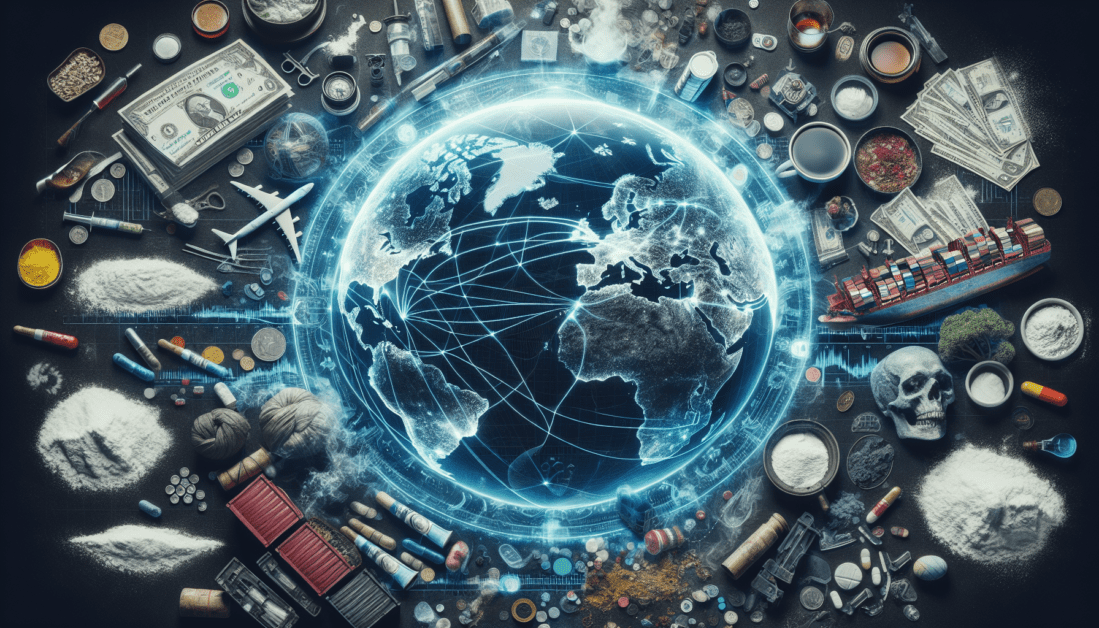
The scale of drug trafficking is staggering. According to law enforcement estimates, the illegal drug trade generates hundreds of billions of dollars annually. This criminal enterprise spans continents, with major trafficking routes connecting South America to North America, Asia to Europe, and Africa to various global markets. Those facing drug trafficking charges often find themselves caught in these vast international operations.
Common Substances in Drug Trafficking
- Cocaine: Primarily produced in South American countries and trafficked worldwide
- Heroin: Often originates from poppy fields in Asia and Mexico
- Methamphetamine: Manufactured in illegal labs and distributed through various networks
- Marijuana: Despite legalization in some areas, remains heavily trafficked
- Synthetic drugs: Including fentanyl and other dangerous substances
Understanding drug trafficking laws is crucial for recognizing the severity of this issue. Those accused of these crimes should immediately consult with a drug trafficking attorney, as the legal consequences can include lengthy prison sentences, substantial fines, and permanent criminal records. The fight against drug trafficking requires cooperation between nations, communities, and individuals committed to addressing this ongoing crisis.