What to Do When an Accident Turns Your Life Upside Down
In Seattle, WA, life moves fast, but so do the risks on its busy streets and highways. In 2024 alone, citywide traffic data shows over 7,600 reported crashes, including nearly 250 suspected serious‑injury collisions and 38 fatalities that left families reeling and individuals facing long recoveries. These figures highlight that even in a city with strong road‑safety efforts, serious accidents remain a harsh reality for drivers, pedestrians, and cyclists alike.
When an accident turns your world upside down in Seattle, knowing what steps to take next isn’t just important—it can determine how well you recover physically, financially, and emotionally. That’s where legal help after a serious accident becomes crucial: experienced guidance can protect your rights, help you pursue compensation for medical bills and lost income, and give you clarity when the path forward feels overwhelming. Understanding both the local accident landscape and your options for legal support can make all the difference during a difficult time.
Prioritize Safety and Health
Safety becomes the number one priority right after an accident. If safe to do so, check for injuries and get away from danger. Get medical care as soon as possible, even for minor injuries. Symptoms are not always apparent immediately. Timely treatment not only stops the nightmare from taking a turn for the worse, but it also puts a timeline on what could have turned into a much bigger story with even more complications. Never substitute or skip therapies that health professionals recommend for recuperation and healing.
Notify Authorities and Report the Incident
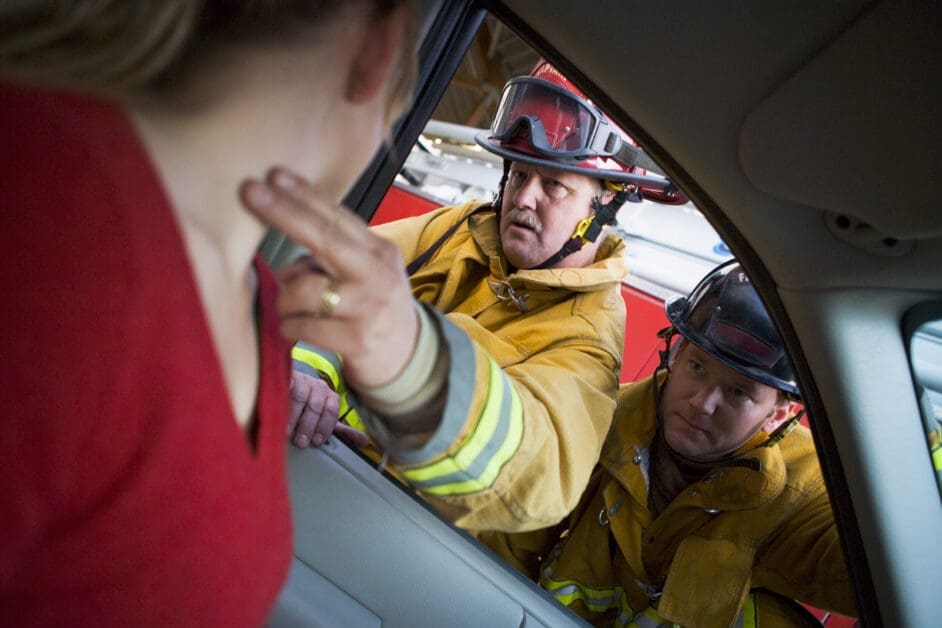
If it is a major crash, contact the authorities immediately as well. Precise recording aids documentation and further clarification. Be honest with first responders and do not provide a false story. Police reports aid in filing an insurance claim and potential lawsuits. An official record can help with the evidence needed in the future.
Gather Evidence and Record Details
Make a thorough log of the matter. Photograph the accident location, any observable wounds, and any loss. Record when and where events happen and in which order, before memories fade. Get contact details of any witnesses you might also have. This information can help clarify the events that happened. Keep essential records for the insurance or any future legal process.
Inform Your Insurance Provider
Contact your insurance as soon as possible. Avoid complications through effective and timely communication. Include all supporting documentation, such as images and medical reports. These insurance representatives can help explain what to expect. Retain copies of everything that you submit for your records. Quick action helps speed things up for your claims process.
Seek Support from Loved Ones
After a traumatic experience, emotional support becomes a key aspect. Discuss it with your trusted friends or family members. Take assistance with gardening, driving, and scheduling when necessary. After an accident, people often feel lonely, but reaching out can help with that. Talking to people who can support you helps ease the stress of it and lets the healing begin.
Consider Professional Counseling
The emotional aftereffects of the accident must be considered. For some, it might take weeks or months for the anxiety, sadness, or frustration to wear off. A professional counselor or therapist can help. A mental health professional can also help with stress management and emotional recovery. Attending to emotional health is just as important as physical recovery.
Explore Legal Guidance When Needed
Certain accidents involve complex legal issues. However, if questions do arise about liability and restitution, contact a legal professional for clarification. Lawyers can explain rights and options clearly. Knowledgeable help can be the difference in tough times. Seek legal guidance early to avoid future problems and protect your interests.
Make a Plan for Changes in Your Daily Life
Serious accidents tend to require a change of daily routines. Work, school, or home life may require modifications, temporary or permanent. Talking with the employer or educator makes it easier to know what to expect when at work. If you plan ahead, this transition will feel less stressful. And be gentle with yourself and others as you all adjust to new possibilities.
Focus on Gradual Recovery
Recovery may take longer than planned. It takes time to heal injuries, whether physical or emotional. Acknowledge minor victories along the journey. Establishing realistic goals and monitoring progress consistently is vital. With time, regular practice, plenty of rest, and self-care, the wheels start to turn slightly faster. Having other people believe you can do better can make you want to do better.
To Sum Up
Accidents could redirect the course of your life in seconds, bringing uncertainty and stress. Taking positive steps is great for recovery, and it also restores order. Those affected soon realize that adapting to a life-altering accident can lead them to a path of purpose.