When a Homeowner Insurance Underpayment Becomes a Coverage Dispute
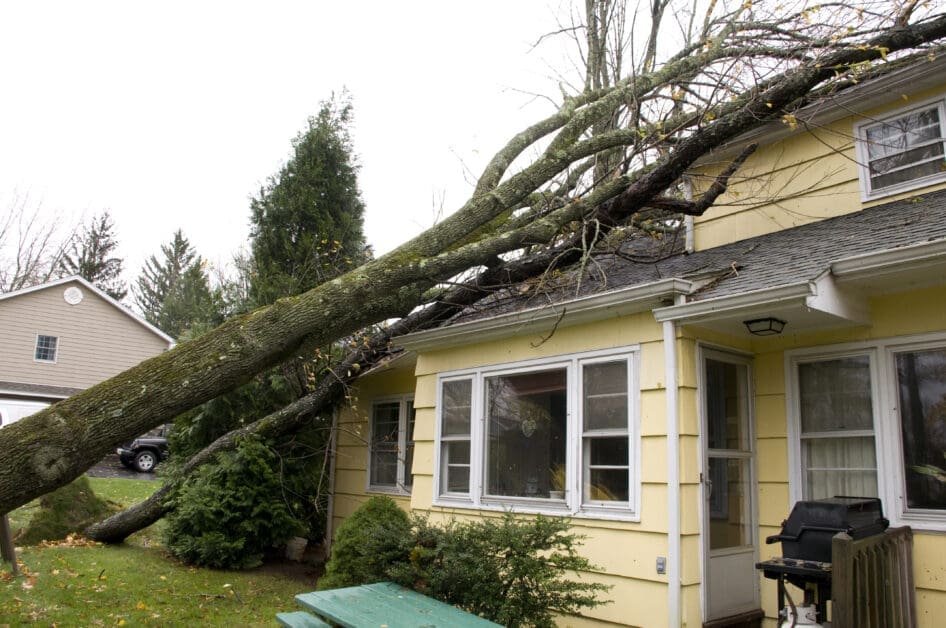
A homeowner files a claim after storm damage. The insurer sends an adjustor. The adjustor writes a number. And for many policyholders, that’s where the trouble starts — not because the claim was denied, but because the amount offered doesn’t come close to covering the actual cost of repairs. Underpayment disputes are among the most common friction points in first-party property insurance, and the path from initial disagreement to full-blown litigation is more structured than most policyholders realize. Firms like Mag Mile Law in Chicago handle these disputes regularly, representing policyholders who’ve exhausted the adjustor process and need to litigate against carriers that refuse to pay what the policy requires.
Understanding where the decision points fall — and what each one costs in terms of time, leverage, and potential recovery — is critical for any homeowner who believes their claim has been underpaid.
The Adjustor’s Estimate Is a Starting Position
When an insurance company receives a property damage claim, it assigns an adjustor to evaluate the loss. That adjustor works for the insurer. While adjustors are bound by professional standards and the policy terms, their incentive structure is worth understanding: the company pays them, and the company’s interest is in minimizing payouts.
The adjustor’s initial estimate is not a final determination of what the policy owes. It’s the insurer’s first position. Policyholders often treat it as definitive, especially when it arrives as a formal-looking report with line items and dollar amounts. But that estimate is based on the adjustor’s scope of damage — their judgment about what was damaged, what caused it, and what it costs to repair. Each of those determinations is contestable.
Common areas where adjustor estimates fall short include missed damage that isn’t visible without destructive testing, undervalued labor or material costs relative to local market rates, and scope disagreements about whether damaged components need full replacement or can be repaired. The National Association of Insurance Commissioners (NAIC) advises homeowners to request denials and underpayment explanations in writing and to keep all claim-related paperwork, because each document becomes evidence if the dispute escalates.
The Contractor Estimate Creates the Gap
Most policyholders discover the underpayment problem when they get repair estimates from licensed contractors. The contractor’s scope and pricing often exceeds the insurer’s estimate — sometimes significantly. This gap is where the dispute crystallizes.
The insurer may argue the contractor is overpricing the work or including unnecessary scope. The contractor may counter that the adjustor missed damage or used pricing databases that don’t reflect current local costs. Both positions can have merit, and the resolution depends on what the policy actually requires.
This is a critical juncture. Policyholders who simply accept the insurer’s number at this stage leave money on the table. Those who push back need to do so with documentation: a detailed contractor estimate, photographs showing damage the adjustor’s scope missed, and any correspondence where the insurer’s own materials contradict their position.
The Appraisal Clause: A Contractual Dispute Mechanism
Many Illinois homeowner policies include an appraisal clause — a contractual mechanism that allows either party to demand an independent valuation when there’s a disagreement about the amount of loss. Appraisal is not litigation. It’s a private process where each side selects an appraiser, the two appraisers select an umpire, and the panel determines the loss amount.
Appraisal can resolve amount disputes faster and more cheaply than a lawsuit, but it has limitations. It generally addresses only the amount of the loss, not whether the loss is covered. If the insurer is denying coverage entirely — arguing the damage falls under an exclusion, or that the cause of loss isn’t covered — appraisal won’t resolve that dispute. It’s a tool for underpayment, not denial.
Policyholders should also understand the cost structure. Each side pays for its own appraiser, and the parties typically split the umpire’s fee. For smaller claims, these costs may offset the additional recovery. For substantial underpayments, appraisal can be an efficient path to a fair result.
When the Dispute Moves to Litigation
A claim moves from disagreement to litigation when the policyholder concludes that the insurer isn’t going to pay what the policy requires through any voluntary process. That conclusion usually follows one or more of these events: the insurer refuses to reopen the claim after receiving additional documentation, the appraisal process produces a result the insurer ignores, or the insurer’s position rests on coverage grounds that the policyholder believes misread the policy.
Filing a lawsuit against an insurer is a breach-of-contract action. The policyholder alleges that the insurer failed to pay what the policy requires. If the insurer’s conduct was not merely wrong but unreasonable, Illinois law provides additional statutory remedies — including attorney fees and penalties — that can make litigation more viable for policyholders than the claim amount alone might justify.
According to the NAIC’s guidance on claim complaints, policyholders should also know that filing a complaint with their state insurance department is an option at any stage of the process. In Illinois, the Department of Insurance investigates coverage disputes and can request corrective action if the insurer violated state insurance laws.
The Decision Framework for Policyholders
The question for a homeowner facing an underpayment isn’t simply “should I fight this?” It’s “at what stage does fighting it make economic sense?” That depends on several variables: the size of the gap between the insurer’s offer and the actual repair cost, whether the dispute is about amount or coverage, the policyholder’s tolerance for timeline (litigation takes months to years), and whether the insurer’s conduct opens the door to statutory penalties that shift attorney fees.
For small gaps — a few thousand dollars on a minor claim — the cost of pursuing the dispute may exceed the additional recovery. For significant underpayments on major property losses, the calculus often favors pushing back. And when an insurer’s position is not just wrong but unsupportable, the statutory remedies available under Illinois law can make litigation not only viable but financially advantageous.
The key is making informed decisions at each stage rather than defaulting to acceptance. Insurers count on policyholders treating the adjustor’s estimate as the final word. It isn’t.