April 2025

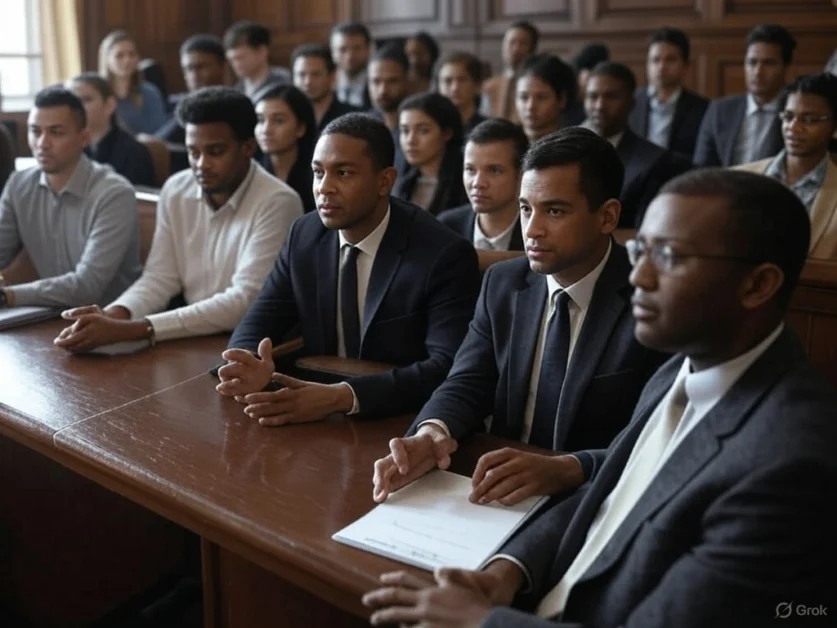
Business Consolidation Laws Discussed in Intense Corporate Meeting Environment

What Legal Implications Do High-Profile Corporate Mergers Have?

High-profile corporate mergers can trigger antitrust review that can block or require divestitures, with U.S. HSR filings commonly imposing a 30-day waiting period before closing. They also raise SEC disclosure duties, fiduciary obligations, shareholder vote/appraisal rights, and integration compliance risks. This article explains the main regulatory, litigation, and governance issues that shape merger strategy. The […]

What Legal Implications Do High-Profile Corporate Mergers Have? Read More »

Regulations Adapting to Online Messaging in Dynamic Tech Office Environment

How Do Laws Adapt to New Forms of Digital Communication?

Laws adapt to new digital communication through 3 main tools: legislatures updating statutes, courts setting precedents, and agencies issuing regulations and guidance. This approach helps address privacy, cybersecurity, online speech, and cross-border data issues as platforms evolve. This article explains the legal mechanisms, key doctrines, and practical impacts for individuals and businesses. The adaptation of

How Do Laws Adapt to New Forms of Digital Communication? Read More »

Global Views on Due Process Balancing National Security Issues

The Intersection of Due Process and National Security Concerns

U.S. courts apply at least a two-part Mathews v. Eldridge balancing test to weigh due process against national security. In practice, judges often allow secrecy or limited evidence access but require meaningful notice and a chance to challenge detention or designation. This article explains the constitutional framework, leading cases, and surveillance-era implications for individual rights.

The Intersection of Due Process and National Security Concerns Read More »

Creative Clip Editing Methods Showcased in Vibrant Modern Studio Environment

Dynamic Editing Techniques That Keep Viewers Engaged Throughout Clips

Dynamic editing techniques can increase video retention by 20–40% by using tighter cuts, pattern interrupts, captions, and strategic b-roll. For law firms, this keeps viewers engaged and improves platform signals like watch time and completion rate. This article covers practical editing tactics attorneys can use to hold attention throughout legal clips. In the competitive landscape

Dynamic Editing Techniques That Keep Viewers Engaged Throughout Clips Read More »

Companies Face Lawsuits for Environmental Violations

What Legal Actions Are Taken Against Companies for Environmental Failures?

Companies that cause environmental failures can face civil lawsuits, regulatory fines, cleanup and remediation orders, and even criminal prosecution, with penalties ranging from large daily fines to multimillion-dollar settlements and mandated corrective action. Enforcement typically follows spills, illegal discharges, hazardous-waste violations, or noncompliance with permits, and may be pursued by agencies, affected communities, or shareholders.

What Legal Actions Are Taken Against Companies for Environmental Failures? Read More »

Legal Safeguards for School Free Speech Uncovered

How Does the Law Protect Free Speech in Schools?

U.S. law protects free speech in schools under the First Amendment, guided by at least four major Supreme Court standards (Tinker, Bethel, Hazelwood, Morse). Schools may restrict student speech that materially disrupts learning, is lewd, appears school-sponsored, or promotes illegal drug use. This article explains the rules, exceptions, and real-world examples. The question of how

How Does the Law Protect Free Speech in Schools? Read More »

Global Views on Non-Citizen Due Process Rights in the U.S.

Due Process Protections for Non-Citizens on U.S. Soil

Yes—non-citizens on U.S. soil are protected by the Fifth Amendment’s Due Process Clause, which applies to “persons,” not just citizens. At minimum, the government must provide notice and a meaningful opportunity to be heard before depriving liberty (with limits in certain immigration contexts). This article explains the governing Supreme Court framework, key exceptions, and how

Due Process Protections for Non-Citizens on U.S. Soil Read More »

Legal Insights on Due Process in Asset Forfeiture Proceedings

Due Process Considerations in Civil Asset Forfeiture Cases

Civil asset forfeiture can occur without a criminal conviction, but due process generally requires timely notice, a meaningful opportunity to be heard, and procedures that limit wrongful deprivation of property. These protections vary by jurisdiction and often turn on deadlines, burdens of proof, and access to counsel. This article explains key constitutional and statutory due

Due Process Considerations in Civil Asset Forfeiture Cases Read More »

Court Rulings on Educational Material Disputes

What Legal Precedents Are Set by Controversies Over Educational Content?

U.S. Supreme Court precedent sets at least 4 core limits on educational content disputes: schools can’t impose religion (Establishment Clause), can’t censor ideas solely for viewpoint, and must respect certain student speech rights. Landmark cases like Tinker, Pico, and Epperson frame how courts balance parental objections, academic freedom, and state curriculum authority. This article explains

What Legal Precedents Are Set by Controversies Over Educational Content? Read More »

Worldwide Views on Due Process Rights in Legal Systems

International Perspectives: Due Process Rights Around the World

International due process rights differ widely across more than 190 countries, but most systems recognize core protections like notice, a hearing, and an impartial tribunal. The exact safeguards and enforcement vary by legal tradition, constitutions, and human-rights treaty commitments. This article compares global approaches to procedural fairness and the tradeoffs between individual rights and state

International Perspectives: Due Process Rights Around the World Read More »

Scroll to Top