Can You Still Get Compensation If You Were Partially at Fault in Tulsa?
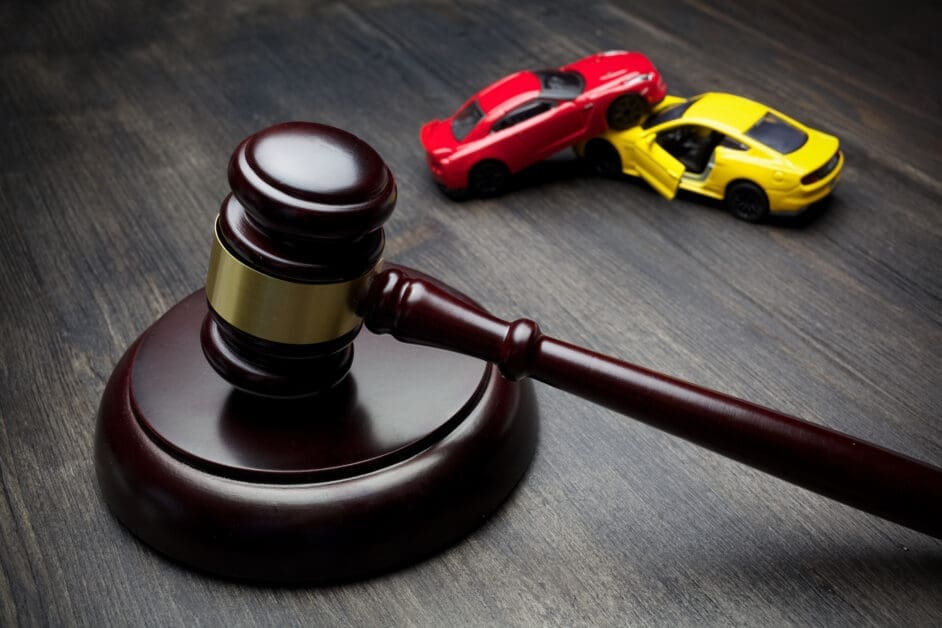
Yes, you can still get compensation in Tulsa even if you were partly at fault. Oklahoma law allows this as long as you are not more than 50% responsible. Your total award just gets reduced based on your share of the blame.
Tulsa is one of Oklahoma’s largest cities, known for its strong ties to the oil industry and its Art Deco architecture. It sits along the Arkansas River and has a mix of urban development and suburban growth. The city also has an active economy and a well-developed transportation network.
If you’re dealing with this situation, speaking with an experienced accident attorney in Tulsa can help you understand where you stand and what your case may actually be worth.
How Oklahoma’s Comparative Fault Law Works
Oklahoma doesn’t expect accidents to be black-and-white. The law recognizes that more than one person can contribute to a crash.
Under Oklahoma’s comparative negligence law (23 O.S. §§13–14), you can still recover damages if you are not mostly at fault. The rule is simple:
- Stay at 50% fault or below, and you can recover money
- Go over 50%, and your claim stops there
- Whatever your share of fault is, your payout drops by that same percentage
A quick example
Picture this:
- Your total damages = $100,000
- You’re found 30% at fault → you receive $70,000
- You’re found 50% at fault → you receive $50,000
That percentage matters more than most people think. Even a small shift can mean thousands of dollars.
How Fault Gets Decided
Fault doesn’t come from a single opinion. It’s built from pieces of evidence that tell a story about what happened.
Here’s what usually gets reviewed:
- Police accident reports
- Statements from drivers and witnesses
- Photos or video footage
- Damage patterns on the vehicles
Real-life situations where fault gets split
- You were driving a bit fast, but the other driver turned without looking
- You missed a signal while the other driver was texting
- You followed too closely, but traffic stopped suddenly
These aren’t rare. They’re everyday accident scenarios.
Why Insurance Companies Push Fault on You
Insurance companies don’t look at your claim the same way you do. Their goal is to limit what they pay.
One way they do that is by shifting more blame onto you.
They might:
- Ask questions designed to get certain answers
- Focus on the small mistakes you made
- Downplay what the other driver did
If they can move your fault from, say, 20% to 40%, they cut your compensation in a big way.
What You Do After the Crash Matters
The steps you take early on can shape how your case plays out later.
Right after the accident
- Call the police and wait for a report
- Take clear photos of everything—cars, road, injuries
- Get names and numbers from witnesses
- Don’t say “it was my fault,” even casually
In the days that follow
- See a doctor, even if you feel okay
- Keep records of bills, repairs, and missed work
- Report the accident to your insurer
Your documentation helps show exactly where your losses fall in that bigger picture.
What You Can Still Recover
Being partly at fault doesn’t block you from recovering losses. It just adjusts the amount.
You may still be able to claim:
- Medical costs
- Lost wages
- Car repair or replacement
- Pain and suffering
Each category gets reduced based on your share of responsibility.
Why These Cases Get Tricky
Partial fault cases can shift quickly. Small details can change outcomes.
For example:
- A missing or unclear road sign could reduce your blame.
- Poor road conditions might bring in a city or contractor.
- A mechanical issue could involve a vehicle manufacturer.
These factors don’t always show up right away. But when they do, they can move fault percentages in your favor.
Key Takeaways
- You can still recover money after a crash in Tulsa, even if you played a part in it.
- The cutoff matters: once you go over 50% fault, you lose the right to compensation.
- Your share of blame directly lowers how much you take home.
- Fault isn’t always obvious—it gets worked out using reports, evidence, and sometimes expert input.
- Insurance companies often try to shift more blame onto you to reduce what they pay.
- What you do after the accident—photos, medical care, records—can make a real difference in your case.
- Small details can change fault percentages, and that can mean a big swing in your final payout.