Covers legal risks arising from the development and use of AI, including liability for automated decisions, compliance with emerging AI and data protection regulations, intellectual property and training data disputes, bias and discrimination claims, cybersecurity and safety obligations, and governance, contracting, and accountability for AI systems.
Texas lawyers typically have 30 days to respond to a Texas Bar grievance once notified, and a weak response can escalate discipline exposure. Allegations that AI-generated client advice was misleading often implicate competence, communication, and candor duties under the Texas Disciplinary Rules. This article explains how to triage the complaint, preserve evidence, draft a strategic […]
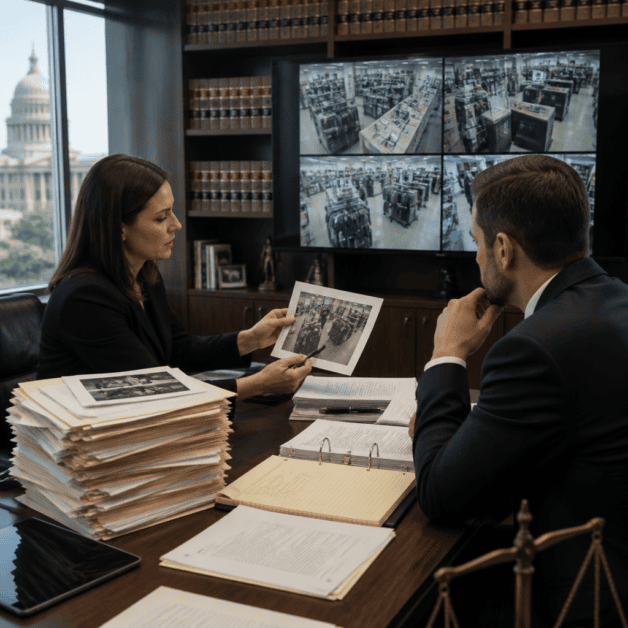
A Texas retailer can often defeat or limit a negligence claim arising from an AI loss-prevention detention by proving a lawful “shopkeeper’s privilege” detention and by attacking duty, breach, causation, and damages with system and incident evidence. As AI-driven camera analytics and facial-recognition alerts become common in Texas stores, wrongful detentions are generating hybrid premises, […]
Proving liability for an AI “hallucination” in healthcare typically requires 3 core showings: a duty of care, a verifiable false output, and a causal link to patient harm. As hospitals and clinicians deploy generative AI for triage, documentation, imaging support, and patient messaging, the same tool can create confident but incorrect medical content. This article […]
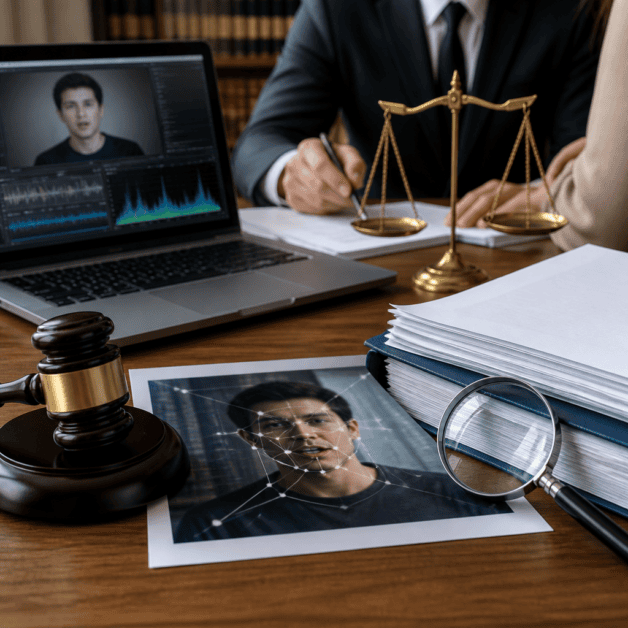
Florida deepfake-defamation cases often turn on two proof pillars—(1) causation (the fake caused the harm) and (2) damages (the harm is measurable), and defendants commonly attack both. AI manipulation complicates identity, publication, and “actual malice” evidence, especially when content spreads across platforms. This article explains how Florida lawyers can prove causation and damages in an […]
Florida healthcare providers can reduce AI chatbot hallucination liability by implementing a documented “human-in-the-loop” triage workflow and auditing outputs against clinical protocols. As chatbots move into patient intake and symptom screening, errors can trigger malpractice, privacy, and deceptive practices exposure. This article explains Florida-specific risk points, key federal overlays, and practical contract, policy, and documentation […]
A lawyer can be sanctioned—even disbarred—for filing a brief that cites a fake case, even if he claims he didn’t write the citation. Courts treat attorneys as responsible for verifying every authority submitted under their name, and they increasingly scrutinize AI‑generated or copied citations. This article explains how the sanction happened, what rules were violated, […]