Artificial Intelligence & Technology

Covers legal issues arising from artificial intelligence and emerging technologies, including data privacy and cybersecurity, intellectual property, software and platform liability, regulatory compliance, and governance of automated decision-making. Explore updates on AI legislation and enforcement, technology transactions, and risk management for businesses adopting or developing new tech.

6 posts
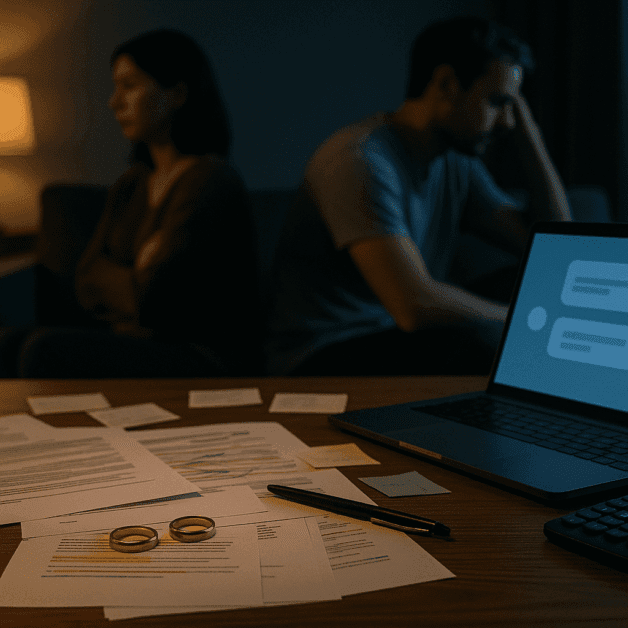
The Divorce Questions ChatGPT Keeps Getting Wrong

The Divorce Questions ChatGPT Keeps Getting Wrong

ChatGPT often gets key divorce basics wrong—especially on state-specific issues like property division, custody standards, and filing requirements. Because divorce law varies sharply by jurisdiction and facts, confident-sounding answers can mislead you and create costly mistakes. This article flags the most common errors, explains what the law generally requires, and shows how to verify guidance […]
Read More
Your Face Is Now a Trade Secret — How to Protect It

Your Face Is Now a Trade Secret — How to Protect It

Facial recognition systems can identify you in seconds with accuracy rates above 99% in controlled testing. Companies collect and monetize facial templates, which can be protected as trade secrets when kept confidential and misappropriated. This article explains how trade secret law applies to facial data and what steps you can take to protect it. What […]
Read More
AI-Assisted Divorce Arbitration – The Arizona Law Parents Should Watch

AI-Assisted Divorce Arbitration – The Arizona Law Parents Should Watch

Arizona lawmakers are considering AI-assisted divorce arbitration for disputes involving custody, parenting plans, and asset division. The proposal would allow certain AI tools to support arbitration in family-law cases, raising new questions about fairness, transparency, and due process. This article explains what the bill could change, who it affects, and what divorcing parents should watch […]
Read More
Why Typing Into ChatGPT About Your Marriage Can End Up in Your Divorce File

Why Typing Into ChatGPT About Your Marriage Can End Up in Your Divorce File

What you type into ChatGPT about your marriage can be requested and used as divorce evidence if it’s saved, shared, or tied to your account. Courts can compel production of relevant communications, and AI chats may reveal admissions, timelines, or intent. This article explains the risks, when chats become discoverable, and safer ways to seek […]
Read More
Why Your Immigration Lawyer Can Never Use ChatGPT on Your Case

Why Your Immigration Lawyer Can Never Use ChatGPT on Your Case

Your immigration lawyer can’t use ChatGPT with your case details unless they can guarantee confidentiality and comply with professional responsibility rules—and most public AI tools can’t. Immigration matters often involve sensitive data, and improper AI use can risk privilege, privacy, and even case strategy. This article explains the ethical and legal limits, what questions to […]
Read More
The Digital Replica Law That Lets the Dead Sue You From the Grave

The Digital Replica Law That Lets the Dead Sue You From the Grave

More than half of U.S. states now recognize a post‑mortem right of publicity, and newer “digital replica” statutes are expanding that protection to AI‑generated voice and likeness. These laws can let a deceased person’s estate sue if you use a realistic digital double without permission—even in ads, games, or online content. This article explains what […]
Read More
Scroll to Top