Explore a comprehensive collection of resources dedicated to civil rights law, featuring insightful articles, expert video interviews with attorneys, and clear legal glossary definitions. Visitors will find in-depth discussions on essential civil rights issues, including discrimination, freedom of speech, and equal protection under the law. Stay informed and understand your rights with our authoritative content tailored for individuals seeking legal information and guidance.
August 11, 2025•By Attorneys.Media Editorial Staff
You can typically obtain a domestic violence protection order within 24–48 hours through an emergency or temporary court process, often without the abuser present. The order can bar contact, require move-out, and set custody or firearm limits, then a full hearing is held to protect due process rights. This article explains eligibility, filing steps, enforcement, […]
FOIA promotes transparency by requiring federal agencies to release records upon request unless they fall under one of 9 statutory exemptions. This disclosure framework helps the public scrutinize agency actions, deter misconduct, and support informed civic participation. This article explains FOIA’s purpose, how requests work, and the key exemptions and limits. The Freedom of Information […]
Substantive due process protects fundamental privacy rights under the Fifth and Fourteenth Amendments, even when the Constitution doesn’t name them. Courts apply heightened scrutiny when government actions burden these liberties without a compelling justification. This article traces the doctrine’s evolution through major Supreme Court decisions and its current limits. Individuals often ask, “What is substantive […]
Nursing home abuse and neglect often stem from 7 common causes, including understaffing, poor training, and inadequate supervision. These breakdowns can lead to missed care, unsafe conditions, and preventable injuries for residents. This article explains each cause and the warning signs families should watch for. A nursing home is a type of assisted living facility […]
Property owners facing eminent domain are entitled to due process, including timely notice, a meaningful opportunity to be heard, and “just compensation” under the U.S. Constitution. These protections help ensure the government follows lawful procedures and does not take private property arbitrarily or without fair payment. This article explains the key due process rights in […]
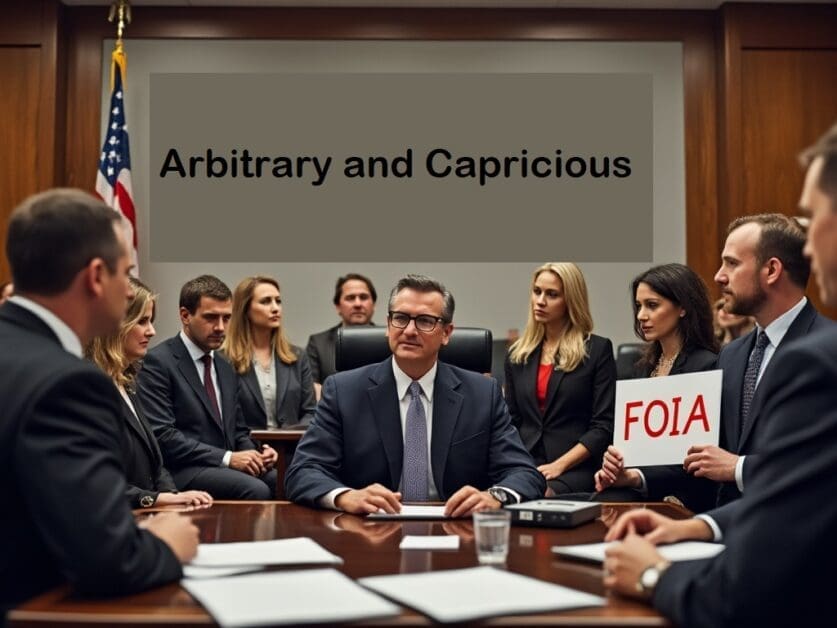
Affected parties can challenge an arbitrary and capricious decision by filing for judicial review within the applicable deadline (often 30–60 days). Courts assess whether the agency relied on improper factors, ignored key evidence, or failed to explain its reasoning based on the administrative record. This article outlines the standard, required steps, and practical strategies for […]
Due process generally requires notice that is “reasonably calculated” to inform the affected person and provide a real chance to respond. The government must use a method likely to reach the individual under the circumstances, with stronger steps when it knows notice failed. This article explains constitutional notice standards, common methods, and key court rulings. […]
Extradition must satisfy due process, meaning the requested person is entitled to notice, a fair hearing, and judicial review within the limits of the U.S. extradition statute and treaty. Because extradition sits at the intersection of constitutional protections and international obligations, courts often confine challenges to narrow procedural and humanitarian grounds. This article explains the […]
Courts determine what process is “due” by applying a 3-factor Mathews v. Eldridge balancing test. They weigh the private interest at stake, the risk of erroneous deprivation and value of added safeguards, and the government’s burden. This article explains how that framework shifts across contexts like benefits, discipline, and criminal procedure. The question of what […]
Noncitizens in removal proceedings have Fifth Amendment due process rights, including notice of charges and a meaningful opportunity to be heard before an immigration judge. They may hire counsel but generally have no right to government-appointed counsel. This article explains the constitutional framework, key case law, and how due process challenges arise in practice. The […]
Modern due process has been shaped by 10+ landmark Supreme Court decisions interpreting the Fifth and Fourteenth Amendments. These rulings define fair procedures (notice, hearing, counsel) and, at times, protect fundamental rights from arbitrary government action. This article highlights the key cases, holdings, and their impact on today’s due process standards. The concept of due […]
In Trump v. United States (2024), the Supreme Court created a 3-tier presidential immunity framework: absolute for core constitutional acts, presumptive for official acts, and none for private acts. Courts must assess the act’s nature while guarding due process and evidentiary fairness. This article explains the doctrine’s limits, how immunity is tested, and what it […]