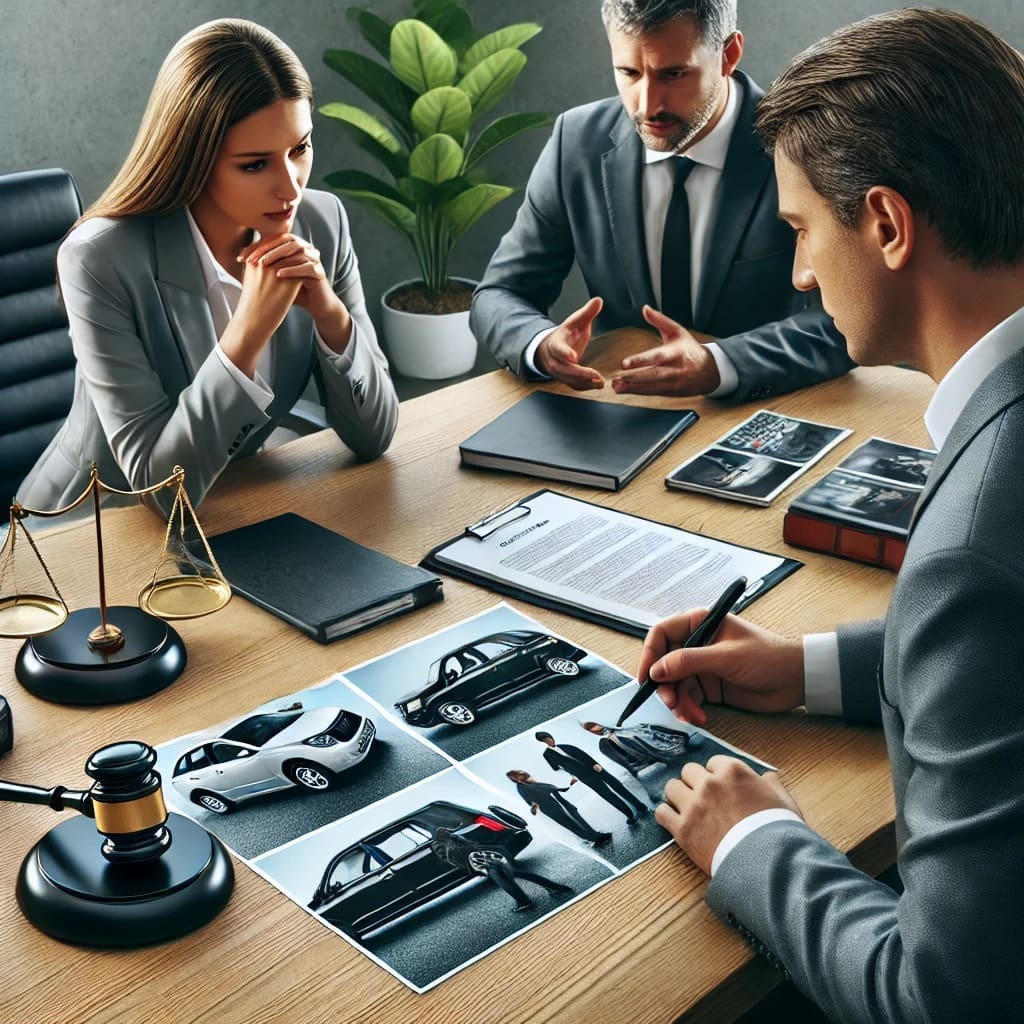
Evidence Handling

Explore essential insights on evidence handling, a critical aspect of legal proceedings, on Attorneys.Media. This category features expert articles, video interviews with attorneys, and comprehensive resources that delve into the best practices for collecting, preserving, and presenting evidence in court. Stay informed about the latest developments and legal standards surrounding evidence to enhance your understanding of this fundamental area of law.

92 posts
What Happens If the Wrongful Death Case Goes to Trial with a Wrongful Death Lawyer?

What Happens If the Wrongful Death Case Goes to Trial with a Wrongful Death Lawyer?

If a wrongful death case goes to trial, most civil trials last about 3–10 days, though complex cases can take longer. A wrongful death lawyer handles discovery, motions, jury selection, evidence, witness testimony, and arguments to prove liability and damages. This article covers each trial stage, likely timelines, and what to expect from verdict through […]
Read More
Does a Truck Accident Lawyer Have Experience Negotiating with Insurance Companies?

Does a Truck Accident Lawyer Have Experience Negotiating with Insurance Companies?

Yes—most truck accident lawyers negotiate with insurance companies on a weekly basis and handle settlement talks in nearly every case. They document damages, push back on adjuster tactics, and coordinate with experts to value claims accurately. This article explains what that negotiation experience looks like and how it affects your compensation. When involved in a […]
Read More
What Evidence Should I Collect for My Rideshare Accident Lawyer?

What Evidence Should I Collect for My Rideshare Accident Lawyer?

Collect at least 7 key items: scene photos/video, driver and insurance details, rideshare trip screenshots, police report number, witness contacts, medical records, and repair bills. These documents help prove fault, verify the active ride period, and calculate damages. This article explains what to gather, why it matters, and how to preserve it for your lawyer. […]
Read More
What Are My Legal Rights If I’ve Been Injured in a Motor Vehicle Accident According to a Lawyer?

What Are My Legal Rights If I’ve Been Injured in a Motor Vehicle Accident According to a Lawyer?

After a motor vehicle accident injury, you generally have the right to seek compensation for medical bills, lost wages, pain and suffering, and property damage—often within 1–3 years, depending on your state. A lawyer can help prove fault, preserve evidence, and negotiate with insurers to protect your claim. This article covers immediate steps, claim types, […]
Read More
How to Preserve Critical Evidence After Your Motor Vehicle Accident

How to Preserve Critical Evidence After Your Motor Vehicle Accident

After a motor vehicle accident, preserving evidence immediately—starting within the first 24–48 hours—can be crucial to proving fault and recovering compensation. Photos, witness details, vehicle damage records, police reports, and medical documentation can disappear quickly or be challenged later by insurers. This article explains what evidence to collect, how to store it safely, and the […]
Read More
How to Prove Negligence After a Rideshare Crash

How to Prove Negligence After a Rideshare Crash

To prove negligence after a rideshare crash, you must establish 4 elements: duty, breach, causation, and damages. Evidence like the police report, rideshare app trip logs, dashcam/video, witness statements, medical records, and crash reconstruction helps show fault and liability. This article explains the evidence to gather and how lawyers use it to build a strong […]
Read More
How to Recover After a Motorcycle Accident with a Lawyer

How to Recover After a Motorcycle Accident with a Lawyer

Take these 7 steps after a motorcycle accident to protect your health and your claim. A motorcycle accident lawyer can secure evidence, handle insurers, and calculate medical costs, lost wages, and pain and suffering. This article covers what to do immediately after the crash and how legal counsel helps you recover compensation. Experiencing a motorcycle […]
Read More
Understanding Rules of Evidence: What You Need to Know

Understanding Rules of Evidence: What You Need to Know

The rules of evidence determine what information a judge or jury may legally consider in court, including when testimony, documents, or physical items can be admitted or excluded. They aim to keep trials fair and reliable by filtering out irrelevant, prejudicial, or unreliable proof while enforcing requirements like relevance, authentication, and hearsay exceptions. This article […]
Read More
1 6 7 8
Scroll to Top