Human Rights
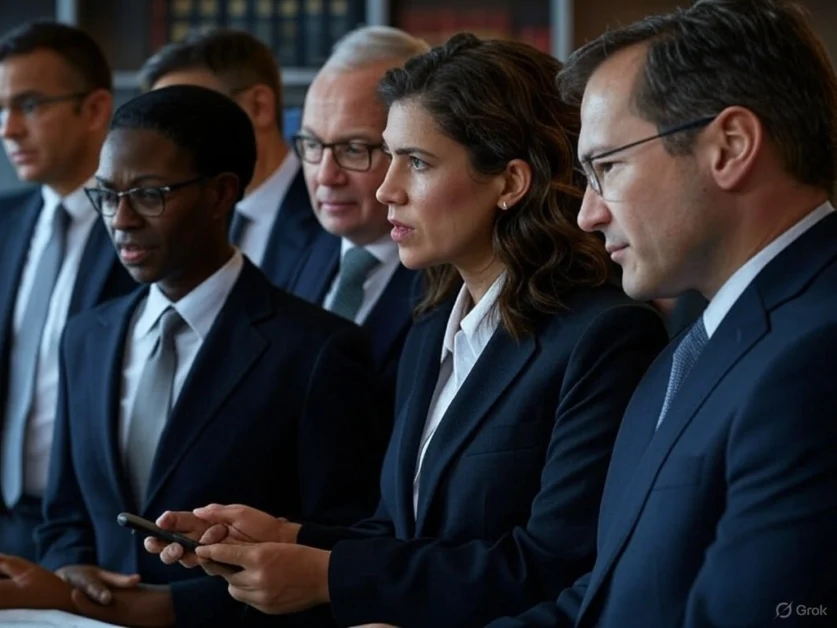
<a href="https://attorneys.media"><img class="aligncenter size-full wp-image-32289" src="http://attorneys.media/wp-content/uploads/2023/12/Human-Rights.jpg" alt="Legal Advocacy for Equality: A Bright and Professional Human Rights Law Office" width="1024" height="1024" /></a>
<strong>Human Rights Law: Championing Justice and Equality</strong>
Human rights law is a crucial area of legal practice dedicated to protecting the fundamental rights and freedoms of individuals. This article provides a comprehensive look into the world of human rights legal consultation, highlighting the importance of legal expertise in advocating for justice and equality.
<strong>Understanding Human Rights Law</strong>
Human rights law encompasses a wide range of issues including civil liberties, social justice, and anti-discrimination. It aims to protect individuals from violations of their basic human rights by governments, organizations, or other individuals.
<strong>Civil Liberties and Freedom</strong>
A significant aspect of human rights law is the protection of civil liberties such as freedom of speech, expression, and religion. Legal professionals in this field work tirelessly to defend these freedoms, ensuring that individuals' rights are not infringed upon.
<strong>Social Justice and Equality</strong>
Human rights law plays a vital role in promoting social justice and equality. It addresses issues such as discrimination, gender equality, and the rights of marginalized communities, striving to create a more equitable society.
<strong>Legal Strategies in Human Rights Cases</strong>
Legal strategies in human rights cases often involve litigation, advocacy, and public policy work. Lawyers specializing in human rights law represent clients in court, engage in advocacy campaigns, and work towards creating or reforming laws to protect human rights.
<strong>The Role of International Human Rights Law</strong>
International human rights law is an important aspect of this field, dealing with rights recognized by global treaties and conventions. Legal experts in human rights work on cases that have international implications, advocating for global human rights standards.
<strong>Challenges in Human Rights Legal Work</strong>
Human rights legal work can be challenging, often involving complex cases that require a deep understanding of both national and international law. Lawyers in this field must be prepared to tackle these challenges head-on, using their expertise to advocate for justice.
<strong>Conclusion</strong>
Human rights law is a noble and essential field of legal practice. It requires a deep commitment to justice and equality, and the expertise of skilled legal professionals to navigate its complexities. By championing human rights, legal consultants play a critical role in creating a fairer and more just society.
67 posts