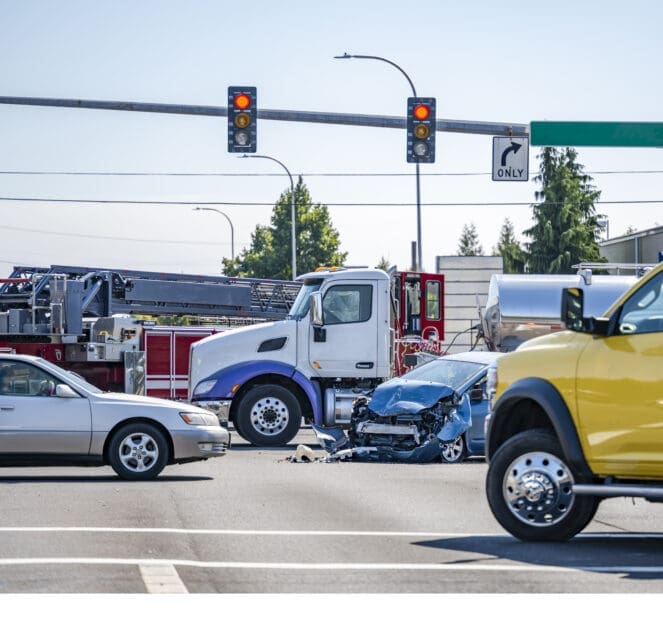
Explore a comprehensive collection of resources related to negligence law, including insightful articles, expert video interviews with attorneys, and detailed legal glossary definitions. Visitors will gain a deeper understanding of various negligence claims, including personal injury, medical malpractice, and premises liability. Our curated content is designed to empower individuals seeking legal information and guidance on their rights and options in negligence cases.
Injuries on Manchester-area MBTA buses or trains can lead to a claim, but notice deadlines may be as short as 30 days for some public entities. Liability may involve the MBTA, a contractor, or a negligent driver, and evidence like incident reports and video matters. This article explains common causes, who can be responsible, and […]
Most railroad injury claims are governed by fault-based rules—especially under the Federal Employers’ Liability Act (FELA), which requires proving employer negligence and allows reduced awards for comparative fault. Yet a few limited situations still turn on traditional fault doctrines, strict statutory duties, or exceptions that can determine who pays and how much. This article explains […]
Most personal injury claims lose value because of a few avoidable mistakes—especially delaying medical treatment, missing deadlines, or giving recorded statements without legal advice. Insurers often use gaps in care, inconsistent records, and social media posts to dispute fault and minimize payouts. This article explains the most common personal injury claim mistakes and how to […]
Many wage disputes become legal claims after two or more repeated pay errors, such as unpaid overtime, missed hours, or misclassification. When the problem continues after notice, workers can pursue back pay and additional damages under wage-and-hour laws. This article explains the common triggers, documentation steps, and when to contact a lawyer. Most wage disputes […]
In South Carolina, the at-fault driver is liable for damages, and you can recover compensation if you are less than 51% at fault. Liability is determined by evidence and South Carolina’s modified comparative negligence rule, which reduces your recovery by your fault percentage. This guide explains fault, insurance claims, and how to pursue maximum compensation. […]
In Florida, you generally have 2 years to file an injury lawsuit after an Ocala motorbike accident. Fault, insurance coverage, and early evidence like crash reports, photos, and medical records often decide whether compensation is available. This article covers immediate steps to preserve your options and document losses after a short-trip crash. A short motorcycle […]
Eye injury solicitors typically pursue compensation under two heads of loss: general damages for the injury and special damages for financial impact. They gather medical reports, prove negligence, and value ongoing treatment, lost earnings, and care needs. This article explains the claims process, key evidence, and how solicitors maximise eye injury compensation. One of the […]
A strong slip and fall case typically needs 4 elements: a dangerous condition, the property owner’s notice, causation, and documented damages. Quick evidence like photos, incident reports, witness info, and prompt medical care makes these elements easier to prove. This article explains what facts and documentation most often determine case strength. A slip and fall […]
In New York City, most birth injury lawsuits must be filed within 2 years and 6 months, though claims involving minors can have extended deadlines. These cases often hinge on proving medical negligence during pregnancy, labor, delivery, or newborn care and documenting the lifelong impact on the child and family. This article explains NYC birth […]
Dangerous intersections along Route 202 and the Palisades Parkway contribute to thousands of crashes each year, often driven by speeding, heavy congestion, and poor visibility. When collisions happen at these high-risk crossings, the resulting injuries and liability disputes can be complex and time-sensitive. This article identifies common crash hotspots, explains why they’re so hazardous, and […]
A slip and fall case is a premises liability claim where an injured person must typically prove 4 elements: duty, breach, causation, and damages. It arises when a property owner or occupier fails to fix or warn about a dangerous condition that leads to a fall. This article explains common causes, legal duties, evidence, and […]
Criminal negligence is a gross deviation from reasonable care—often described as acting with “wanton or reckless disregard” for others’ safety—that creates a substantial and unjustifiable risk of harm. It goes beyond ordinary carelessness and can lead to criminal charges when someone should have been aware their conduct could cause serious injury or death. This article […]