Explore the intricacies of the court system through in-depth articles, expert video interviews, and comprehensive legal glossary definitions available on Attorneys.Media. This category provides valuable insights into various court procedures, types of courts, and the roles of judges and attorneys, helping you navigate the legal landscape with confidence. Stay informed about important legal topics and resources related to the judiciary, ensuring you are well-equipped to understand your rights and options.
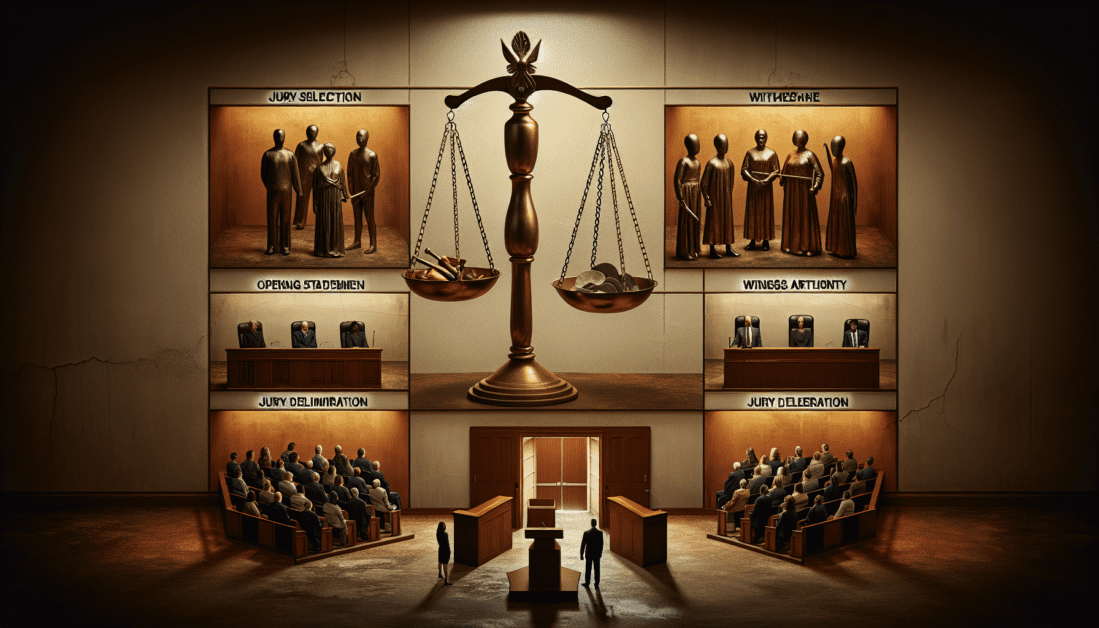
Learn the 5 essential stages of any trial process: pre-trial preparation, jury selection, opening statements, evidence presentation, and closing arguments. This guide covers criminal cases including DUI trial process, conspiracy trial process, and sex crime trial process, plus civil matters.
Plea bargaining is a legal process where defendants plead guilty in exchange for reduced charges or lighter sentences. This negotiation between defense and prosecution resolves 90% of criminal cases, including DUI plea bargaining tactics and plea bargaining armed robbery cases through various plea bargaining strategies.
Courtroom procedures establish the formal rules governing legal proceedings from filing to verdict. These structured processes ensure fairness, protect rights, and maintain order while evidence rules determine what information can be presented. Understanding these fundamentals helps navigate the legal system effectively.
Sealed indictments are formal criminal charges issued by grand jury indictments that remain hidden from public view. These sealed cases protect investigations by preventing suspects from fleeing, preserving evidence, and ensuring witness safety until authorities are ready to make arrests.
Going to court can feel overwhelming, but knowing what to expect helps. Your initial court appearance involves formal procedures where charges are read and rights explained. Following proper court appearance guidelines ensures everything runs smoothly.
An arrest warrant is a judge-issued document giving police authority to arrest someone based on probable cause. Unlike DUI arrest myths suggest, officers don't always need warrants. These include bench warrant arrests for court no-shows and international arrest warrants for cross-border crimes.
The court trial process is a structured legal journey from filing to verdict. Understanding trial court operations, trial court roles, and trial court functions helps navigate each stage effectively. From initial complaint through pre-trial discovery to final judgment, courts ensure fair resolution of disputes.
Court hearings range from DUI court proceedings to bankruptcy court hearing representation, each with specific procedures. Understanding criminal court hearing deadline extensions in Alameda County and other jurisdictions helps ensure proper preparation for any legal proceeding you may face.