Prepare for success in the courtroom with resources dedicated to trial preparation. Visitors will find comprehensive articles, expert interviews with seasoned attorneys, and valuable insights into case strategies, jury selection, and evidence presentation. Equip yourself with the knowledge necessary to navigate the complexities of litigation and ensure a strong case presentation.
Columbia, South Carolina, is a busy capital city where major roads, workplaces, businesses, and public spaces bring people into close contact every day. When an accident causes a serious injury, the consequences can reach far beyond the immediate need for medical care, leaving victims concerned about lost income, ongoing treatment, and their legal options. For […]
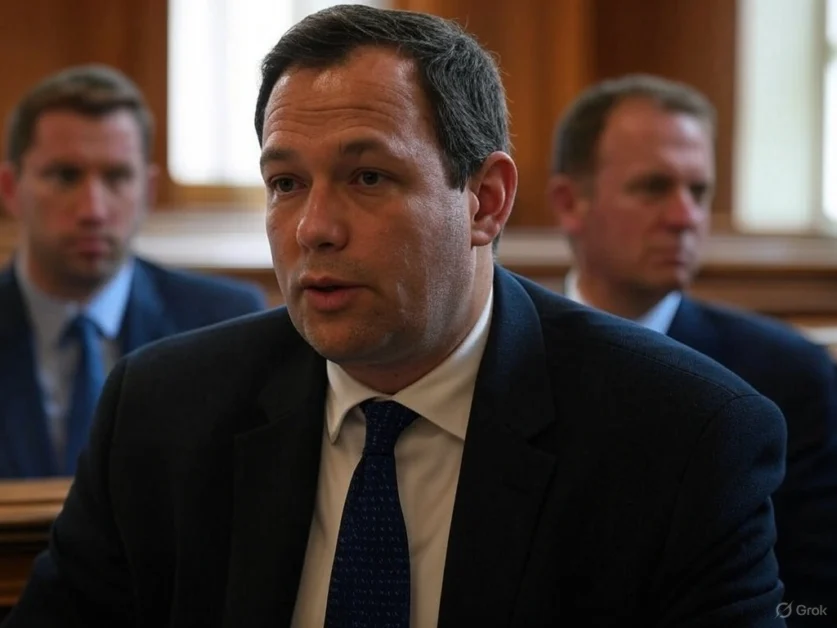
Experts highlight 5 core Michael Peterson trial attorney tips: attack forensic reliability, challenge timelines, undermine motive, control narrative, and amplify reasonable doubt. The case shows how expert testimony and disciplined cross-examination can shift juror perception in a murder trial. This article breaks down these tactics and how they apply to high-stakes homicide defenses. The Michael […]
February 24, 2026•By Attorneys.Media Editorial Staff
Learn the 5 essential stages of any trial process: pre-trial preparation, jury selection, opening statements, evidence presentation, and closing arguments. This guide covers criminal cases including DUI trial process, conspiracy trial process, and sex crime trial process, plus civil matters.
Brain injury lawyers often work with 3–6 medical experts to prove causation, severity, and future care needs in a TBI claim. These specialists review records, provide reports, and testify to connect the accident to long-term medical costs and disability. This article explains which experts are used, how they support evidence, and how that impacts settlement […]
Preparedness is essential in a legal career because most case outcomes are shaped before court through early analysis, research, and planning. It reduces mistakes under pressure and improves strategic decision-making when crises arise. This article explains how lawyers develop preparedness and why it matters in high-stakes moments. What makes someone good in a crisis? Is […]
Prosecutorial misconduct can justify an appeal or dismissal when it violates due process, and courts may reverse convictions if the error was not harmless beyond a reasonable doubt. Common examples include Brady/Giglio violations, improper closing arguments, and knowingly presenting false testimony. This article explains key misconduct categories, legal standards, and remedies defendants can seek. The […]
Voir dire typically allows 30–60 minutes per jury panel to ask voir dire questions that uncover bias and juror suitability. Asking targeted, case-specific questions helps attorneys identify attitudes and experiences that affect impartiality and supports informed challenges. This article covers core question types, red flags, and practical jury selection tactics. The process of voir dire […]
An alibi defense can defeat a charge if you prove you were somewhere else at the exact time of the alleged crime with credible, verifiable evidence. Strong alibis combine time-stamped records (video, GPS, transactions) with witness testimony to create a clear timeline and expose gaps in the prosecution’s case. This article explains how to build, […]
January 26, 2025•By Attorneys.Media Editorial Staff
To win in small claims court, you need credible evidence, a clear timeline, and a damages total backed by receipts or records. Judges decide on documents and concise testimony, so preparation and procedure matter as much as the facts. This article covers filing, service, evidence, hearing tactics, and collecting on a judgment. Navigating the small […]
January 5, 2025•By Attorneys.Media Editorial Staff
Criminal contempt can result in immediate sanctions, including up to 6 months in jail without a jury trial in many cases. Courts use it to punish willful disobedience of court orders or conduct that disrupts proceedings and threatens judicial authority. This article explains what qualifies as criminal contempt, typical penalties, and key defenses. The concept […]
December 13, 2024•By Attorneys.Media Editorial Staff
RICO racketeering charges can be based on a “pattern” of at least 2 predicate acts within 10 years tied to an enterprise. A strong defense often challenges enterprise/pattern proof, predicate-act evidence, intent, and seeks dismissal, severance, or suppression. This article explains RICO elements, common predicate offenses, penalties, and proven defense strategies. The Racketeer Influenced and […]