Arson
<a href="https://attorneys.media"><img class="aligncenter size-full wp-image-32338" src="http://attorneys.media/wp-content/uploads/2023/12/Arson.jpg" alt="Expert Legal Counsel for Arson Case Representation" width="1024" height="1024" /></a>
<strong>Effective Legal Strategies for Defending Against Arson Charges</strong>
In the realm of criminal law, arson stands out as a particularly serious offense, characterized by the intentional setting of fires to property. With the gravity of such charges, it becomes imperative for those accused to seek expert legal defense. This comprehensive article delves into the intricacies of arson charges and underscores the importance of professional legal representation.
<strong>Defining Arson in Legal Terms</strong>
Arson, by legal definition, involves the willful and malicious burning or charring of property. While the most common image that comes to mind is the setting fire to buildings, arson can also include other types of property such as vehicles or forest land. The severity of arson charges can vary based on factors like the presence of intent, the type of property involved, and whether the act endangered human life.
<strong>The Critical Role of Legal Representation</strong>
The role of legal professionals in arson cases is multifaceted and indispensable. Experienced defense attorneys assess the validity of the charges, scrutinizing every detail of the prosecution's case. Their expertise is crucial in identifying weaknesses in the evidence, challenging the methodology used in fire investigations, and questioning the interpretation of motives and actions.
<strong>Developing a Robust Defense Strategy</strong>
Effective defense strategies are tailored to the specifics of each case. Attorneys may argue the absence of intent to commit arson, point out flaws in the prosecution’s evidence, or highlight an alibi that exonerates the accused. In some cases, the defense may revolve around the accused's mental state at the time of the alleged crime, exploring avenues such as insanity or diminished capacity defenses.
<strong>Investigative Techniques in Arson Cases</strong>
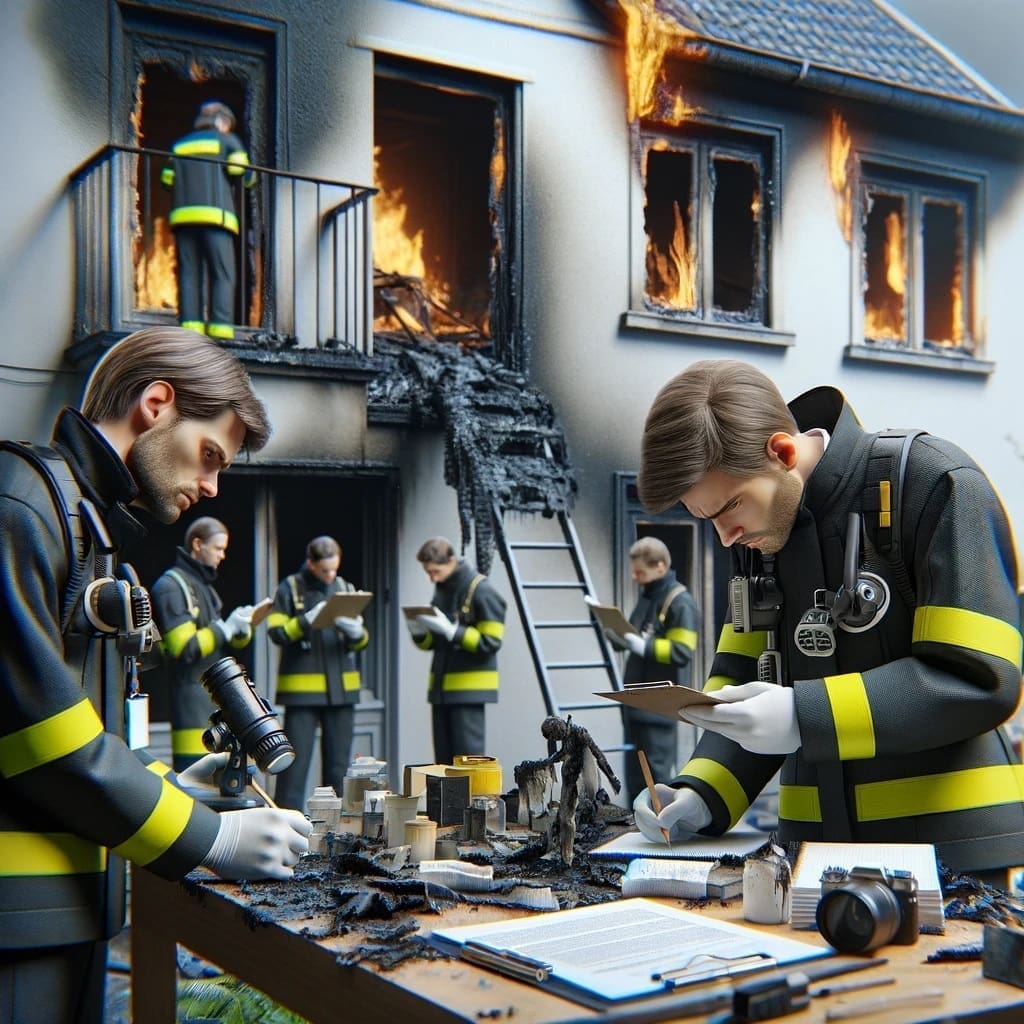
Arson cases often hinge on the findings of fire investigations. Defense lawyers work closely with forensic experts to analyze these findings. They scrutinize the methods used to determine the fire's origin and cause, looking for inconsistencies or oversights that could cast doubt on the conclusions drawn by prosecutors.
<strong>The Impact of Arson Charges and Convictions</strong>
The repercussions of an arson conviction can be life-altering. Depending on the jurisdiction and the severity of the offense, penalties can range from substantial fines to lengthy prison sentences. In cases where arson results in bodily harm or death, the accused may face even more severe charges, such as manslaughter or murder.
<strong>Mitigating Factors and Plea Bargains</strong>
In some situations, defense attorneys may negotiate plea bargains, where the accused pleads guilty to a lesser charge in exchange for a reduced sentence. This approach is often considered when the evidence against the accused is overwhelming or when it's in the best interest of the client to avoid the risks of a trial.
<strong>Conclusion</strong>
Facing arson charges requires a nuanced and knowledgeable legal defense. It’s a situation where experienced legal representation is not just beneficial; it’s crucial. By engaging skilled defense attorneys, individuals accused of arson can ensure that their rights are protected, and they receive a fair and just trial.
4 posts