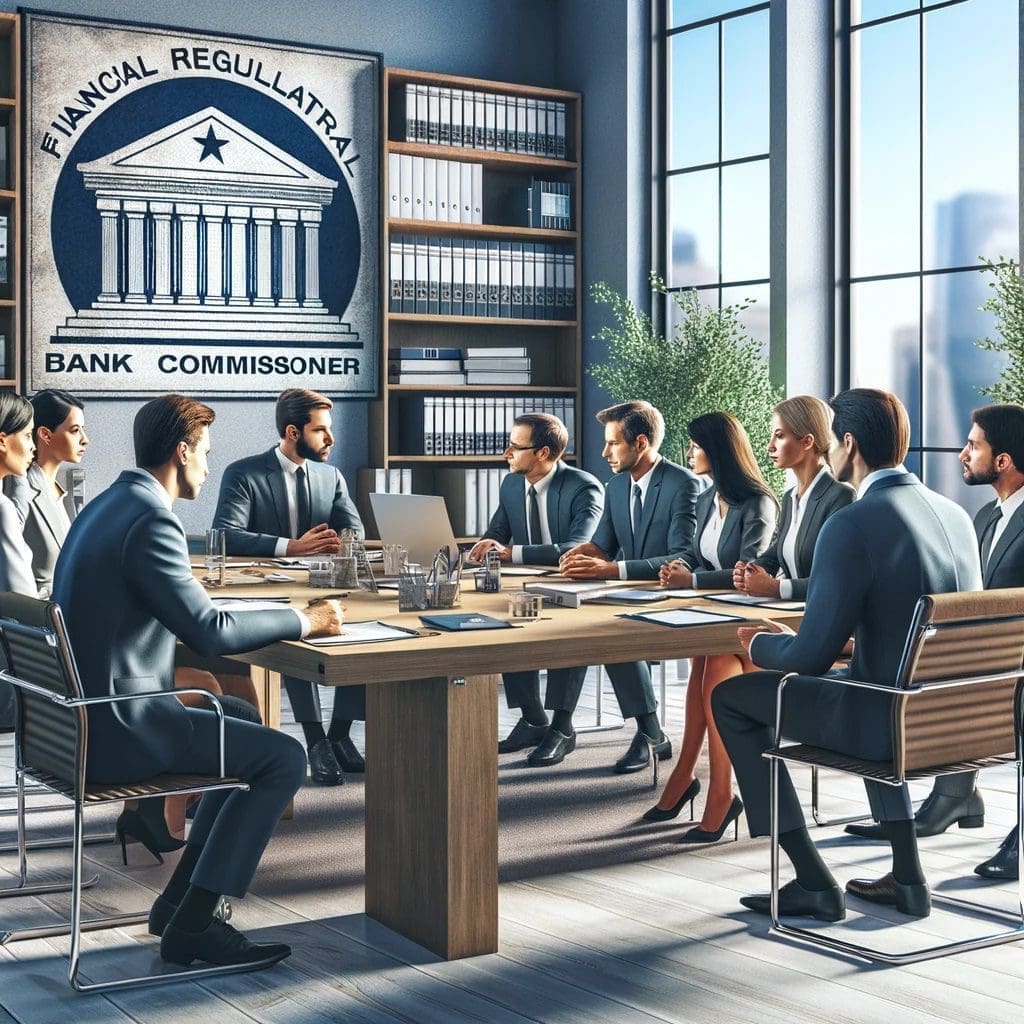
Banking institutions in the U.S. are regulated by multiple agencies under federal laws like the Bank Secrecy Act and state banking codes. Compliance typically includes AML programs, KYC/Customer Identification, cybersecurity safeguards, and regular examinations by regulators. This article explains the legal framework, oversight bodies, and core security and compliance duties for banks and similar institutions. […]
Read More
Understanding the Legal Implications of Banking Days in Financial Transactions
In U.S. financial transactions, “banking days” generally mean Monday through Friday, excluding federal holidays, and they can determine when deposits clear, payments post, or notices are deemed received. These timing rules affect everything from wire transfers and ACH payments to interest calculations and late-fee assessments. This article explains how banking days are defined, where the […]
Read More
Understanding Banking Hours: A Comprehensive Guide to Financial Timing
Most U.S. bank branches keep banking hours around 9 a.m.–5 p.m., Monday–Friday, with limited Saturday hours and many closures on Sundays. Cutoff times for deposits and wire transfers can be earlier than lobby hours, affecting posting dates and contractual deadlines. This article explains standard schedules, variations, and timing tips for consumers and businesses. In the […]
Read More
Exploring the Legal Framework of Banking Organizations for Stability and Trust
Banking organizations typically face oversight from at least 1 primary regulator and must meet capital and liquidity requirements to operate. These legal rules protect depositors, reduce systemic risk, and enforce fair lending and disclosure standards. This article explains key regulatory structures, compliance duties, and how laws build stability and trust across banking services. Navigating the […]
Read More
Bank Account Trusts: Balancing Legal Duties and Beneficiary Rights
A bank account trust (Totten trust) passes the account balance directly to the named beneficiary at death, typically avoiding probate. The depositor keeps full control during life, but withdrawals or changes can trigger fiduciary, fraud, or undue influence disputes. This article explains legal duties, beneficiary rights, and civil/criminal risks in setting up and contesting these […]
Read More
Bank for International Settlements: Central to Global Financial Harmony
The Bank for International Settlements (BIS) is the world’s oldest international financial institution and a key forum for coordination among central banks. Headquartered in Basel, Switzerland, it promotes monetary and financial stability by facilitating cooperation and setting influential global standards. This article explains the BIS’s legal status, governance, core functions, and how its committees and […]
Read More
The Critical Role of Bank Calls in Banking Regulation and Oversight
A bank call report (FFIEC 031/041) is a mandatory quarterly filing every insured U.S. bank submits to federal regulators. It captures standardized financial and risk data used to assess capital adequacy, liquidity, and overall safety and soundness. This article explains what bank calls are, who requires them, what they contain, and why they matter for […]
Read More
Understanding the Accusatorial System in Legal Proceedings
The accusatorial system is a party-driven trial model where the prosecution bears the burden of proof and must prove guilt beyond a reasonable doubt. A neutral judge or jury acts as fact-finder while prosecution and defense present and challenge evidence. This article outlines its core principles, roles, and key differences from the inquisitorial system. The […]
Read More
Exploring the Role of Bank Commissioners in Banking Regulation and Consumer Protection
A bank commissioner is a state-appointed regulator who supervises banks and enforces state banking laws to protect consumers and financial stability. They license institutions, conduct examinations, investigate misconduct, and can issue administrative orders and penalties. This article explains core duties, civil/criminal enforcement touchpoints, and consumer protection impacts. The role of a Bank Commissioner is integral […]
Read More
Navigating Bank Collection in Civil and Criminal Law: Understanding Legal Procedures and Debtor Rights
Bank collection is usually a civil process where creditors sue for a judgment and can pursue wage garnishment or bank levies. Criminal law applies only when there’s evidence of fraud, theft, or bad-check conduct—not mere nonpayment. This article explains the procedures, debtor defenses, and how civil collections can overlap with criminal investigations. Navigating the complex […]
Read More
Navigating the Legal Landscape of Bank Credit: Rights and Responsibilities
Bank credit is regulated by federal rules like the FTC Credit Practices Rule and carries criminal exposure when used for fraud or theft. Consumers have enforceable rights to fair lending, accurate reporting, and lawful collection practices, while borrowers must comply with contract terms. This article explains the civil protections, regulatory framework, and criminal implications of […]
Read More
Achieving an Acquittal: Navigating Your Legal Defense Successfully
An acquittal happens when the prosecution fails to prove guilt beyond a reasonable doubt (the highest criminal standard). Effective defenses target weak evidence, unlawful procedure, unreliable witnesses, and constitutional violations to create reasonable doubt. This article explains the key legal pathways and defense strategies used to pursue an acquittal. Acquittal is a term that resonates […]
Read More