Court Trial

<a href="https://attorneys.media"><img class="aligncenter size-full wp-image-32432" src="http://attorneys.media/wp-content/uploads/2023/12/Court-Trial.jpg" alt="The Heart of Justice: Intense Moments in a Courtroom Setting" width="1024" height="1024" /></a> <h4>A Comprehensive Guide to Legal Strategies and Outcomes</h4> Navigating the legal landscape of <strong>court trials</strong> can be daunting. Whether you're a legal professional or someone with a vested interest in the outcome of a trial, understanding the key elements and strategies involved is crucial. Court trials are the epitome of the legal process, where disputes are settled, and justice is served. At the heart of every trial is the pursuit of truth, guided by stringent legal principles and practices. The procedure typically involves the presentation of evidence, witness testimonies, and the intricate interplay of legal arguments. A critical aspect of any court trial is the selection of a competent legal team. Lawyers skilled in litigation strategies play a pivotal role in shaping the trial's direction. They employ various tactics, from meticulous examination of evidence to persuasive argumentation, to sway the judge or jury's decision in their client's favor. The role of evidence cannot be overstated in court trials. It's the backbone of the legal argument, offering tangible proof to support or refute claims. The admissibility and reliability of evidence are often hotly contested, making the expertise of legal counsel invaluable. Witness testimonies provide another layer to the trial's narrative. Witnesses, whether eyewitnesses or experts in a particular field, offer insights that can significantly impact the trial's outcome. The ability of attorneys to effectively examine and cross-examine witnesses is a testament to their legal acumen. Jury deliberations are another critical component. In trials where a jury is present, these individuals, selected from the community, bear the responsibility of delivering a verdict based on the evidence and arguments presented. Their impartiality and judgment are fundamental to the trial's fairness and integrity. The verdict, whether delivered by a judge or jury, marks the culmination of the trial. It reflects a careful consideration of all presented facts, testimony, and legal arguments. The outcome can have far-reaching implications, not just for the parties involved but also for legal precedents and societal norms. In conclusion, court trials are complex and multifaceted. They require a deep understanding of legal principles, a strategic approach to presenting arguments and evidence, and an unwavering commitment to justice. For those involved, the experience can be both challenging and enlightening, offering a unique insight into the workings of the legal system. To expand further, let's delve into the post-trial processes. After a verdict is reached, the sentencing phase begins if applicable. This phase determines the consequences for the convicted party. Sentencing can range from fines and community service to imprisonment, depending on the severity of the crime and legal statutes. Additionally, the right to appeal is an essential aspect of the legal system. Parties dissatisfied with the trial outcome can seek a higher court's review, offering another layer of scrutiny and ensuring the justice system's checks and balances. In all, court trials embody the rule of law and the pursuit of justice, serving as pillars of a democratic society.

44 posts
Are Court Trials Better Than Jury Trials for My Case?

Are Court Trials Better Than Jury Trials for My Case?

Court trials aren’t inherently better than jury trials—your best option depends on your case type, the key legal issues, and how persuasive your evidence and witnesses will be to a judge versus a jury. Bench trials can be faster and more predictable, while jury trials may favor cases driven by credibility, emotion, and community standards. […]
Read More
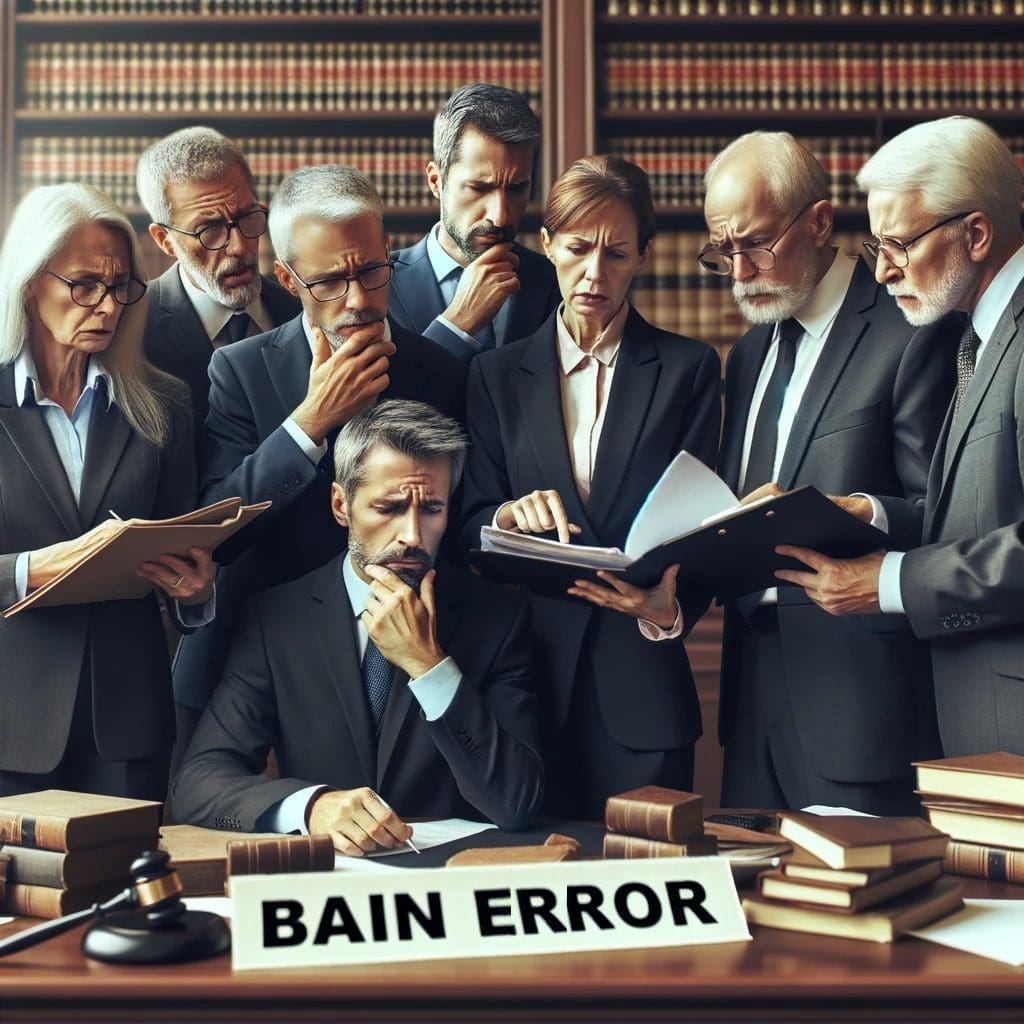
How Defense Attorneys Challenge Bain Error on Appeal

How Defense Attorneys Challenge Bain Error on Appeal

Defense attorneys challenge Bain Error on appeal by showing 2 key points: improper prosecutorial vouching occurred and it likely affected the verdict. They cite trial transcripts and controlling precedent to argue prejudice and request reversal, a new trial, or other relief. This article explains the legal standard, preservation issues, and best appellate strategies. In the […]
Read More
Why Are Case Management Conferences Important in Litigation?

Why Are Case Management Conferences Important in Litigation?

A case management conference is important because it sets a court-approved schedule with firm deadlines for discovery, motions, and trial. It also helps narrow disputed issues, encourages settlement discussions, and prevents unnecessary delay. This article explains what happens at a CMC and how it affects civil and criminal litigation strategy. The Case Management Conference (CMC), […]
Read More
Securing Your Rights: How to Find the Best Criminal Defense Lawyer

Securing Your Rights: How to Find the Best Criminal Defense Lawyer

The best criminal defense lawyer for your case is typically one with substantial experience in your specific charges, a strong local court track record, and clear, documented client results. Because early decisions—often within the first 24–48 hours after arrest—can affect bail, evidence preservation, and potential defenses, choosing counsel quickly and carefully matters. This article explains […]
Read More
Mastering Court Procedures: A Comprehensive Guide to Navigating Legal Systems

Mastering Court Procedures: A Comprehensive Guide to Navigating Legal Systems

Navigating court procedures means following a structured sequence of filings, deadlines, hearings, and evidence rules that govern how a case moves from start to finish. Missing a required step—such as proper service of process or a key deadline—can delay your case or lead to dismissal. This guide explains the court process from filing and service […]
Read More
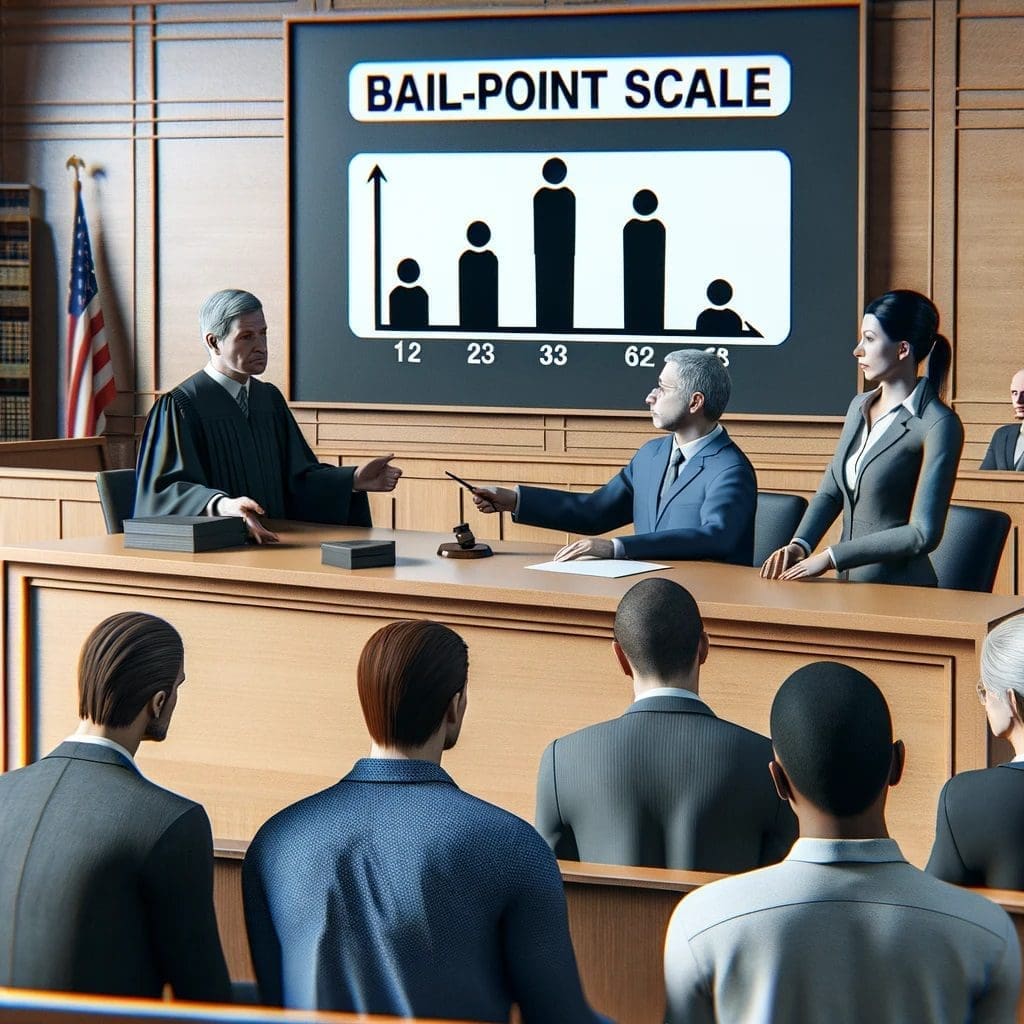
Can You Challenge Your Bail-Point Score?

Can You Challenge Your Bail-Point Score?

Yes—if your bail-point score was calculated using incorrect or outdated information, you can ask the court to review and correct it, and a judge may adjust release conditions. Bail-point systems rely on arrest details, prior history, and risk factors, so even small errors can raise a score and lead to higher bail or detention. This […]
Read More
Expert Criminal Defense Lawyers: Champions of Your Rights and Freedom

Expert Criminal Defense Lawyers: Champions of Your Rights and Freedom

Expert criminal defense lawyers help protect your rights and reduce charges, penalties, or jail time in criminal cases. They investigate facts, challenge evidence, negotiate with prosecutors, and defend you at trial when needed. This article explains what top criminal defense attorneys do and how they safeguard your freedom. In the intricate world of the legal […]
Read More
Bail Bonds Explained: Securing Your Release from Custody

Bail Bonds Explained: Securing Your Release from Custody

Bail bonds typically require paying a nonrefundable premium of about 10% of the full bail amount to a licensed bail agent to secure release. The defendant must follow all court conditions or the bond can be forfeited and collateral may be at risk. This article explains how the bail process works, bond types, costs, and […]
Read More
Sex Crimes: Understanding the Legal Process and Defenses

Sex Crimes: Understanding the Legal Process and Defenses

Sex crimes cases typically move through 6 key stages: investigation, arrest/charges, arraignment, pretrial motions, trial, and sentencing/appeal. Defenses may include consent, mistaken identity, false accusation, alibi, and suppression of unlawful evidence. This article explains the process, penalties, and common defense strategies from accusation through appeal. Sex crimes are among the most serious offenses in the […]
Read More
White Collar Crime: Navigating Complex Legal Challenges

White Collar Crime: Navigating Complex Legal Challenges

White collar crimes are non-violent financial offenses, with fraud accounting for the largest share of cases investigated each year. They often involve complex paper trails, digital evidence, and multi-agency probes that raise high-stakes exposure for individuals and companies. This article outlines common charges, how investigations unfold, and defense and compliance strategies. White collar crime encompasses […]
Read More
Drug Possession Laws: Penalties and Legal Options Explained

Drug Possession Laws: Penalties and Legal Options Explained

Drug possession penalties can range from a civil fine to several years in jail, depending on the drug schedule, amount, and prior record. Most states also recognize defenses like unlawful search, lack of knowledge, or diversion eligibility. This article explains CSA scheduling, state-by-state charge factors, sentencing ranges, and practical legal options. Drug possession laws in […]
Read More
Scroll to Top