Burglary
<a href="https://attorneys.media"><img class="aligncenter size-full wp-image-32343" src="http://attorneys.media/wp-content/uploads/2023/12/Burglary.jpg" alt="Expert Legal Representation for Burglary Allegations" width="1024" height="1024" /></a>
<strong>Effective Strategies for Defending Against Burglary Charges</strong>
Burglary, a serious criminal offense, involves unauthorized entry into a building or property with the intent to commit a crime. This article provides insights into the legal aspects of burglary charges and highlights the importance of expert legal counsel.
<strong>Understanding Burglary Charges</strong>
Legally, burglary is defined not just by breaking and entering but also by the intent to commit theft or any other felony inside the premises. The complexity of burglary charges lies in proving the intent and the act of unauthorized entry, making legal expertise crucial for anyone accused of this crime.
<strong>The Role of Legal Professionals in Burglary Cases</strong>
Legal professionals specializing in criminal defense play a vital role in burglary cases. They analyze the case's specifics, scrutinize the evidence, and develop a robust defense strategy. Experienced attorneys are adept at challenging the prosecution's claims regarding intent and unauthorized entry.
<strong>Defense Strategies in Burglary Cases</strong>
Effective defense strategies in burglary cases may include questioning the intent to commit a crime, challenging the evidence of unauthorized entry, or arguing for the lack of sufficient proof. Legal experts also explore avenues like mistaken identity or wrongful accusations.
<strong>The Importance of Early Legal Representation</strong>
Securing legal representation early in the process is critical. An attorney can provide invaluable guidance during police interrogations, ensuring the accused's rights are protected. Early legal involvement can significantly influence the case's direction and outcome.
<strong>Challenging Evidence in Burglary Cases</strong>
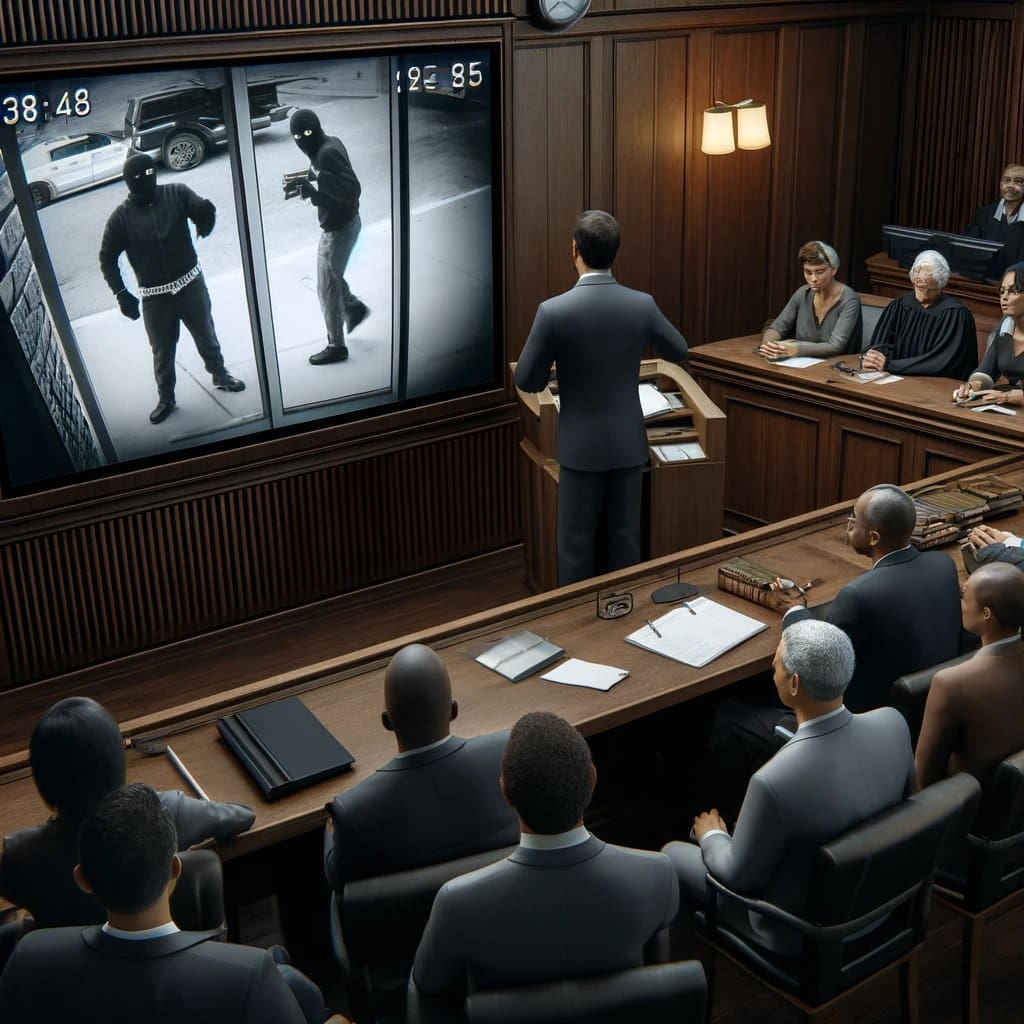
Defense attorneys often focus on challenging the prosecution's evidence, which may include forensic evidence, witness testimonies, and surveillance footage. They scrutinize every detail to ensure the accused receives a fair trial.
<strong>Potential Penalties and Consequences</strong>
The penalties for burglary can vary greatly, ranging from fines and probation to imprisonment. The severity of the penalties often depends on factors such as the nature of the burglary, the defendant's criminal history, and whether any additional crimes were committed.
<strong>Negotiating Plea Bargains</strong>
In some burglary cases, negotiating a plea bargain may be the best strategy. Defense attorneys work to negotiate the most favorable terms possible, considering the strength of the prosecution's case and the interests of their client.
<strong>Conclusion</strong>
Burglary charges carry significant legal and personal implications. However, with expert legal support, individuals accused of burglary can effectively navigate these challenges. Skilled legal representation is essential in ensuring a fair trial and the best possible defense.
15 posts