Court Hearing
<a href="https://attorneys.media"><img class="aligncenter size-full wp-image-32429" src="http://attorneys.media/wp-content/uploads/2023/12/court-hearing.jpg" alt="Capturing the Essence of Courtroom Proceedings: A Moment in Legal Time" width="1024" height="1024" /></a>
<h4>Navigating the Court Hearing Process: Essential Preparation and Strategies</h4>
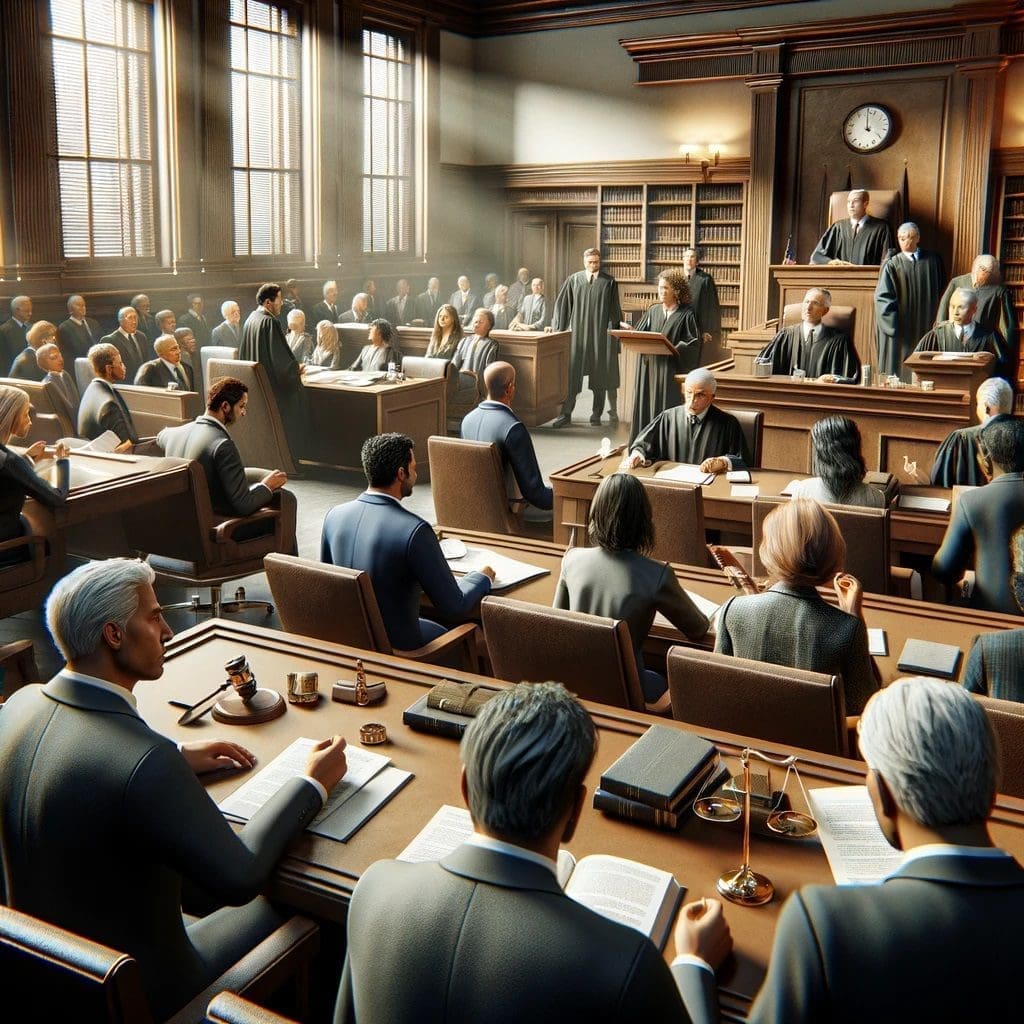
A <strong>court hearing</strong> is a critical juncture in any legal process, whether it be for civil, criminal, or administrative matters. Understanding the nuances of a court hearing and adequately preparing for it is vital for anyone involved in legal proceedings.
First and foremost, understanding the nature of your court hearing is crucial. Different types of hearings—preliminary hearings, motion hearings, trials—serve different purposes and require specific preparation. Familiarizing yourself with the legal issues at hand and the procedural aspects of your hearing can significantly impact the outcome.
Legal preparation is the cornerstone of readiness for a court hearing. This includes reviewing the facts of your case, understanding the relevant laws, and consulting with your attorney. Your legal team will play a pivotal role in preparing your arguments, evidence, and witnesses, if necessary.
Courtroom etiquette is another critical aspect. This encompasses appropriate dress code, punctuality, and respectful behavior towards the judge, court staff, and opposing parties. Proper courtroom conduct not only reflects well on your case but also ensures a smooth proceeding.
If you are required to speak or testify, practicing your statements or testimony is essential. Being clear, concise, and honest while speaking is vital. If you are uncertain about a question, it's better to say so than to speculate or guess.
Documentary preparation is equally important. Ensure that all necessary documents, from evidentiary materials to legal filings, are organized and accessible. Missing documents can cause unnecessary delays and negatively impact your case.
Understanding the potential outcomes of your hearing can help manage expectations and prepare for post-hearing steps. Whether it's a ruling, a continuance, or a settlement, knowing what could happen next helps in planning your legal strategy.
In addition to these preparations, emotional readiness should not be overlooked. Court hearings can be stressful, so finding ways to manage stress and maintain composure is beneficial.
The role of technology, especially in the era of virtual hearings, has become increasingly important. Familiarize yourself with the technology being used, such as video conferencing tools, and ensure you have a reliable internet connection and a quiet, private space for the hearing.
In conclusion, effectively navigating a court hearing requires thorough preparation, understanding of legal procedures, and appropriate courtroom behavior. With the right approach and guidance, you can confidently handle your court hearing.
32 posts