Manslaughter

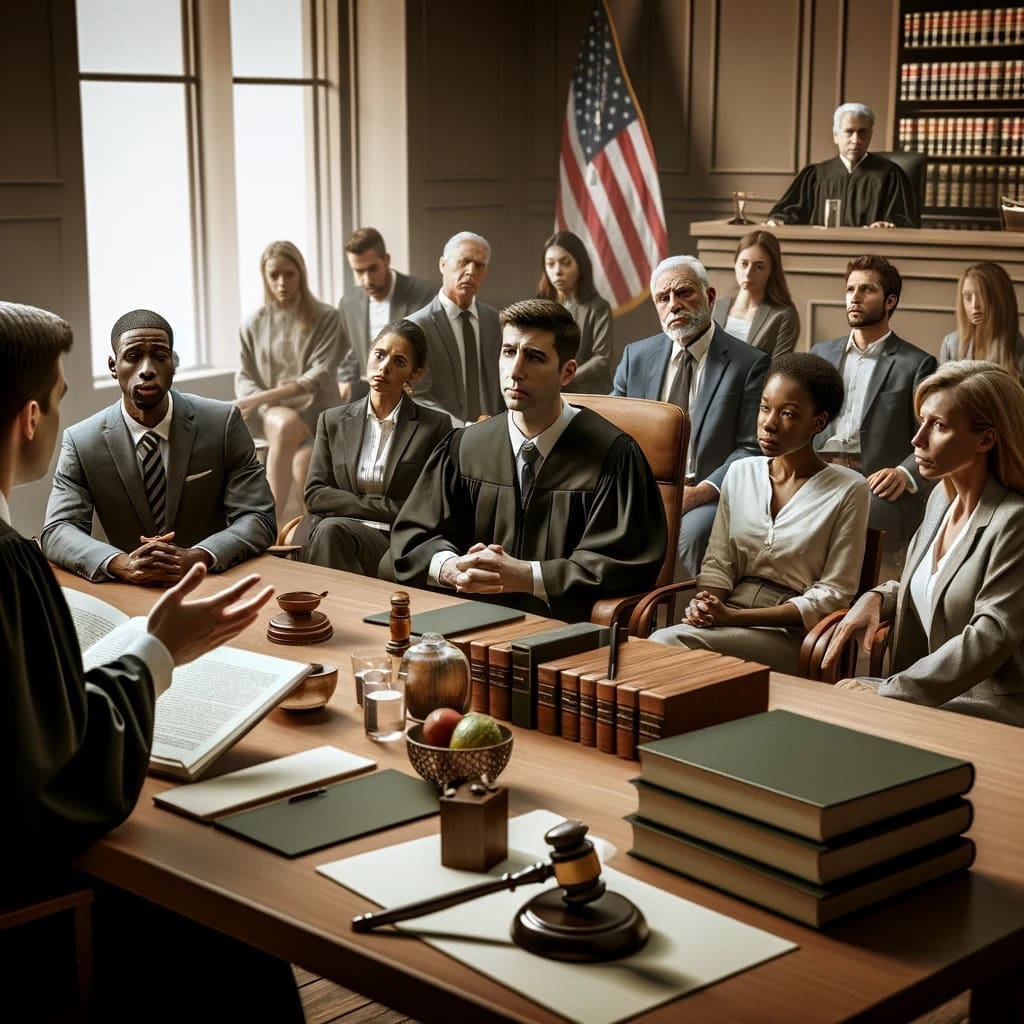
<a href="https://attorneys.media"><img class="aligncenter size-full wp-image-32396" src="http://attorneys.media/wp-content/uploads/2023/12/Manslaughter.jpg" alt="Artistic Depiction of Legal Dynamics in Manslaughter Trials" width="1024" height="1024" /></a> <h4>Expert Legal Approaches to Manslaughter Cases: Strategies and Law</h4>   Manslaughter, a significant charge in criminal law, involves the unlawful killing of another person without premeditation. This article provides a thorough analysis of legal strategies in manslaughter cases, offering insights into both the defense and prosecution aspects of these serious charges. The legal distinction between manslaughter and other forms of homicide lies in the absence of premeditation or malice aforethought. Manslaughter is often categorized into voluntary and involuntary, with each carrying different legal connotations and consequences. Legal professionals dealing with manslaughter cases must have a deep understanding of these distinctions and the specific statutes relevant to each. Defense strategies in manslaughter cases often hinge on demonstrating the lack of intent to kill or cause serious harm. In cases of voluntary manslaughter, defense attorneys may argue provocation or a heat of passion scenario, suggesting that the defendant's actions, while illegal, were a response to a significant provocation. Involuntary manslaughter cases may involve arguments around accidental occurrences or lack of negligence, indicating that the death was a tragic but unforeseeable consequence of the defendant's actions. For individuals accused of manslaughter, legal advice and representation are crucial. Legal consultations typically involve discussing the specifics of the case, potential defenses, and the implications of a conviction. These convictions can carry severe penalties, including lengthy prison sentences, making effective legal representation essential. Prosecutors in manslaughter cases focus on proving the defendant's culpability, often emphasizing negligence or recklessness. In voluntary manslaughter cases, the prosecution may work to refute claims of provocation, while in involuntary cases, they might demonstrate a disregard for life or safety standards by the defendant. The article also discusses the emotional and societal impacts of manslaughter cases. Legal professionals must navigate these cases with an understanding of the psychological effects on all parties involved, including the victim's family and the broader community. In conclusion, manslaughter cases demand a comprehensive legal approach, encompassing thorough knowledge of criminal law, strategic case handling, and an understanding of the broader societal implications. Whether working on the defense or prosecution, legal professionals play a crucial role in ensuring that justice is served in these complex cases.

10 posts

What is manslaughter?

What is manslaughter?

Manslaughter is a criminal homicide where someone causes another person’s death without the intent required for murder, typically charged as voluntary or involuntary manslaughter. The difference often turns on factors like provocation, recklessness, or criminal negligence, and penalties vary widely by state and case facts. This article explains the legal definition, key elements, common defenses, […]
Read More
Seeking Justice Wrongful Death: A Comprehensive Guide to Legal Rights and Constitutional Protections

Seeking Justice Wrongful Death: A Comprehensive Guide to Legal Rights and Constitutional Protections

Seeking justice wrongful death lets eligible survivors file a civil lawsuit for monetary damages—often including medical bills, funeral costs, and lost income. Constitutional protections like due process and equal protection apply throughout litigation, including fair notice and an opportunity to be heard. This guide covers who can sue, deadlines, damages, evidence, and how the case […]
Read More
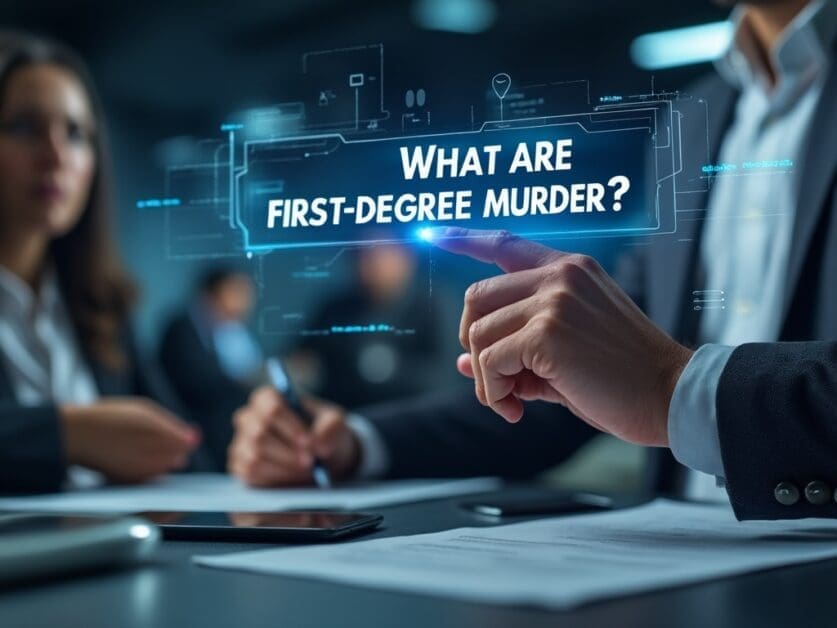
What Are First-Degree Murder?

What Are First-Degree Murder?

First-degree murder is the intentional, premeditated killing of another person, and in many states it also includes certain felony murders (killings committed during specific serious felonies). It is typically the most serious homicide charge and often carries the harshest penalties, including life in prison or, in some jurisdictions, the death penalty. This article explains the […]
Read More
Can You File a Wrongful Death Claim? Find Out Now

Can You File a Wrongful Death Claim? Find Out Now

Yes—eligible family members or a personal representative can often file a wrongful death claim when negligence or misconduct causes a loved one’s death, but strict deadlines (often 1–3 years) apply. Who may sue and what damages are recoverable vary by state and by the relationship to the deceased. This article explains eligibility, proof requirements, common […]
Read More
Comprehensive Legal Guide to Autopsies: Rights, Procedures, and Legal Insights

Comprehensive Legal Guide to Autopsies: Rights, Procedures, and Legal Insights

An autopsy is a medical exam performed after death to determine cause and manner of death, usually by a forensic pathologist. In most jurisdictions, medical examiners can order one without family consent in suspicious, sudden, or unattended deaths, while private autopsies can be requested by next of kin. This article covers legal authority, family rights, […]
Read More
Understanding Manslaughter: Legal Insights and Defense Strategies

Understanding Manslaughter: Legal Insights and Defense Strategies

Manslaughter is generally charged in two main forms: voluntary and involuntary, distinguished by intent and circumstances rather than premeditation. Voluntary manslaughter often involves heat-of-passion provocation, while involuntary manslaughter typically stems from reckless or negligent conduct. This article explains types, penalties, defenses, and how technology affects manslaughter cases. Manslaughter is considered one of the most serious […]
Read More
Understanding Homicide Laws: An In-depth Legal Exploration

Understanding Homicide Laws: An In-depth Legal Exploration

Homicide is generally classified into at least two main categories—murder and manslaughter—based on intent and surrounding circumstances. Jurisdictions also recognize justified homicide (such as lawful self-defense) that may eliminate criminal liability. This article explains core legal definitions, common defenses, and the consequences of a homicide conviction. Homicide, the act of one human taking the life […]
Read More
DNA GOES TO COURT – ll

DNA GOES TO COURT – ll

DNA has been used in law enforcement since 1985 to identify individuals through unique genetic profiles. In court, it can strongly link a suspect to evidence, but experts still dispute interpretation, lab practices, and statistical certainty. This article reviews those debates and how DNA testimony impacts criminal prosecutions. Second Of A Three-Part Series By John […]
Read More
MAN versus DOG

MAN versus DOG

“MAN versus DOG” is a legal dispute between a person and a dog owner or handler, most often arising from a dog bite or attack and typically decided under strict liability or negligence rules set by state law. Outcomes commonly turn on provable injury damages, the dog’s history, and any defenses like provocation or trespass. […]
Read More
PRESUMED GUILTY:

PRESUMED GUILTY:

“Presumed Guilty” argues the jury missed key evidence in Scott Peterson’s trial and contends he should not face a death sentence. It features a 2007 interview with author Matt Dalton by journalist Bill Bickel, exploring disputed facts and legal issues. This article reviews the book and summarizes the interview’s central claims about the Laci Peterson […]
Read More
Scroll to Top