Police

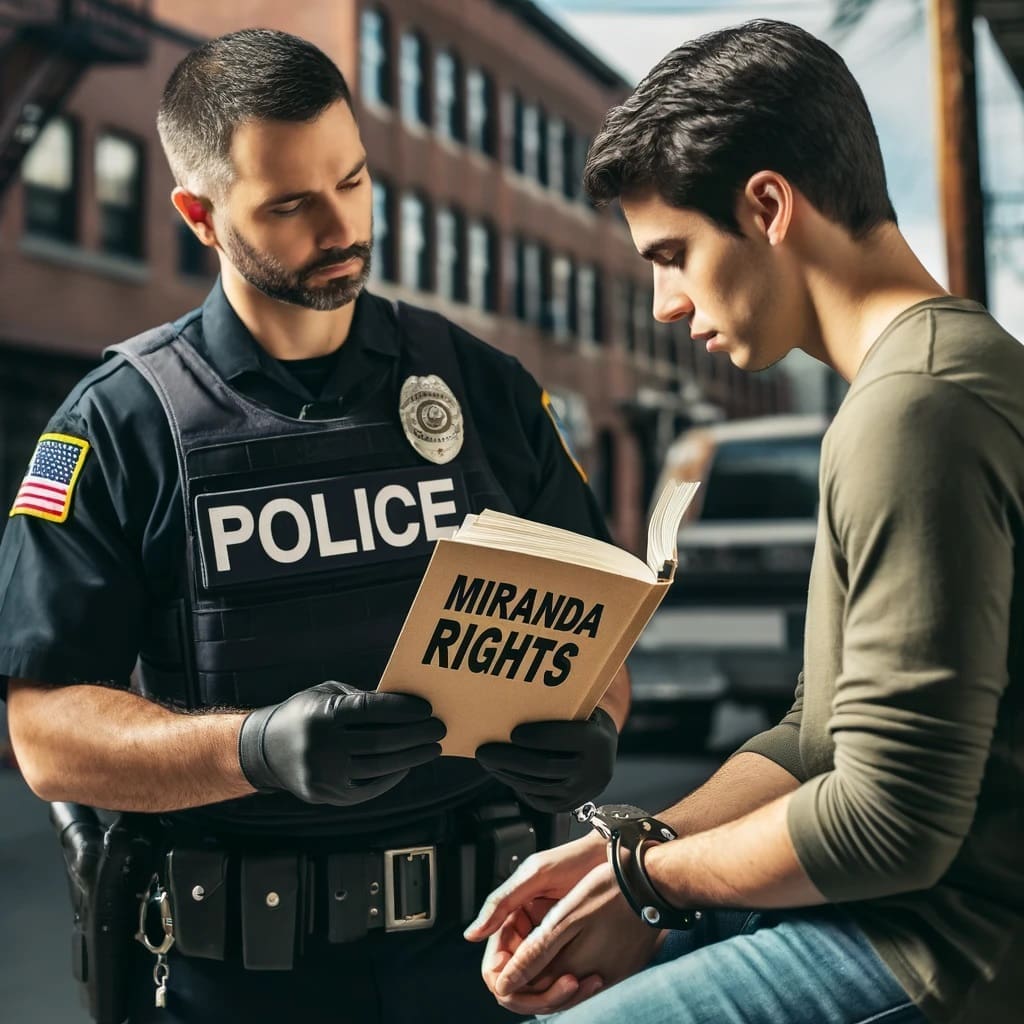
<a href="https://attorneys.media"><img class="aligncenter size-full wp-image-32456" src="http://attorneys.media/wp-content/uploads/2023/12/Police.jpg" alt="Balancing Police Work and Civil Liberties: A Training Session" width="1024" height="1024" /></a> <h4>Police in the Legal Framework: Balancing Enforcement and Rights</h4>   The role of <strong>police</strong> in society is pivotal, and understanding the legal intricacies of their operations is essential. This article explores the balance between police duties and public rights, focusing on legal frameworks and individual liberties. Police are empowered to enforce the law, maintain public order, and protect citizens. This power, however, comes with a significant responsibility to uphold the law and respect individual rights. Legal guidelines and training are crucial to ensure that police actions are lawful and just. One of the critical aspects of police operations is the adherence to legal protocols during arrests, searches, and interrogations. Police must follow procedures set by law to protect individuals’ constitutional rights, such as the right to remain silent and the right to an attorney. The use of force by police is a highly scrutinized topic. Legally, police are allowed to use force when necessary and proportionate to the threat encountered. The legal standards for the use of force are designed to prevent abuse and protect both officers and citizens. Community policing strategies also play a significant role in legal dynamics. These strategies focus on building trust and cooperation between police and communities, emphasizing the importance of understanding and respecting diverse backgrounds and experiences. Legal challenges in policing often arise from issues like racial profiling, privacy concerns, and the need for transparency and accountability. Addressing these challenges requires ongoing legal review, community engagement, and policy reform. In conclusion, the legal framework surrounding police operations is complex, encompassing a range of duties and rights. Understanding these legal aspects is crucial for both law enforcement professionals and the public. Moreover, technological advancements have introduced new legal considerations in policing. The use of body cameras, drones, and digital surveillance tools requires careful legal regulation to balance law enforcement needs and privacy rights. Training and education in legal aspects are vital for police officers. Regular training on legal updates, ethical standards, and community relations is essential for effective and lawful policing. Civilian oversight mechanisms, such as police review boards, also play a critical role in ensuring legal compliance and building public trust. These bodies review police actions and provide a platform for public accountability. Lastly, the evolving nature of crimes, such as cybercrimes and transnational offenses, poses new legal challenges for police. Adapting to these changes while respecting legal norms and human rights is key to effective law enforcement in the modern era. In summary, police operations in the legal landscape involve a delicate balance between enforcing the law and respecting individual rights. Continuous legal education, community collaboration, and accountability mechanisms are essential for upholding justice and maintaining public trust.

11 posts
Are Anti-Theft Devices Required by Law Now?

Are Anti-Theft Devices Required by Law Now?

No—anti-theft devices are not universally required by law in the U.S.; requirements depend on state rules and specific vehicle types. Some jurisdictions or programs mandate immobilizers or VIN etching for certain high-theft vehicles or as a condition for registration or insurance discounts. This article explains auto theft laws, prevention steps, and legal options after a […]
Read More
Inside The Laci Peterson Murder

Inside The Laci Peterson Murder

Laci Peterson, a 27-year-old from Modesto, California, was murdered in 2002, and her husband Scott Peterson was convicted in 2004. The case drew national attention after Laci and her unborn son, Conner, disappeared on Christmas Eve and their remains were later found along the San Francisco Bay. This article explains the timeline, key evidence, major […]
Read More
Illegal Search and Seizure: Getting Evidence Thrown Out of Court

Illegal Search and Seizure: Getting Evidence Thrown Out of Court

Evidence from an illegal search and seizure can be excluded in court if a judge grants a motion to suppress under the Fourth Amendment. Courts also weigh exceptions like consent, plain view, exigent circumstances, and good faith before throwing evidence out. This article explains when searches are unlawful, how suppression works, and what it can […]
Read More
DUI Defense Strategies: How to Fight a Drunk Driving Charge

DUI Defense Strategies: How to Fight a Drunk Driving Charge

A DUI arrest doesn’t guarantee a conviction—prosecutors must prove impairment beyond a reasonable doubt. Defense often targets the legality of the stop, testing accuracy, and evidence handling. This article outlines practical DUI defense strategies and legal approaches to protect your rights and minimize consequences. Facing a DUI charge can be a daunting experience, but it’s […]
Read More
Understanding Arrest Procedures: Rights, Processes, and Legal Advice

Understanding Arrest Procedures: Rights, Processes, and Legal Advice

An arrest typically occurs when police have probable cause that a crime was committed and can lead to charges within 48–72 hours in many jurisdictions. Officers may give Miranda warnings before custodial interrogation, and you can invoke the right to remain silent and request counsel. This article explains the arrest process, key constitutional rights, and […]
Read More
Can I get Drug Diversion For My Second Arrest?

Can I get Drug Diversion For My Second Arrest?

Maybe—California drug diversion can still be available after a second arrest if you meet the statute’s eligibility rules and the court approves. Prior diversion use, disqualifying priors, or ineligible charges can bar you, and Santa Clara County practices may affect outcomes. This article explains who may qualify, common disqualifiers, and what to ask your attorney. […]
Read More
The Confidential Informant – AKA “The Snitch”

The Confidential Informant – AKA “The Snitch”

A confidential informant is typically an arrested suspect who cooperates with police for money or a reduced/dismissed charge. In San Bernardino County, these deals can affect searches, probable cause, and credibility at trial. This article explains how snitches are used, what they receive, and common defenses to challenge them. By Kirk Tarman, Criminal Defense Attorney […]
Read More
HUMOR – Part 4

HUMOR – Part 4

This article features 2 police traffic-stop jokes originally printed in 2002 in Crime, Justice and America magazine. It’s reposted with permission and presented as light, law-related humor. It continues the “Humor” series with short comedic anecdotes. Originally printed in 2002 in Crime, Justice and America magazine and reposted with permission from Crime, Justice and America […]
Read More
HUMOR – Part 2

HUMOR – Part 2

This article lists 10 humorous “signs” your law enforcement partner needs a vacation. It’s a reposted 2002 satire from Crime, Justice and America magazine, shared with permission. It covers a Top 10-style rundown of comedic behaviors and quirks officers might show when overdue for time off. Originally printed in 2002 in Crime, Justice and America […]
Read More
PRESUMED GUILTY:

PRESUMED GUILTY:

“Presumed Guilty” argues the jury missed key evidence in Scott Peterson’s trial and contends he should not face a death sentence. It features a 2007 interview with author Matt Dalton by journalist Bill Bickel, exploring disputed facts and legal issues. This article reviews the book and summarizes the interview’s central claims about the Laci Peterson […]
Read More
HUMOR – Part 1

HUMOR – Part 1

This article compiles 12 courtroom humor snippets presented as “absolutely-true” testimony from guaranteed-actual transcripts (tongue-in-cheek). Reposted with permission from Crime, Justice and America magazine, it highlights judge-and-defendant exchanges and a self-represented defendant’s remarks. It’s Part 1 of a series focused on light, transcript-style legal humor. Originally printed in 2002 in Crime, Justice and America magazine […]
Read More
Scroll to Top