Weapon Charges

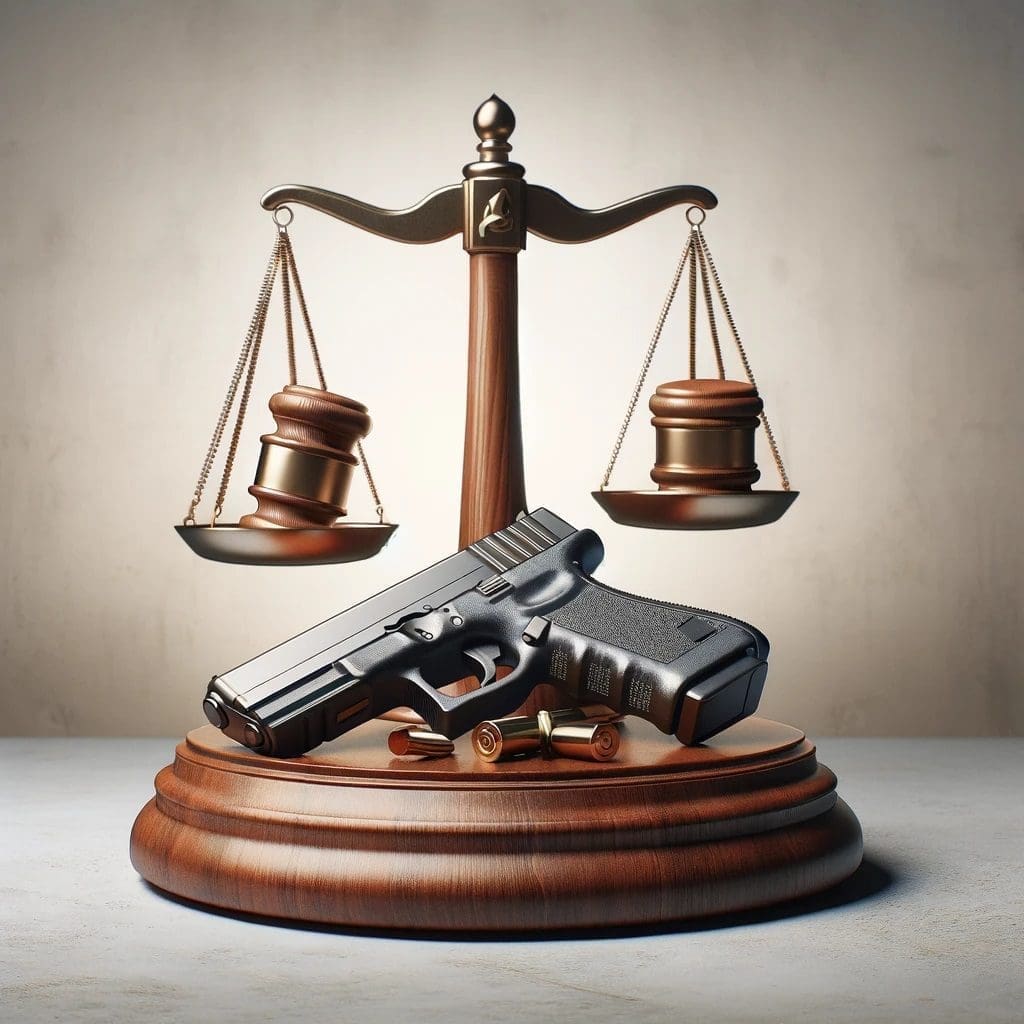
<a href="https://attorneys.media"><img class="aligncenter size-full wp-image-32419" src="http://attorneys.media/wp-content/uploads/2023/12/Weapon-Charges.jpg" alt="Expert Legal Advisors in Session: Navigating Complexities of Weapon Charges" width="1024" height="1024" /></a> <h4>Legal Insights into Weapon Charges: Rights, Defenses, and Consequences</h4>   Facing <strong>weapon charges</strong> can be a daunting experience, with legal complexities and severe repercussions. It's crucial for individuals accused of such charges to understand the legal framework surrounding them. Weapon charges encompass a range of offenses, from unlawful possession and carrying of weapons to using them in the commission of a crime. Laws regarding weapon charges vary significantly across jurisdictions, reflecting differing societal views on weapon ownership and use. The legal consequences of weapon charges can be severe, including hefty fines, imprisonment, and long-term impact on one's ability to own weapons in the future. Factors influencing the severity of penalties include the type of weapon involved, the accused's criminal history, and the circumstances of the offense. A key aspect of navigating weapon charges is understanding one’s legal rights. This includes the right to remain silent upon arrest and the right to legal representation. An experienced attorney can provide vital counsel, helping to navigate the complexities of the case and devise an effective defense strategy. Defense strategies in weapon charge cases may involve challenging the legality of the weapon's seizure or the arrest itself. Other defenses could include demonstrating lawful possession or use of the weapon, or lack of intent in cases involving accidental discharge or possession. In addition to legal defenses, awareness and education about weapon laws are crucial. Understanding local and federal weapon regulations can prevent unintentional violations. For instance, carrying a licensed weapon across state lines may inadvertently lead to charges if the other state has stricter laws. Moreover, the social and psychological aspects of weapon charges should not be overlooked. These charges often arise in contexts of self-defense, domestic disputes, or mental health issues. Addressing the root causes, such as advocating for mental health support and conflict resolution training, can be instrumental in reducing weapon-related offenses. In summary, weapon charges carry significant legal and social implications. Understanding the laws, preparing a strong defense, and being aware of one's rights are crucial for anyone facing such charges. Through legal guidance and societal efforts, the challenges posed by weapon-related offenses can be effectively addressed.

8 posts
How Do People Get a Concealed Carry Permit in America?

How Do People Get a Concealed Carry Permit in America?

To get a concealed carry permit in America, you typically apply through your state and complete required steps like training and a background check; 29 states now allow permitless carry. Requirements, fees, and processing times vary widely by state and may include fingerprints, safety courses, and proof of residency. This article explains the process, state-by-state […]
Read More
Can Weapon Violations Add Years to Prison in California?

Can Weapon Violations Add Years to Prison in California?

Yes—California weapon enhancements can add 1, 3, 4, 5, 10, 20, or even 25 years to life to a prison sentence, depending on the weapon and how it was used. These penalties are often imposed on top of the base offense for guns, knives, or other “deadly weapon” allegations. This article explains common California weapon […]
Read More
Gun Crime Sentencing Guidelines: Mandatory Minimums Explained

Gun Crime Sentencing Guidelines: Mandatory Minimums Explained

Many gun crimes carry mandatory minimum prison sentences—often 5 years or more—depending on the weapon, prior record, and how the firearm was used. These minimums can limit a judge’s discretion and significantly increase exposure if the charge involves possession during another felony, brandishing, or discharge. This article explains key gun crime sentencing guidelines, how mandatory […]
Read More
Gun Crime Charges: Navigating Firearms Laws and Penalties

Gun Crime Charges: Navigating Firearms Laws and Penalties

Gun crime charges can lead to felony convictions, steep fines, and years in prison, depending on the firearm, conduct, and prior record. Federal and state laws often overlap, and penalties can increase with factors like unlawful possession, carrying in prohibited places, or using a gun during another crime. This article explains common firearms offenses, how […]
Read More
Drug Trafficking Laws: Severe Consequences and Defense Strategies

Drug Trafficking Laws: Severe Consequences and Defense Strategies

Drug trafficking convictions can bring decades in prison, steep fines, and mandatory minimum sentences, depending on the drug type, quantity, and whether state or federal law applies. Prosecutors often rely on searches, informants, surveillance, and possession-with-intent allegations to prove a trafficking case. This article explains key trafficking laws and penalties, common charges, and effective defense […]
Read More
What You Need to Know About Arms Control Laws

What You Need to Know About Arms Control Laws

Major arms control laws are enforced through treaties, export controls, and verification regimes, with more than 190 countries party to the Nuclear Non‑Proliferation Treaty (NPT). These rules limit proliferation, require reporting and inspections, and impose sanctions or criminal penalties for violations. This article explains key agreements, compliance obligations, and enforcement strategies that drive global security. […]
Read More
Forensic Ballistics: Deciphering Crimes in the Legal Arena

Forensic Ballistics: Deciphering Crimes in the Legal Arena

Forensic ballistics links a firearm to a specific bullet or cartridge case by comparing microscopic toolmarks and other measurable features, often narrowing an investigation to a single weapon. Used by law enforcement and attorneys, these findings can corroborate or challenge witness accounts and reconstruction timelines in court. This article explains how ballistic evidence is collected, […]
Read More
HUMOR – Part 4

HUMOR – Part 4

This article features 2 police traffic-stop jokes originally printed in 2002 in Crime, Justice and America magazine. It’s reposted with permission and presented as light, law-related humor. It continues the “Humor” series with short comedic anecdotes. Originally printed in 2002 in Crime, Justice and America magazine and reposted with permission from Crime, Justice and America […]
Read More
Scroll to Top