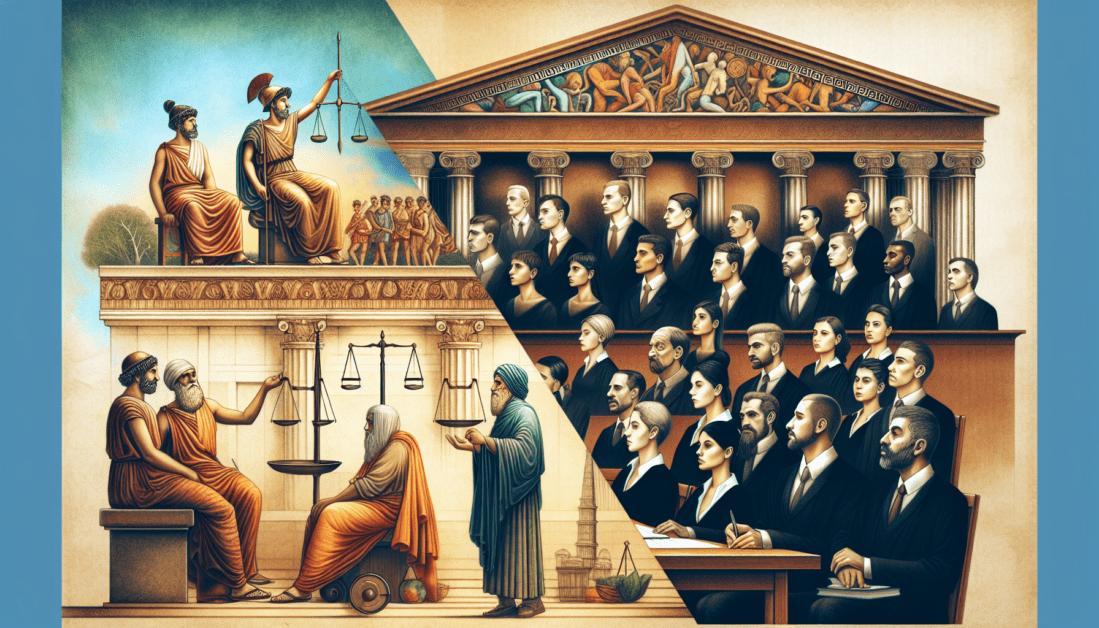
Criminal Law

Comprehensive Guide to Criminal Law: Understanding Your Legal Rights Criminal law, a fundamental part of the legal system, governs the process of prosecuting and penalizing individuals who commit crimes. Understanding the intricacies of criminal law is essential not only for legal professionals but also for the general public. At its core, criminal law focuses on behavior classified as illegal and punishable by the state. This includes a wide array of offenses, from minor infractions like traffic violations to major crimes like murder and robbery. The severity of the punishment typically corresponds to the gravity of the offense, ranging from fines and community service to imprisonment or even capital punishment in some jurisdictions. One of the key principles in criminal law is the presumption of innocence. This means that an individual is considered innocent until proven guilty beyond a reasonable doubt. This principle ensures fairness in the legal process and places the burden of proof on the prosecution. Legal representation is a critical aspect of criminal law. The right to an attorney, guaranteed in many legal systems, is vital in ensuring that the accused receives a fair trial. Defense lawyers play a crucial role in protecting the rights of their clients, challenging evidence, and presenting legal arguments to the court. Another important aspect is the differentiation between various types of crimes. For instance, distinctions are made between felonies and misdemeanors based on their severity. Understanding these categories is important for comprehending the potential legal consequences of different actions. Additionally, criminal law is continuously evolving. Legal reforms, changes in societal values, and advancements in technology all contribute to the dynamic nature of criminal law. Staying updated with these changes is crucial for legal professionals and can be beneficial for the general public as well. In conclusion, criminal law is a complex and multifaceted field that impacts society at large. Whether you are a legal professional, a student of law, or simply a citizen seeking to be more informed, understanding the basics of criminal law is invaluable. It helps in recognizing legal rights, responsibilities, and the workings of the justice system.

583 posts

What to Expect from an Estate Planning Lawyer

What to Expect from an Estate Planning Lawyer

An estate planning lawyer helps you legally document who inherits your assets, who can make decisions if you’re incapacitated, and how to reduce probate delays and taxes. With the right plan, you can avoid common disputes and ensure your wishes are enforceable under state law. This article explains what an estate planning lawyer does, what […]
Read More
Illegal Cargo Transport: Global Routes and Enforcement

Illegal Cargo Transport: Global Routes and Enforcement

Illegal cargo transportation threatens global security through smuggling of contraband, weapons, and counterfeit goods. Transportation law attorneys handle complex cases involving illegal search and seizure procedures when authorities intercept these shipments worth billions annually.
Read More
Essential Guide to Regulatory Violations and Remedies

Essential Guide to Regulatory Violations and Remedies

Constitutional violations remedy options expand as regulatory shifts 2025 approaches. Understanding U.S. regulatory compliance requirements and available legal protections becomes crucial when government agencies overstep authority through due process violations, unlawful searches, or discriminatory enforcement actions.
Read More
Why Early Legal Review Matters After a Serious Injury Incident

Why Early Legal Review Matters After a Serious Injury Incident

In Fort Lauderdale, you should request an early legal review within 24–72 hours after a serious injury to preserve evidence. Video footage often overwrites quickly and hazardous conditions may be repaired before they’re documented. This article explains how prompt review protects your claim and what steps to take immediately. Fort Lauderdale, Florida, is built around […]
Read More
Legal Due Process: Ancient Origins to Modern Justice

Legal Due Process: Ancient Origins to Modern Justice

Legal due process evolved from ancient Mesopotamian codes through Greek democracy and Roman law to modern courts. This rich legal history, from Hammurabi to the Magna Carta, established fundamental legal maxims protecting individual rights that apply today across all proceedings, including legal defenses available in DUI cases.
Read More
Sheriff Duties: Modern Law Enforcement Leadership Role

Sheriff Duties: Modern Law Enforcement Leadership Role

Modern sheriffs oversee county law enforcement, managing sheriff sale procedures, supervising Deputy Sheriff teams, and implementing programs like the Sheriff's Work Program. These elected officials balance jail operations, court services, and community safety while adapting to contemporary challenges.
Read More
DUI Laws: Legal Theory and Constitutional Foundations

DUI Laws: Legal Theory and Constitutional Foundations

DUI laws balance public safety with constitutional rights through Fourth, Fifth, and Sixth Amendment protections. Understanding these foundations reveals legal defenses available in DUI cases, including challenging traffic stops, testing procedures, and arrest protocols while ensuring due process for all accused individuals.
Read More
Drug Laws Explained: Classifications and Legal Definitions

Drug Laws Explained: Classifications and Legal Definitions

Drug laws classify controlled substances into schedules based on abuse potential and medical use. Charges range from misdemeanor possession of drugs for personal use to felony sale of drugs and felony trafficking of drugs for distribution. DUI with drugs occurs when driving impaired by substances.
Read More
Scroll to Top