Explore a wealth of resources related to government and politics, including insightful articles, video interviews with legal experts, and comprehensive glossaries that clarify complex legal terms. This category offers essential information on the intersection of law and public policy, providing visitors with a deeper understanding of how governmental decisions impact legal practices and individual rights. Stay informed about the latest developments in legal frameworks and political issues that shape our society.
Judicial review enables courts to examine government actions for constitutional compliance. This power checks legislative and executive branches through agency action judicial review, judicial review property takings cases, and judicial review agency decisions, protecting individual rights while maintaining governmental balance.
The executive branch enforces federal laws through the President, Cabinet, and agencies. Executive branch law from Article II grants powers including executive orders and appointments, while executive branch protection ensures independence. Executive branch control mechanisms prevent overreach through checks and balances.
The Supreme Court stands as America's highest judicial authority, shaping laws through binding precedents. From privacy decisions to regulatory rulings, the Court's interpretations affect every level of justice, including Maryland Supreme Court and probate court decisions nationwide.
Government fraud costs taxpayers billions annually through contractor fraud, benefits scams, and tax evasion. Beyond financial losses, fraud erodes public trust in institutions. Effective government fraud reporting systems and whistleblower protections are essential to combat corruption and restore confidence.
Executive privilege allows presidents to withhold sensitive information from Congress and courts, protecting confidential communications. Like attorney-client privilege, this constitutional principle shields internal deliberations, though technology creates new challenges for defining protected digital communications in modern governance.
Federal espionage laws carry severe penalties including life imprisonment. Understanding espionage charges, working with an experienced espionage attorney, and building a strong espionage defense are crucial when facing accusations of gathering or transmitting defense information that could harm US interests.
The U.S. legal system operates through a unique dual structure dividing power between federal and state jurisdictions. Federal courts handle constitutional issues, interstate commerce, and immigration, while state courts manage family law, property disputes, and most criminal cases. Understanding this division is key to navigating legal matters effectively.
Legal reform strategies examine and update laws to serve society's evolving needs. Through systematic changes to legislation and judicial procedures, legal reforms address injustices and outdated practices. Understanding how Legal Reforms Impact modern justice systems helps create fairer, more accessible laws for all.
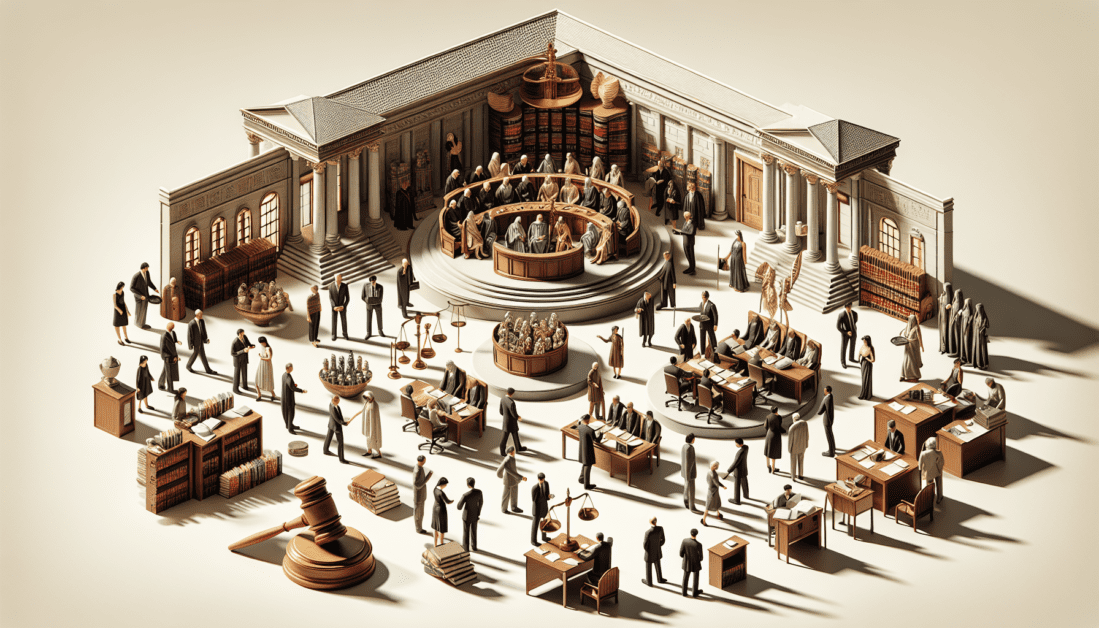
The judicial system forms democracy's backbone, with courts, judges, and legal professionals working together to deliver justice. Understanding its structure, from trial courts to supreme courts, and different judicial system approaches helps citizens navigate legal processes effectively.
Federal civil rights law protects Americans from discrimination through constitutional amendments and statutes. Section 1983 civil rights claims allow individuals to sue government officials for violations, while Indian Civil Rights Act requirements extend protections to tribal members despite civil rights litigation barriers.
Public trust in government institutions has reached alarming lows. Recent surveys show declining confidence in police, judiciary systems, and other key branches. Privacy concerns, political polarization, and accountability issues fuel this crisis. Understanding these trust deficits is essential for democratic governance.
The criminal justice system operates through three interconnected components: law enforcement, courts, and corrections. Understanding the role of a bail bondsman in the criminal justice system helps when navigating criminal justice system processes. These criminal justice systems work together to maintain order and deliver justice.