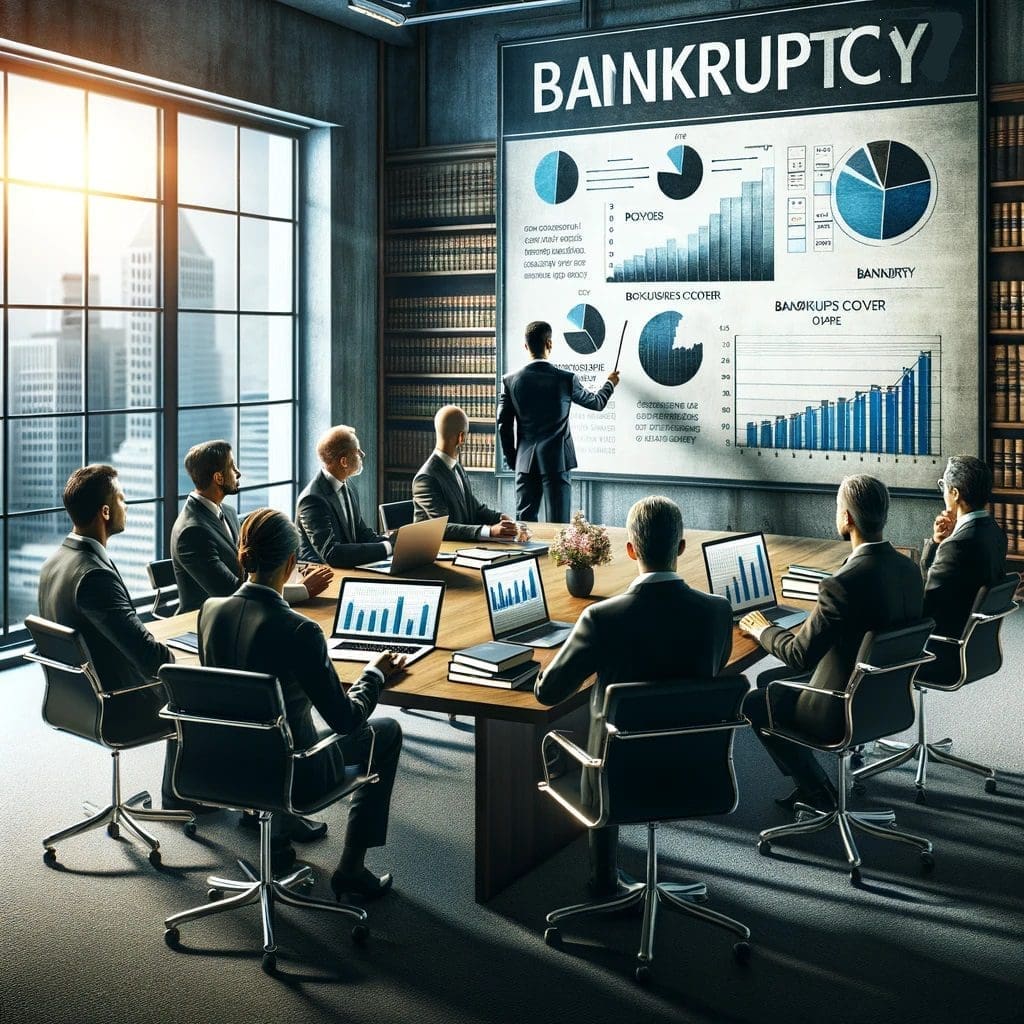
Bankruptcy can eliminate or restructure qualifying debts—often unsecured obligations like credit cards and medical bills—while protecting key assets through exemptions and the automatic stay. It’s a court-supervised legal process designed to stop most collection actions and give you a realistic path to regain control of your finances. This article explains how Chapters 7 and 13 […]
Read More
Debt Settlement vs Bankruptcy Pros and Cons: Understanding Your Financial Recovery Options
Debt settlement can cut balances by about 30–50% through creditor negotiation, while bankruptcy can discharge many unsecured debts in roughly 3–6 months (Chapter 7) or repay over 3–5 years (Chapter 13). The better long-term relief depends on your income, assets, debt type, and how quickly you need legal protection from collection. This article compares eligibility, […]
Read More
Debt Consolidation vs Bankruptcy: A Comprehensive Guide to Legal Rights and Financial Recovery Options
Bankruptcy can discharge most unsecured debts in about 3–6 months (Chapter 7), while debt consolidation repays debts over 2–7 years without court protection. Consolidation may lower interest and simplify payments, but bankruptcy triggers the automatic stay and offers stronger legal relief. This article explains eligibility, legal protections, costs, risks, and recovery outcomes for each option. […]
Read More
Defending Against Debt Collection: A Comprehensive Guide to Consumer Rights and Legal Strategies
Consumers can stop or limit debt collection by demanding written validation within 30 days, sending a cease‑contact letter, and asserting defenses under the Fair Debt Collection Practices Act (FDCPA). These tools can halt harassment, correct mistakes, and reduce the risk of wage garnishment or a default judgment. This article explains your rights, step‑by‑step response strategies, […]
Read More
Sam Bankman-Fried Sentenced: FTX Bankruptcy Court Approves Reorganization Plan
Sam Bankman-Fried was sentenced to 25 years in prison, as the FTX bankruptcy court approved a reorganization plan. Together, these milestones advance creditor repayment efforts and signal tougher scrutiny of crypto exchanges after the FTX collapse. This article explains the sentencing, the plan approval, and what it means for investors and the crypto industry. The […]
Read More
Bankruptcy
Bankruptcy Attorney
Chapter 11
Chapter 13
Chapter 7
Chapter 9
Client Acquisition for Law Firms
Client Acquisition Strategies
Client Acquisition Techniques
Consumer Protection
Corporate Bankruptcy
Debt Resolution
Financial Crimes
Legal Consultation
Online Client Acquisition Strategies
Online Client Acquisition Techniques
Personal Bankruptcy
How Can I Find the Best Bankruptcy Lawyer Near Me?
To find the best bankruptcy lawyer near you, compare at least 3 local attorneys and verify Chapter 7/13 experience, reviews, and transparent fees. Prioritize lawyers who regularly practice in your district’s bankruptcy court and offer a clear strategy after reviewing your debts and assets. This article explains the bankruptcy process and how to choose the […]
Read More
Navigating Bankruptcy: Legal Insights and Strategies During Economic Downturns
Bankruptcy can stop most collection actions immediately through the automatic stay once you file. Choosing between Chapter 7, Chapter 13, or business reorganization depends on income, assets, and goals. This article explains the filing process, legal implications, and practical strategies for individuals and businesses during economic downturns. Bankruptcy can be a daunting prospect for individuals […]
Read More
Insolvency Legal Definitions and Remedies: Understanding Your Financial Options
Insolvency is generally proven under two tests: the cash flow test (can’t pay debts when due) and the balance sheet test (liabilities exceed assets). The right remedy depends on whether you’re an individual or business and may include bankruptcy, restructuring, or negotiated debt settlements. This article explains insolvency definitions, legal frameworks, practical remedies, and key […]
Read More
Complete Guide to Understanding and Navigating Bankruptcy Laws
Bankruptcy laws are federal and primarily include Chapter 7 (typically 3–6 months) and Chapter 13 (3–5 years) for most individuals. They can discharge or restructure qualifying debts while imposing strict rules on assets, income, and creditor actions. This article explains each chapter, eligibility, the filing process, consequences, and how to navigate bankruptcy strategically. Introduction to […]
Read More
Bankruptcy: Understanding Your Legal Options for Debt Relief
Bankruptcy offers two common consumer paths—Chapter 7 or Chapter 13—to stop collections and address debts through discharge or a 3–5 year repayment plan. Which option fits depends on income, assets, and the types of debts you owe. This article explains the process, legal protections, and long-term consequences so you can evaluate your debt-relief choices. Bankruptcy […]
Read More
Exploring the Role of Bank Commissioners in Banking Regulation and Consumer Protection
A bank commissioner is a state-appointed regulator who supervises banks and enforces state banking laws to protect consumers and financial stability. They license institutions, conduct examinations, investigate misconduct, and can issue administrative orders and penalties. This article explains core duties, civil/criminal enforcement touchpoints, and consumer protection impacts. The role of a Bank Commissioner is integral […]
Read More
Bank Books in Legal Contexts: Their Role in Disputes and Compliance
Bank books provide a dated, transaction-by-transaction record that can corroborate deposits, withdrawals, and balances in court. They’re commonly used to support claims in civil disputes, prove intent or concealment in fraud cases, and satisfy audit and reporting requirements. This article explains how bank books function as evidence and compliance tools in civil and criminal matters. […]
Read More