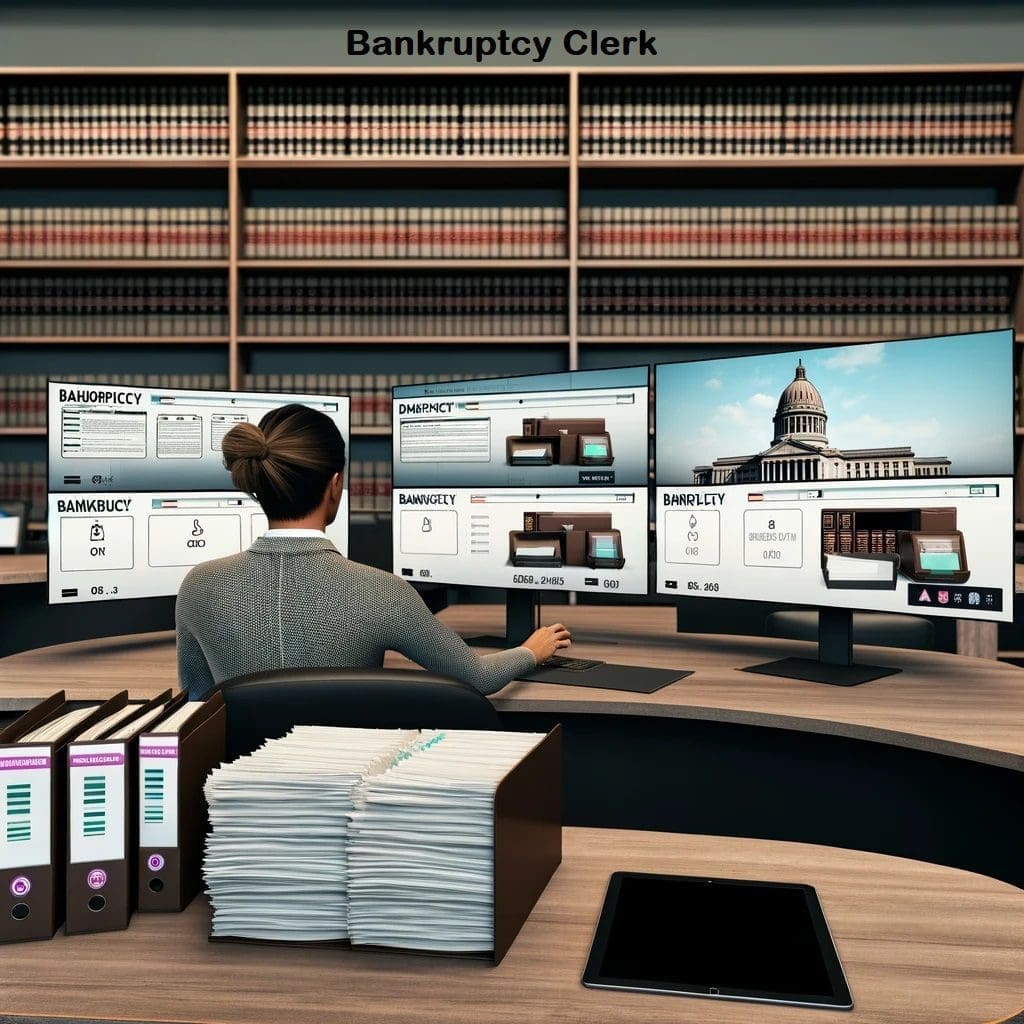
Bankruptcy

<a href="https://attorneys.media"><img class="aligncenter size-full wp-image-32301" src="http://attorneys.media/wp-content/uploads/2023/12/Bankruptcy.jpg" alt="Financial Rebuilding Starts Here: An Optimistic Look at Bankruptcy Legal Services" width="1024" height="1024" /></a> <strong>Bankruptcy Law: A Gateway to Financial Freedom and Recovery</strong> Bankruptcy law is a crucial area in the legal field that provides pathways for individuals and businesses facing financial distress. This article delves into the intricacies of bankruptcy law, highlighting the role of legal professionals in aiding financial recovery and offering a fresh start. <strong>Understanding Bankruptcy Law</strong> Bankruptcy law offers legal means for individuals or businesses to either liquidate assets to pay off debts (Chapter 7) or create a debt repayment plan (Chapter 13). It's designed to help debtors manage overwhelming financial burdens while ensuring fair treatment to creditors. <strong>Navigating Bankruptcy Procedures</strong> The bankruptcy process involves several steps, including filing a petition, attending credit counseling, and developing a repayment plan or asset liquidation strategy. Legal guidance is vital to navigate these procedures effectively. <strong>Debt Relief and Financial Restructuring</strong> One of the primary objectives of bankruptcy law is to provide debt relief. Legal experts assist clients in restructuring finances, negotiating with creditors, and finding pathways to reduce or eliminate debt. <strong>Bankruptcy's Impact on Credit and Future Financing</strong> While bankruptcy can affect credit scores, it also offers a chance to rebuild financial health. Legal advisors help clients understand the long-term impact of bankruptcy and strategies for credit restoration. <strong>Legal Representation in Bankruptcy Cases</strong> Expert legal representation is crucial in bankruptcy cases. Lawyers provide advice on eligibility, protect clients' rights, and represent them in court proceedings, ensuring the best possible outcomes. <strong>Ethical Considerations and Compliance</strong> Bankruptcy law also involves ethical considerations and compliance with legal standards. Lawyers ensure that bankruptcy filings are accurate and legal obligations are fulfilled. <strong>Conclusion</strong> Bankruptcy law serves as a lifeline for those struggling with financial hardships. With the right legal guidance, individuals and businesses can navigate bankruptcy procedures to achieve financial stability and a new beginning.

46 posts
Unlock the Secrets of Bankruptcy Estate for a Successful Financial Reset

Unlock the Secrets of Bankruptcy Estate for a Successful Financial Reset

A bankruptcy estate is the legal pool of assets and interests you own at the time you file, and it may also include certain property you acquire after filing. It’s what the bankruptcy trustee can control, sell, or distribute to creditors—subject to exemptions you can claim. This article explains what counts as estate property, key […]
Read More
Secure a Faster Discharge With Chapter 7

Secure a Faster Discharge With Chapter 7

Chapter 7 bankruptcy typically delivers a discharge in about 4–6 months from filing. It can erase eligible unsecured debts while a trustee liquidates non-exempt assets under federal and state exemption rules. This article explains who Chapter 7 is best for, how the process works, and what to expect to secure a faster discharge. In the […]
Read More
Why Chapter 13 Is Your Best Debt Relief Option

Why Chapter 13 Is Your Best Debt Relief Option

Chapter 13 bankruptcy typically requires a 3–5 year court-approved repayment plan while letting you keep most assets. It can stop foreclosure, catch up on mortgage arrears, and reorganize debts based on your income and budget. This article explains who qualifies, key benefits, costs, and how the Chapter 13 process works. In the realm of financial […]
Read More
How to Choose the Right Bankruptcy Path

How to Choose the Right Bankruptcy Path

The right bankruptcy path usually comes down to Chapter 7 for qualifying debt discharge versus Chapter 13 for a 3–5 year repayment plan to protect income or assets. Your eligibility, debt type (secured vs. unsecured), property exemptions, and long-term financial goals determine which option offers the best relief. This article explains the key differences, how […]
Read More
Are petition preparers allowed to give legal advice?

Are petition preparers allowed to give legal advice?

No—petition preparers generally cannot give legal advice; in most states only licensed attorneys may. Petition preparers may provide clerical help like typing or filing forms but risk unauthorized practice of law if they recommend strategies, interpret statutes, or advise what to say in court. This article explains what petition preparers can and can’t do, common […]
Read More
Breaking Free: How Bankruptcy Petitions Can Change Your Financial Future

Breaking Free: How Bankruptcy Petitions Can Change Your Financial Future

Filing a bankruptcy petition can stop most collection efforts immediately through the automatic stay and may eliminate or restructure qualifying debts. For individuals and businesses overwhelmed by bills, it can provide court-supervised protection and a path toward financial stability. This article explains what a bankruptcy petition is, how Chapter 7 and Chapter 13 work, what […]
Read More
What to know about bankruptcy clerks in court.

What to know about bankruptcy clerks in court.

A bankruptcy clerk in court manages case filings, docket entries, notices, fees, and hearing calendars to keep bankruptcy proceedings on track. Clerks support bankruptcy judges and ensure records are accurate and deadlines are met for debtors and creditors. This article explains core responsibilities, what clerks can’t do (legal advice), and how to work with the […]
Read More
Reveals a Judge’s Ultimate Say in Bankruptcy

Reveals a Judge’s Ultimate Say in Bankruptcy

In bankruptcy, the judge has final authority to approve or deny key actions, even when creditors and the trustee agree. That power affects outcomes on matters like plan confirmation, asset sales, exemptions, and discharge disputes. This article explains where a judge’s discretion is strongest, what standards guide those rulings, and how to position your case […]
Read More
What Services Do Expert Bankruptcy Attorneys Provide for Relief?

What Services Do Expert Bankruptcy Attorneys Provide for Relief?

Expert bankruptcy attorneys typically provide 6 core services: case evaluation, chapter selection, petition preparation, creditor negotiation, court representation, and post-discharge guidance. They can also help stop collections through the automatic stay and protect exempt assets. This article covers how these services work for individuals and businesses seeking debt relief. Navigating through financial turbulence can be […]
Read More
Why Real-World Bankruptcy Success Stories Matter Now

Why Real-World Bankruptcy Success Stories Matter Now

Bankruptcy can eliminate qualifying unsecured debts and, in some cases, resolve them in as little as 3–6 months through Chapter 7. Real-world success stories show how people and small businesses use the process to stop collection pressure, protect essential assets, and rebuild financial stability. This article explains why these outcomes matter now, what makes a […]
Read More
How Bankruptcy Ensures Your Protected Financial Freedom?

How Bankruptcy Ensures Your Protected Financial Freedom?

Bankruptcy can eliminate or restructure qualifying debts—often unsecured obligations like credit cards and medical bills—while protecting key assets through exemptions and the automatic stay. It’s a court-supervised legal process designed to stop most collection actions and give you a realistic path to regain control of your finances. This article explains how Chapters 7 and 13 […]
Read More
Debt Settlement vs Bankruptcy Pros and Cons: Understanding Your Financial Recovery Options

Debt Settlement vs Bankruptcy Pros and Cons: Understanding Your Financial Recovery Options

Debt settlement can cut balances by about 30–50% through creditor negotiation, while bankruptcy can discharge many unsecured debts in roughly 3–6 months (Chapter 7) or repay over 3–5 years (Chapter 13). The better long-term relief depends on your income, assets, debt type, and how quickly you need legal protection from collection. This article compares eligibility, […]
Read More
Scroll to Top