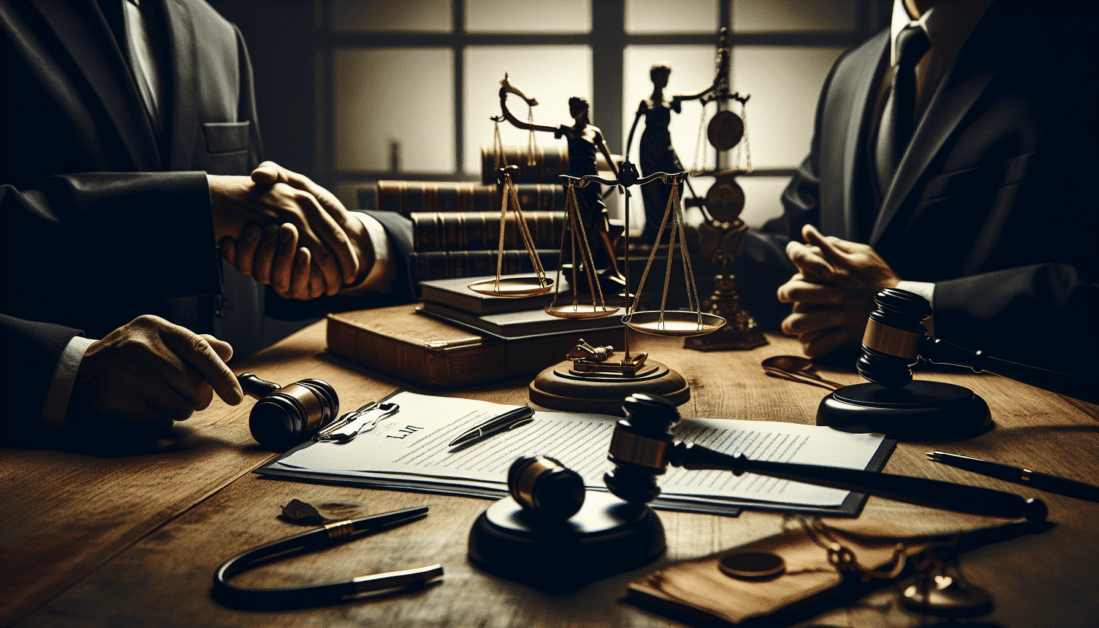
Criminal Defense
<a href="https://attorneys.media"><img class="aligncenter size-full wp-image-32435" src="http://attorneys.media/wp-content/uploads/2023/12/Criminal-Defense.jpg" alt="Inside the Courtroom: Dynamic Criminal Defense Strategies at Work" width="1024" height="1024" /></a>
<h4><strong>Criminal Defense: Navigating the Legal System for a Fair Trial</strong></h4>
The realm of <strong>criminal defense</strong> is a critical aspect of the legal system, ensuring that the rights of the accused are protected throughout the legal process. This area of law is complex and multifaceted, requiring a deep understanding of legal rights, procedural norms, and strategic defense tactics.
At the forefront of criminal defense is the presumption of innocence. This principle ensures that every individual accused of a crime is considered innocent until proven guilty. Criminal defense attorneys play a pivotal role in upholding this principle by challenging evidence, questioning procedural errors, and advocating for their clients' rights.
One of the key elements in criminal defense is understanding the charges and the potential penalties. This knowledge is crucial in formulating a robust defense strategy. Defense lawyers often negotiate with prosecutors to reduce charges or penalties, a process known as plea bargaining.
Effective criminal defense also involves meticulous examination of the evidence. Attorneys must scrutinize the evidence presented by the prosecution, looking for inconsistencies or procedural errors. This critical analysis can lead to evidence being dismissed, significantly impacting the case's outcome.
The role of the defense attorney extends beyond the courtroom. They provide counsel and support to their clients, helping them navigate the emotional and psychological challenges of facing criminal charges. This support is invaluable in maintaining the mental well-being of defendants during the trial process.
In conclusion, criminal defense is a cornerstone of the legal system, ensuring fairness and justice in criminal proceedings. Defense attorneys play an essential role in protecting the rights of the accused, advocating on their behalf, and striving for the best possible outcome.
Furthermore, criminal defense involves a comprehensive understanding of legal precedents and case law. Attorneys must be well-versed in past rulings and legal interpretations that can influence the current case.
Jury selection is another crucial component of criminal defense. The defense team works to select jurors who are unbiased and open-minded, aiming for a fair and impartial jury.
Defense attorneys also prepare for trial by developing compelling arguments and preparing witnesses. The presentation of a well-structured defense can sway the jury's opinion and contribute to a favorable verdict.
In addition, understanding the nuances of different types of criminal cases, from misdemeanors to felonies, is essential for effective defense. Each type of crime requires a specific approach and strategy.
Criminal defense is a dynamic and challenging field, requiring dedication, expertise, and a deep commitment to justice. It is an indispensable part of the legal system, protecting the fundamental rights of individuals and upholding the principles of a fair trial.
514 posts