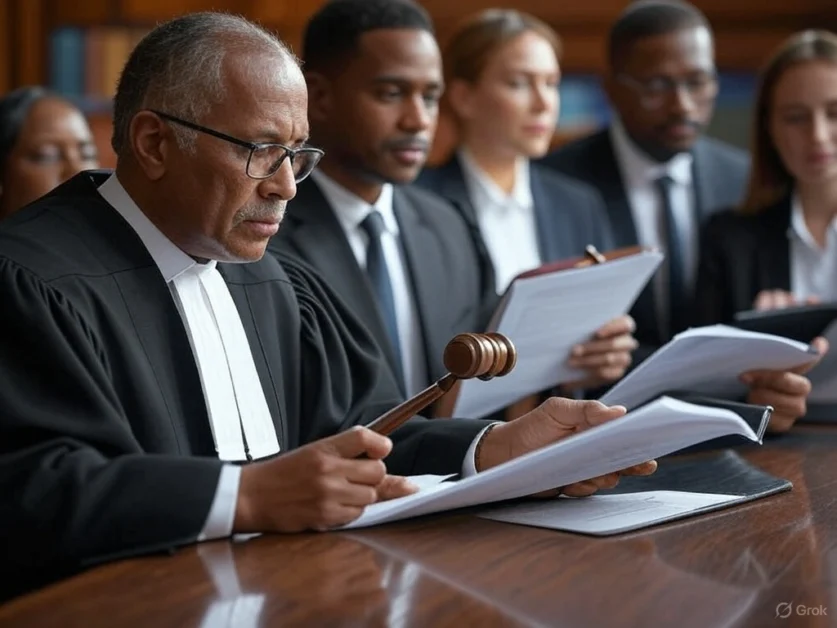
Other Legal Issues

<a href="https://attorneys.media"><img class="aligncenter size-full wp-image-32424" src="http://attorneys.media/wp-content/uploads/2023/12/Other-Legal-Issues.jpg" alt="Expert Legal Team Tackling Diverse Legal Challenges: A Comprehensive Approach" width="1024" height="1024" /></a> <h4>Understanding the Spectrum of Legal Issues: Beyond Criminal and Civil Law</h4>   The realm of law extends far beyond the familiar territories of criminal and civil issues. A vast array of <strong>legal matters</strong> falls outside these categories, encompassing everything from administrative law to intellectual property, environmental regulations, and beyond. Understanding these diverse legal areas is crucial for navigating the intricate world of law effectively. One significant area often overlooked is administrative law. This branch deals with the rules and regulations that govern federal and state agencies. Issues like zoning laws, licensing, and regulatory compliance are central to this field. Navigating administrative law requires an understanding of how government agencies operate and the processes involved in administrative decision-making. Intellectual property law is another crucial area, especially in our technology-driven age. It encompasses the protection of inventions, trademarks, copyrights, and patents. Understanding intellectual property rights is vital for creators, innovators, and businesses looking to protect their unique ideas and products. Environmental law is increasingly significant in today's eco-conscious world. It involves regulations and policies aimed at protecting the environment, including laws related to pollution, natural resource management, and sustainability. Navigating these laws requires not only legal expertise but also an understanding of environmental science and public policy. Family law, dealing with matters like divorce, child custody, and adoption, is another critical area. These issues require a delicate balance of legal knowledge and emotional intelligence, as they often involve complex family dynamics and deeply personal matters. Estate planning and probate law are also essential, involving the management and distribution of an individual's estate after death. This field requires knowledge of tax laws, trusts, wills, and estate administration processes. The legal landscape also includes emerging areas like cybersecurity law, which deals with issues related to data protection, privacy, and digital rights. As technology evolves, so does the legal framework surrounding it, making continual education and adaptation essential for legal professionals. In conclusion, the spectrum of legal issues is broad and varied, extending well beyond criminal and civil law. Understanding these diverse legal areas is crucial for individuals seeking legal advice and for professionals aiming to provide comprehensive legal services.

115 posts

The Role of Due Process in Administrative Hearings

The Role of Due Process in Administrative Hearings

Due process in administrative hearings generally requires timely notice of the case against you and a meaningful opportunity to be heard by an impartial decision-maker. These baseline protections help ensure agencies make fair, lawful decisions when determining benefits, licenses, penalties, or other rights and obligations. This article explains core due process requirements, common hearing procedures, […]
Read More
Due Process Challenges in Digital Evidence Collection

Due Process Challenges in Digital Evidence Collection

Due process challenges in digital evidence collection most often arise when law enforcement searches devices or cloud accounts without proper warrants, exceeds a warrant’s scope, or withholds exculpatory data. Because digital records are vast, easily altered, and frequently held by third parties, mistakes in preservation, chain of custody, and disclosure can undermine fairness. This article […]
Read More
How the 5th and 14th Amendments Protect Due Process Rights

How the 5th and 14th Amendments Protect Due Process Rights

The 5th and 14th Amendments guarantee due process, requiring the government to follow fair procedures before taking a person’s life, liberty, or property. The 5th limits federal action, while the 14th applies due process protections to state and local governments through the Fourteenth Amendment’s Due Process Clause. This article explains procedural vs. substantive due process, […]
Read More
What Landmark Legal Precedents Are Set by the Latest Supreme Court Rulings?

What Landmark Legal Precedents Are Set by the Latest Supreme Court Rulings?

The latest U.S. Supreme Court rulings set landmark precedents by redefining constitutional and statutory standards that lower courts must follow nationwide. These decisions can immediately reshape how rights are protected, how federal agencies regulate, and how key disputes are litigated. This article identifies the most consequential new precedents, explains the legal tests they establish, and […]
Read More
Understanding the Two Types of Due Process: Procedural vs. Substantive

Understanding the Two Types of Due Process: Procedural vs. Substantive

Procedural due process requires fair procedures—like notice and a hearing—before the government deprives you of life, liberty, or property, while substantive due process limits what the government may take away regardless of procedure. Both stem from the Fifth and Fourteenth Amendments and shape how courts evaluate laws and government actions. This article explains the key […]
Read More
Due Process Rights in Criminal Proceedings: What Every Defendant Should Know

Due Process Rights in Criminal Proceedings: What Every Defendant Should Know

Due process requires the government to follow fair, lawful procedures before it can arrest, charge, detain, or convict you in a criminal case. Rooted in the Fifth and Fourteenth Amendments, it includes protections like notice of charges, a meaningful opportunity to be heard, access to counsel, and an impartial tribunal. This article explains core due […]
Read More
The Historical Evolution of Due Process in American Jurisprudence

The Historical Evolution of Due Process in American Jurisprudence

Due process in the United States is rooted in Magna Carta (1215) and is guaranteed by the Fifth and Fourteenth Amendments. Over time, American courts expanded it from basic procedural safeguards into both “procedural” and “substantive” protections against unfair government action. This article traces due process from its English origins through Reconstruction and key Supreme […]
Read More
What Are the Legal Challenges in Regulating Digital Platforms?

What Are the Legal Challenges in Regulating Digital Platforms?

Regulating digital platforms is legally challenging because lawmakers must balance free speech, privacy, competition, and consumer protection across rapidly evolving technologies and global jurisdictions. Conflicts between Section 230‑style liability shields, antitrust enforcement, data protection rules, and cross‑border compliance often create overlapping or inconsistent obligations for platforms. This article explains the main legal hurdles, key regulatory […]
Read More
Criminal Profiling in Court: Admissibility and Expert Testimony

Criminal Profiling in Court: Admissibility and Expert Testimony

Criminal profiling evidence is generally admissible only if it satisfies Daubert or Frye reliability requirements and fits Rule 702. Courts often limit profilers to explaining behavioral patterns, not identifying a specific defendant, to avoid unfair prejudice and speculation. This article covers admissibility standards, expert qualifications, and key constitutional and evidentiary objections. The intersection of criminal […]
Read More
Prosecutorial Misconduct Examples: Grounds for Appeal or Dismissal

Prosecutorial Misconduct Examples: Grounds for Appeal or Dismissal

Prosecutorial misconduct can justify an appeal or dismissal when it violates due process, and courts may reverse convictions if the error was not harmless beyond a reasonable doubt. Common examples include Brady/Giglio violations, improper closing arguments, and knowingly presenting false testimony. This article explains key misconduct categories, legal standards, and remedies defendants can seek. The […]
Read More
Voir Dire Questions: Selecting Favorable Jurors for Your Case

Voir Dire Questions: Selecting Favorable Jurors for Your Case

Voir dire typically allows 30–60 minutes per jury panel to ask voir dire questions that uncover bias and juror suitability. Asking targeted, case-specific questions helps attorneys identify attitudes and experiences that affect impartiality and supports informed challenges. This article covers core question types, red flags, and practical jury selection tactics. The process of voir dire […]
Read More
Alibi Defense Strategies: Proving You Were Elsewhere During Crime

Alibi Defense Strategies: Proving You Were Elsewhere During Crime

An alibi defense can defeat a charge if you prove you were somewhere else at the exact time of the alleged crime with credible, verifiable evidence. Strong alibis combine time-stamped records (video, GPS, transactions) with witness testimony to create a clear timeline and expose gaps in the prosecution’s case. This article explains how to build, […]
Read More
Scroll to Top