
Workplace Privacy

Covers laws and rights surrounding privacy in the workplace, including employee monitoring (email, internet use, phone calls, GPS), video surveillance, background checks, drug and alcohol testing, and access to personnel, medical, and biometric data. Also addresses employer policies, consent requirements, data security, and how to handle privacy violations or disputes.

3 posts
Can Your Boss Read Your Slack Messages? The 2026 Rules

Can Your Boss Read Your Slack Messages? The 2026 Rules

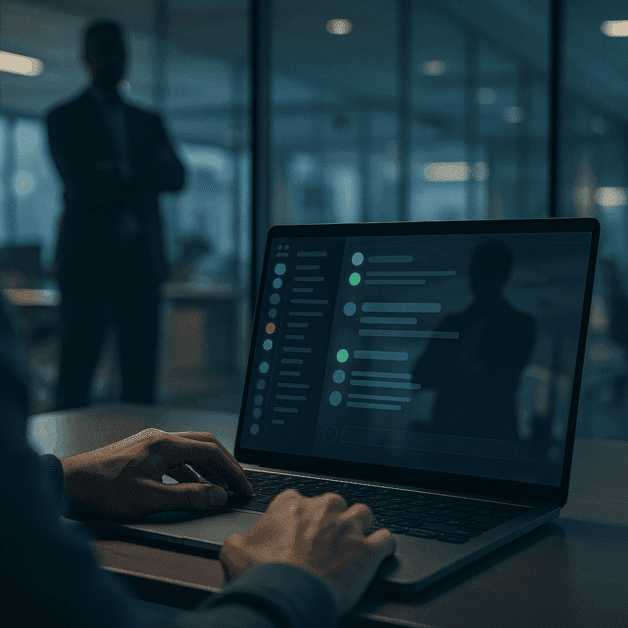
Yes—employers can usually read Slack or Teams messages, especially on company accounts and devices. In 2026, access often depends on written policies, employee consent, and stricter state rules on electronic monitoring notices. This article explains the 2026 privacy rules, exceptions, and what to do if monitoring crosses legal lines. What You Need to Know About […]
Read More
Can Your Employer Track You Off the Clock? Usually No, Sometimes Yes.

Can Your Employer Track You Off the Clock? Usually No, Sometimes Yes.

Usually, your employer can’t legally track you off the clock without a clear business need and proper notice or consent, but limited tracking may be allowed for company devices, security, or timekeeping. Whether it’s lawful depends on your state’s privacy laws, the type of data collected (GPS, app activity, biometrics), and how the tracking is […]
Read More
Your Employer’s AI Monitoring Tool May Be Illegal — Here’s How to Check

Your Employer’s AI Monitoring Tool May Be Illegal — Here’s How to Check

Some employer AI monitoring is legal, but in 12 states employers must obtain consent for certain recordings under “two‑party” consent laws. Monitoring that captures audio/video, biometrics, or off‑duty activity can violate privacy, wiretapping, or labor laws if it’s undisclosed or overbroad. This article explains how to identify AI tracking, what laws apply, and when to […]
Read More
Scroll to Top