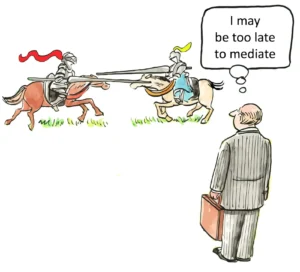
How to Beat an Assault and Battery Charge in Phoenix, AZ When It Started as Mutual Combat
In Phoenix, a mutual fight can still lead to an assault (ARS 13-1203) or aggravated assault (ARS 13-1204) charge—but many cases can be reduced or dismissed when the evidence shows self-defense, lack of injury, or weak identification. Arizona does not recognize “mutual combat” as a complete defense, and police often arrest the person who looks like the “primary aggressor.” This article explains Phoenix-specific defense strategies, key statutes, evidence to gather fast, and plea and trial paths.
Mutual Combat in Phoenix: Why You Can Still Be Charged
People often assume that if “both parties agreed to fight,” nobody can be prosecuted. In Phoenix, that assumption is risky. Arizona does not treat “mutual combat” as a stand-alone legal defense to assault. Police and prosecutors can still file charges if they believe you intentionally, knowingly, or recklessly caused physical injury, put someone in reasonable apprehension of imminent injury, or touched them with intent to injure, insult, or provoke—conduct covered by ARS 13-1203 (assault).
What mutual combat usually affects is how a defense attorney attacks the state’s case: who started it, whether force was reasonable, whether the alleged victim’s account is credible, and whether the state can prove each element beyond a reasonable doubt. In many Phoenix cases—especially bar fights, neighborhood disputes, and “friends who got carried away”—those proof problems are significant.
Know the Charges: Assault vs. Aggravated Assault in Arizona
Before building a defense strategy, identify what you’re actually facing. Arizona does not use “assault and battery” as separate crimes the way some states do; conduct that sounds like “battery” is usually charged as assault.
Simple Assault (ARS 13-1203)
Simple assault can be charged for:
1) Causing physical injury to another person; or
2) Placing someone in reasonable apprehension of imminent physical injury; or
3) Knowingly touching another person with intent to injure, insult, or provoke.
Depending on the subsection and facts, simple assault may be charged as a misdemeanor, but it can become far more serious if domestic violence allegations apply or if it escalates to aggravated assault.
Aggravated Assault (ARS 13-1204)
Mutual fights often become aggravated assault if prosecutors allege an aggravating factor—common ones include:
• Serious physical injury (broken bones, substantial disfigurement, major concussion)
• Use of a deadly weapon or dangerous instrument (knife, gun, bottle, chair, or anything used as a weapon)
• Assault on certain protected persons (police, firefighters, healthcare workers in some circumstances)
Aggravated assault can be a felony with prison exposure, making early defense work essential.
Key Legal Defenses When the Fight Started “Mutual”
A Phoenix assault defense typically aims at one or more of these: (1) justify the force used, (2) show the state can’t prove who did what, (3) reduce the mental state, or (4) reframe the incident as a lesser offense.
1) Self-Defense (Justification) Still Applies—But Timing Matters
Even if the encounter began as a two-sided fight, you may still assert self-defense if the other person escalated or continued the aggression and you used only the force reasonably necessary to protect yourself. The most important details are:
• Who was the aggressor at the moment force was used? Mutual arguing or posturing is not the same as throwing the first punch.
• Was there escalation? Example: a shoving match becomes unjustified when one person pulls a knife; defensive force may then be lawful.
• Did you disengage? Evidence that you tried to leave, backed away, or said “I don’t want to fight” strengthens justification.
2) Defense of Others (Often Overlooked in Group Fights)
Many “mutual combat” cases involve friends and bystanders. If you intervened because you reasonably believed someone else was about to be injured—your spouse, friend, or even a stranger—you may argue defense of others. These cases turn on what you perceived in the moment and whether your response was proportionate.
3) Lack of Proof: Identification and the Chaos Problem
Phoenix fights often happen at night, outside bars, at house parties, or in crowded venues. The state has to prove you committed the alleged assault. A common defense theme is that witnesses:
• Misidentified who threw which punch
• Filled in gaps with assumptions after the fact
• Were intoxicated or emotionally involved
Security footage, phone videos, and independent witnesses can quickly unravel a confident-sounding accusation.
4) Challenging “Injury” and Causation
If the charge alleges physical injury, prosecutors must connect the injury to your conduct. In mutual fights, injuries can come from:
• Falls (hitting a curb, table, or glass door)
• Multiple participants (unclear who caused what)
• Pre-existing conditions or later events (injury worsened after)
Medical records, timing, and expert review can be decisive—especially when the state uses “serious physical injury” to justify felony aggravated assault.
5) Consent Is Not a Free Pass, But It Can Undercut the Case
While “we agreed to fight” does not automatically defeat an Arizona assault charge, consent-related facts can still matter. They can:
• Undermine credibility if the alleged victim later portrays themselves as purely passive
• Support self-defense if the other party escalated beyond what was anticipated
• Influence charging decisions (felony vs. misdemeanor) and plea offers
In practice, mutuality can be powerful mitigation—especially when injuries are minor and neither party is a protected victim.
6) False Allegations and “Winner Writes the Narrative”
It’s common for the person who calls 911 first—or who looks more injured—to be treated as the victim. In mutual fights, an attorney will scrutinize whether the accusation is:
• Retaliatory (romantic dispute, neighbor feud, workplace tension)
• Strategic (to avoid their own arrest, to win leverage in a separate civil matter)
• Inconsistent with videos, timestamps, or witness accounts
Statements made at the scene are often inconsistent. Capturing those early inconsistencies can make a case winnable.
Phoenix-Specific Reality: How Cases Are Built and Why Early Action Matters
Assault cases in Phoenix are typically investigated by Phoenix Police and prosecuted in Phoenix Municipal Court (many misdemeanors within city limits) or Maricopa County Superior Court (felonies and certain misdemeanors). Early action matters because:
• Surveillance video disappears fast. Many businesses overwrite footage in days.
• Witnesses scatter. Bar staff and patrons can be hard to locate later.
• Your own statements can lock in the state’s theory. What you say to police may be used against you, even if you were trying to “explain.”
A defense lawyer’s immediate goal is to preserve evidence and control the narrative before it hardens into a charging decision or unfavorable release conditions.
Evidence to Gather Quickly After a Mutual Fight
If you’re accused after a mutual combat incident in Phoenix, these evidence categories commonly decide outcomes:
Video and Digital Evidence
• Cellphone videos from bystanders (AirDrop/text requests can preserve them)
• Doorbell cameras from nearby homes
• Bar/restaurant surveillance (send preservation requests immediately)
• GPS and timestamp data that shows where you were and when you left
Witnesses (Especially Neutral Ones)
Neutral witnesses—security guards, rideshare drivers, employees—often carry more weight than friends of either party. A lawyer can obtain statements in a way that avoids witness coaching issues and preserves admissibility.
Medical Records and Photos
Document your injuries too. Mutual fights are often treated as “victim vs. offender,” but defensive injuries (bruised forearms, knuckle abrasions consistent with shielding, bite marks) can corroborate self-defense. Seek appropriate medical care and preserve records.
911 Calls and Dispatch Notes
The first call often frames the case. 911 recordings may contain excited utterances, descriptions of who started it, and admissions by the other party. Your attorney can pursue these recordings through formal requests.
Common Prosecutor Angles—and How Defense Counsel Counters Them
“You Were the Primary Aggressor”
Counter with: video, witness sequencing (“who hit first”), and evidence of disengagement. If you were initially aggressive but later tried to withdraw, the timeline matters.
“You Escalated to a Weapon”
Counter with: whether the item was actually used as a weapon, whether you displayed it, and whether escalation was a reasonable response to a threat (for example, multiple attackers). Many “weapon” allegations come from assumptions about objects in hand during chaotic moments.
“The Victim Was Afraid” (Apprehension Assault)
Counter with: context and