
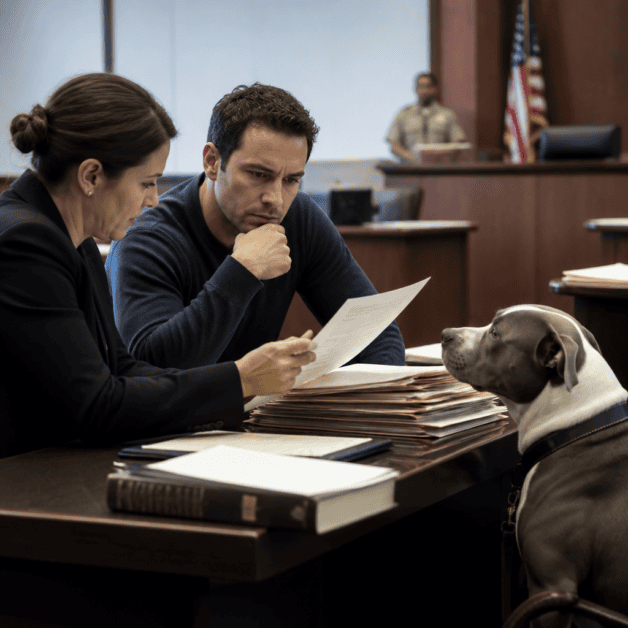
How to File a Dangerous Dog Hearing Appeal in Los Angeles County After a Quarantine or Euthanasia Order
In Los Angeles County, you typically have about **10 calendar days** to appeal a dangerous dog determination after receiving notice of a quarantine or euthanasia order. These cases often start with Los Angeles County Department of Animal Care and Control (DACC) or a city animal control agency and can move quickly from impound to hearing. This article explains the appeal process, deadlines, evidence, hearing strategy, and court options in Los Angeles County.
What a “Dangerous Dog” Order Can Mean in Los Angeles County
In Los Angeles County, a “dangerous dog” determination is not just a label—it can trigger immediate restrictions and severe outcomes. Depending on the facts and the agency’s findings, an owner may face (1) mandatory quarantine and confinement requirements, (2) registration and enclosure rules, (3) muzzle and leash conditions, (4) fines and fees, and in the most urgent cases, (5) an order that the dog be euthanized.
These orders usually arise after an alleged bite, attack, or repeated aggressive incidents reported to animal control. The investigating agency may be the Los Angeles County Department of Animal Care and Control (DACC) for unincorporated areas and contract cities, or a separate city animal services department (for example, the City of Los Angeles Department of Animal Services). The procedures vary by jurisdiction, but the core theme is the same: the process moves fast, and the record you build early often determines the outcome.
Know the Clock: Typical Appeal Deadlines and Why They Matter
Most Los Angeles County-area dangerous dog determinations come with a short window to request a hearing or file an appeal—often stated in the notice as about 10 calendar days from service or mailing. Missing the deadline can allow the order to become final, which may make it harder to prevent euthanasia or retrieve the dog from impound.
Practice tip: Treat the deadline as immovable. File the appeal request immediately—even if you are still gathering evidence. You can typically supplement your evidence later, but you may not be able to revive a late appeal.
If you did not receive proper notice (wrong address, not served, language barriers, or you were hospitalized/incapacitated), ask counsel about requesting relief based on lack of due process or defective service. These arguments are fact-specific and depend on the agency’s rules and the notice method.
Step-by-Step: How to File a Dangerous Dog Hearing Appeal in Los Angeles County
1) Identify the issuing agency and read the order carefully
Your notice should identify the agency (DACC or city animal services), the case number, the dog’s impound status, and the determination (quarantine requirements, dangerous/vicious designation, restrictions, or euthanasia). It should also state how to request a hearing, where to file, and the deadline.
2) Request the hearing/appeal in writing (and confirm receipt)
Follow the instructions on the notice. Many agencies accept a written request by email, online form, mail, or in-person filing. Your written request should include:
- Owner’s full name, address, phone, and email
- Dog’s name, breed/description, license/microchip (if available)
- Case/impound number
- A clear statement: “I request a hearing to appeal the dangerous dog determination and any quarantine/euthanasia order.”
- Request for a stay (pause) of euthanasia pending the hearing, if applicable
Immediately ask for written confirmation that your appeal was received and logged. If you email, request a read receipt and save a PDF copy of the sent email, attachments, and any auto-replies.
3) Request the full record: reports, photos, bodycam, audio, prior complaints
To prepare an effective appeal, you need the evidence the agency is relying on. Ask for:
- Animal control incident reports and witness statements
- Photos of injuries, property damage, and the scene
- Any video (body-worn camera, surveillance, phone footage)
- Veterinary records if other animals were injured
- Bite reports, rabies/quarantine documentation, and impound logs
- Prior calls for service involving the dog/address (if referenced)
Agencies commonly provide records through an administrative request process and may charge copying fees. If time is critical because euthanasia is pending, have an attorney request expedited production and press for a prompt hearing date.
4) Secure the dog’s legal status during the appeal (impound, quarantine, release)
Orders often require quarantine—sometimes at a shelter, a veterinary facility, or at home under strict confinement rules. If your dog is impounded, you may have limited visitation and strict timelines for payment of boarding fees.
Ask whether you can post a bond, provide proof of rabies vaccination, and arrange for an approved home quarantine. Some jurisdictions allow conditional release if you meet safety conditions (secure enclosure, signage, muzzle/leash rules, insurance). If the dog is at risk of euthanasia, your appeal should include a request for an immediate stay pending the outcome.
What You Must Prove at the Hearing: Legal and Practical Themes
While definitions vary across municipal codes and county ordinances, most dangerous/vicious dog determinations hinge on proof of aggressive conduct and the level of injury or threat. The hearing officer typically evaluates:
- What happened: Was there a bite? An attack? Repeated menacing behavior?
- Severity: Puncture wounds, multiple bites, hospitalization, disfigurement, or death of another animal.
- Causation and control: Was the dog provoked? Did the victim trespass? Was the dog restrained?
- Identity: Was your dog correctly identified as the biting dog?
- Owner responsibility: Leash laws, enclosure, prior incidents, corrective steps.
- Public safety measures: Whether restrictions short of euthanasia can reasonably protect the community.
In euthanasia cases, the agency often argues that no lesser remedy will protect the public. Your job is to challenge that conclusion with credible facts and a structured safety plan.
Evidence That Wins (or Loses) Dangerous Dog Appeals
Strong evidence to gather
- Neutral video footage: Ring/doorbell cameras, surveillance, or street footage showing provocation, trespass, or the dog’s restraint.
- Medical/vet records: Showing injury severity (or lack of it) and timelines.
- Scene documentation: Photos measuring fence height, gate latches, signage, and whether the dog could access the public.
- Witness statements: From unbiased neighbors, delivery workers, or bystanders.
- Behavioral evaluation: A professional assessment from a qualified trainer/behaviorist, ideally with a written report.
- Remediation plan: Receipts and installation photos for new fencing, self-closing gates, locks, and muzzle training.
- Compliance history: License, microchip, rabies vaccination, and lack of prior verified incidents.
Evidence pitfalls to avoid
- Contradictory explanations: Changing your story undermines credibility.
- Social media posts: Prior “guard dog” comments or aggressive-themed posts can be used against you.
- Unverified character letters: “He’s sweet” letters help less than objective proof and training documentation.
- Failure to address safety: Even if you dispute the facts, propose a safety plan as an alternative remedy.
Hearing Strategy: How to Argue for Release or for Conditions Short of Euthanasia
Dangerous dog hearings are often administrative proceedings—less formal than court, but still evidence-driven. A persuasive presentation typically includes:
Theme 1: Attack narrative vs. incident reality
Agencies may describe an “attack,” but the underlying facts may show a single nip, a minor puncture, or a defensive reaction. Clarify the timeline and challenge exaggerations with objective evidence (photos, medical records, timestamps, and diagrams).
Theme 2: Legal defenses and mitigating factors
Common defenses include:
- Provocation: The victim hit, cornered, or startled the dog, or interfered with food, puppies, or confinement.
- Trespass/unlawful presence: The dog was on private property and the injured person entered without permission.
- Misidentification: Another dog bit, or the witness cannot reliably identify your dog.
- Owner exercised reasonable control: Leash in place, secure enclosure, or the incident resulted from an unforeseeable equipment failure that you have corrected.
Theme 3: A concrete, enforceable safety plan
If the hearing officer believes some risk exists, a well-designed plan can support an outcome short of euthanasia. A plan might include:
- Secure enclosure specifications (height, dig guards, locked gates)
- “Beware of Dog” signage where required/appropriate
- Muzzle and leash protocols (including type of muzzle and training schedule)
- Training with a credentialed professional and proof of completion
- Liability insurance coverage if required by local rules
- No-contact restrictions (e.g., keeping the dog away from a particular neighbor’s property line)
Example Scenarios in Los Angeles County
Example 1: Delivery














