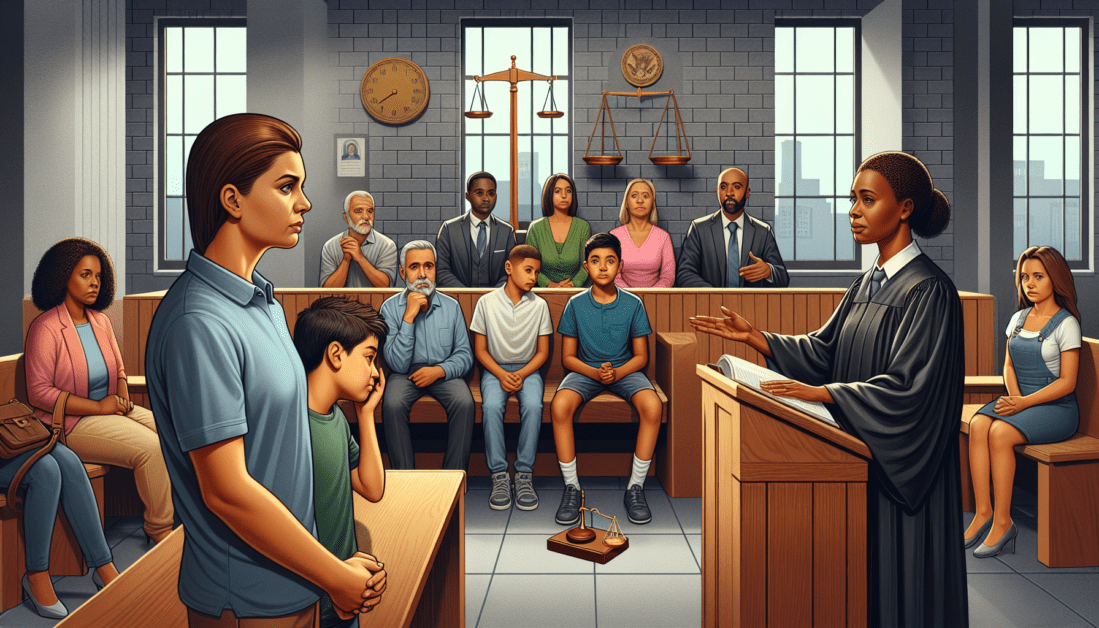
Juvenile Court System: Complete Guide for Parents
Understanding Juvenile Court: Purpose, Jurisdiction, and Key Differences from Adult Court
The juvenile court system serves a fundamentally different purpose than adult criminal courts. While adult courts focus primarily on punishment, juvenile courts aim to rehabilitate young offenders and help them become productive members of society. This approach recognizes that children and teenagers are still developing and have a greater capacity for change than adults.
Purpose of Juvenile Court
Juvenile courts were created to provide a more appropriate response to youth who break the law. The system operates on the belief that young people who commit crimes need guidance, education, and support rather than harsh punishment. The primary goals include:
- Rehabilitating the minor through counseling and educational programs
- Protecting public safety
- Holding youth accountable in age-appropriate ways
- Strengthening families whenever possible
Jurisdiction and Age Limits
Most states set the upper age limit for juvenile court jurisdiction at 17, meaning those 18 and older typically face adult court. However, this varies by state, with some setting the limit at 16 or 15. The juvenile court process generally handles cases involving minors accused of:
- Criminal offenses that would be crimes if committed by adults
- Status offenses (acts illegal only for minors, like truancy or curfew violations)
- Dependency matters involving abuse or neglect
Key Differences from Adult Court
Several important differences distinguish juvenile proceedings from adult criminal trials. In juvenile court, proceedings are typically closed to the public, protecting juvenile court confidentiality. Instead of a “trial,” minors have an “adjudication hearing.” If found responsible, they receive a “disposition” rather than a “sentence.” Parents rights in juvenile court include being present at hearings and participating in their child’s rehabilitation plan. The informal atmosphere and focus on the minor’s best interests create a vastly different experience from adult criminal proceedings.
Understanding Juvenile Court: Purpose, Jurisdiction, and Key Differences from Adult Court
The juvenile court system serves a fundamentally different purpose than adult criminal courts. While adult courts focus on punishment, juvenile courts aim to rehabilitate young offenders and help them become productive members of society. This approach recognizes that children and teenagers are still developing and have greater potential for positive change.
Purpose of Juvenile Court
Juvenile courts operate on the principle of parens patriae, meaning the state acts as a parent figure. The primary goals include:
- Rehabilitation rather than punishment
- Protecting the community while helping the youth
- Providing support services to address underlying issues
- Maintaining juvenile court confidentiality to protect the minor’s future
Jurisdiction and Age Limits
Most states set the maximum age for juvenile court jurisdiction at 17, though this varies. The juvenile court process typically handles cases involving:
- Criminal offenses committed by minors
- Status offenses like truancy or curfew violations
- Dependency cases involving neglect or abuse
Key Differences from Adult Court
Understanding these differences helps parents navigate the system effectively. In juvenile court, proceedings are called adjudications, not trials. Minors are found delinquent rather than guilty. The atmosphere is less formal, and judges have more flexibility in determining outcomes.
Parents rights juvenile court proceedings include being present during hearings, accessing legal representation for their child, and participating in the rehabilitation process. The focus remains on the best interests of the child while balancing public safety concerns.
Most importantly, juvenile records are typically sealed or expunged, giving young people a chance to move forward without a permanent criminal record affecting their education and employment opportunities.
Understanding Juvenile Court: Purpose, Jurisdiction, and Key Differences from Adult Court
The juvenile court system operates with a fundamentally different philosophy than adult criminal courts. While adult courts focus on punishment, juvenile courts prioritize rehabilitation and helping young people become productive members of society. Understanding these differences is crucial for parents navigating the juvenile court process.
Purpose of Juvenile Court
Juvenile courts were created to provide specialized handling of cases involving minors, typically those under 18 years old. The primary goals include:
- Rehabilitating young offenders rather than punishing them
- Protecting the community while addressing the child’s needs
- Providing support services to help prevent future offenses
- Maintaining juvenile court confidentiality to protect the minor’s future
Jurisdiction and Age Limits
Each state sets its own age limits for juvenile court jurisdiction. Most states define juveniles as individuals under 18, though some states set the limit at 16 or 17. The court handles various cases including delinquency matters, status offenses like truancy or curfew violations, and dependency cases involving abuse or neglect.
Key Differences from Adult Court
Several important distinctions set juvenile court apart from adult proceedings. In juvenile court, proceedings are typically closed to the public to maintain confidentiality. Instead of a criminal trial, juveniles have adjudication hearings. Rather than being found guilty, they may be found delinquent. The focus remains on treatment and education rather than incarceration.
Parents rights in juvenile court include being notified of proceedings, attending hearings, and participating in their child’s case. The informal atmosphere and specialized judges trained in child development create an environment focused on helping young people learn from their mistakes and move forward positively.
Understanding Juvenile Court: Purpose, Jurisdiction, and Key Differences from Adult Court
The juvenile court system serves a unique purpose in our justice system. Unlike adult courts that focus on punishment, juvenile courts aim to rehabilitate young people who have broken the law. This fundamental difference shapes every aspect of how these courts operate.
Purpose of Juvenile Court
Juvenile courts exist to help young offenders become productive members of society. The system recognizes that children and teenagers make mistakes and deserve a chance to learn from them. Instead of harsh sentences, judges focus on treatment programs, counseling, and educational support.
Jurisdiction and Age Limits
Most states set the maximum age for juvenile court at 17, though this varies. The court handles cases involving:
- Criminal offenses committed by minors
- Status offenses like truancy or running away
- Dependency cases involving neglect or abuse
Key Differences from Adult Court
The juvenile court process differs significantly from adult proceedings. First, juvenile court confidentiality protects young people’s futures by keeping records sealed in most cases. Second, parents rights in juvenile court include being present at hearings and participating in their child’s case plan.
Instead of trials, juveniles have “adjudication hearings.” Rather than being found guilty, they are “adjudicated delinquent.” The focus remains on the child’s best interests, not just the offense committed.
Understanding these differences helps parents navigate the juvenile court system more effectively. The goal is always rehabilitation over punishment, giving young people the tools they need to make better choices and avoid future involvement with the justice system.
Understanding Juvenile Court: Purpose, Jurisdiction, and Key Differences from Adult Court
The juvenile court system serves a unique purpose in our legal system, focusing on rehabilitation rather than punishment for young offenders. Unlike adult criminal courts, juvenile courts operate with the belief that children and teenagers can change their behavior with proper guidance and support.
Purpose of Juvenile Court
Juvenile courts aim to help young people who have broken the law become productive members of society. The court considers the child’s best interests while also ensuring public safety. This approach recognizes that young minds are still developing and that early intervention can prevent future criminal behavior.
Jurisdiction and Age Limits
Most states set the maximum age for juvenile court jurisdiction at 17, though this varies by location. The court typically handles cases involving:
- Criminal offenses committed by minors
- Status offenses (acts that are only illegal for minors, like truancy or curfew violations)
- Dependency matters involving abuse or neglect
Key Differences from Adult Court
The juvenile court process differs significantly from adult proceedings. In juvenile court, cases are heard by a judge rather than a jury. The proceedings maintain greater confidentiality to protect the minor’s future opportunities. Instead of being found guilty, juveniles are “adjudicated delinquent,” and they receive “dispositions” rather than sentences.
Understanding these differences helps parents navigate the juvenile court system more effectively. Parents’ rights in juvenile court include being notified of proceedings, attending hearings, and participating in their child’s case. The court recognizes that family involvement often plays a crucial role in successful rehabilitation.
Throughout the juvenile court process, the focus remains on providing resources, counseling, and educational opportunities that address the underlying issues leading to the child’s behavior.