Public Intoxication Laws: What You Need to Know
Understanding Public Intoxication Laws and Legal Definitions Across Jurisdictions
Public intoxication laws vary significantly across the United States, with each state and local jurisdiction establishing its own rules about drinking in public spaces. While some states treat public intoxication as a criminal offense, others have decriminalized it entirely or handle it as a civil matter.
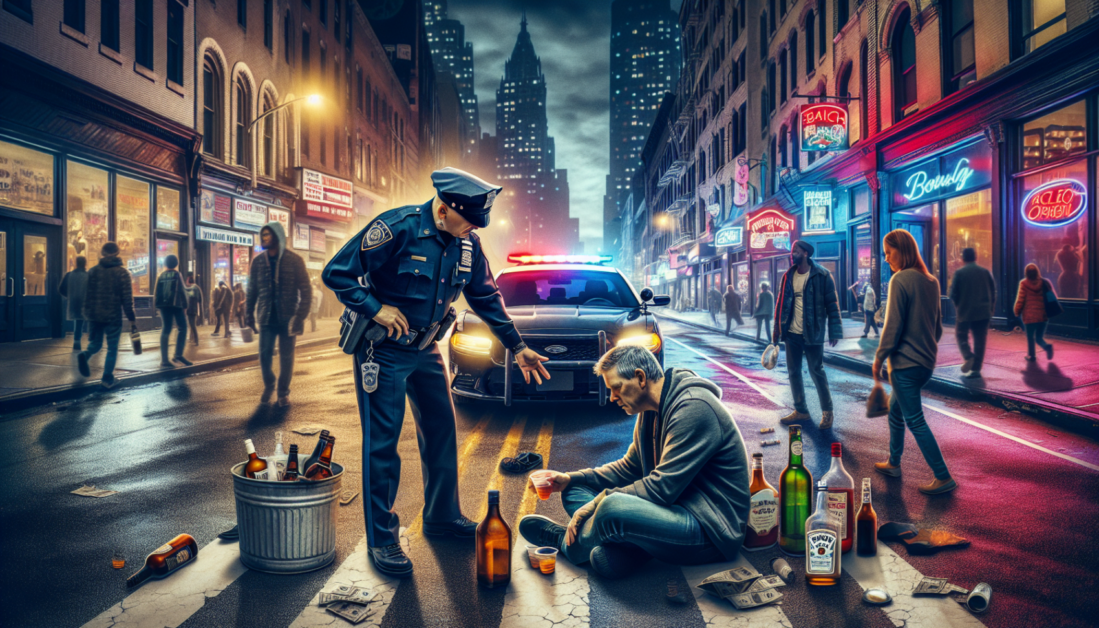
Generally, public intoxication occurs when a person appears in a public place while under the influence of alcohol or drugs to the degree that they may endanger themselves, others, or property. However, the specific legal definitions differ widely. Some jurisdictions require proof that the intoxicated person was causing a disturbance, while others simply prohibit being visibly drunk in public.
Key Elements of Public Intoxication
Most public intoxication laws include these common elements:
- Public place: Streets, sidewalks, parks, restaurants, bars, and transportation facilities
- Level of intoxication: Visible impairment that affects normal functioning
- Behavior: May include disorderly conduct, inability to care for oneself, or creating safety hazards
Some states like Nevada and Montana have no statewide public intoxication laws, while others like Texas and California maintain strict enforcement. In jurisdictions where arrests occur, individuals may need public defender appointment if they cannot afford private counsel.
Penalties and Consequences
Penalties for public intoxication typically include:
- Fines ranging from $25 to $1,000
- Community service requirements
- Short jail sentences (usually under 30 days)
- Mandatory alcohol education programs
It’s important to note that a public intoxication conviction can have lasting consequences, potentially affecting employment opportunities and professional licenses. Understanding your local laws and knowing your rights can help protect you from unnecessary legal troubles.
Understanding Public Intoxication Laws and Legal Definitions Across Jurisdictions
Public intoxication laws vary significantly across the United States, with each state and local jurisdiction setting its own standards for what constitutes illegal public drunkenness. Generally, public intoxication occurs when a person appears in a public place while under the influence of alcohol or drugs to a degree that they may endanger themselves, others, or property.
Most jurisdictions define public intoxication using three main elements:
- Public place: Any area accessible to the general public, including streets, parks, bars, restaurants, and common areas of apartment buildings
- Intoxication level: Being visibly drunk or impaired, often determined by behavior rather than specific blood alcohol content
- Disturbance or danger: Creating a risk to personal safety or disturbing the peace
It’s important to note that some states have completely decriminalized public intoxication, viewing it as a health issue rather than a criminal matter. States like Minnesota, Wisconsin, and Montana have no statewide public intoxication laws, though local ordinances may still apply.
If arrested for public intoxication, you may have the right to public defender appointment if you cannot afford an attorney. However, since public intoxication is typically a misdemeanor, public defender caseload limitations might affect the amount of time your attorney can dedicate to your case.
The penalties for public intoxication usually include:
- Fines ranging from $25 to $1,000
- Up to 30 days in jail
- Community service requirements
- Mandatory substance abuse counseling
Understanding your local laws is crucial, as what’s legal in one city might result in arrest in another. Always check your specific jurisdiction’s regulations to stay informed and avoid legal trouble.
Understanding Public Intoxication Laws and Legal Definitions Across Jurisdictions
Public intoxication laws vary widely across the United States, with each state and local jurisdiction establishing its own rules and penalties. Generally, public intoxication occurs when a person appears in a public place while visibly drunk or under the influence of drugs to the point where they may endanger themselves, others, or property.
The legal definition of public intoxication typically includes three main elements:
- Being in a public place – This includes streets, parks, bars, restaurants, and common areas of buildings
- Being intoxicated – Showing clear signs of impairment from alcohol or drugs
- Creating a disturbance or danger – Acting in a way that disrupts peace or poses risks
Not all states treat public intoxication as a criminal offense. Some states have decriminalized it entirely, while others classify it as a misdemeanor punishable by fines, community service, or short jail terms. For example, states like Alaska, Minnesota, and Wisconsin have no statewide public intoxication laws, while others like Texas and California maintain strict enforcement.
If arrested for public intoxication, you may qualify for public defender appointment if you cannot afford an attorney. Public defenders handle these cases regularly, though public defender caseload limitations can affect the time they can dedicate to each case.
It’s important to note that a public intoxication arrest can have consequences beyond criminal penalties. It may constitute public policy violations termination grounds for certain jobs, especially in government or safety-sensitive positions. Additionally, those pursuing careers in public service should understand how such arrests might affect their Public Service Loan Forgiveness eligibility.
Understanding your local laws and knowing your rights can help you navigate these situations more effectively and protect your future opportunities.
Understanding Public Intoxication Laws and Legal Definitions Across Jurisdictions
Public intoxication laws vary significantly across the United States, with each state and local jurisdiction having its own approach to handling alcohol-related offenses in public spaces. Understanding these differences is crucial for anyone who wants to stay on the right side of the law.
At its core, public intoxication refers to being visibly drunk or under the influence of drugs in a public place. However, the specific definition depends on where you are. Some states define it as being so intoxicated that you pose a danger to yourself or others, while other jurisdictions focus on disruptive behavior or the inability to care for your own safety.
Not all states have public intoxication laws. For example, states like Nevada and Missouri have no statewide prohibition against being drunk in public. However, local cities and counties in these states may still have their own ordinances. On the other hand, states like Texas and California have specific statutes that make public intoxication a criminal offense.
The penalties for public intoxication also vary widely. In some places, it’s treated as a minor violation similar to a traffic ticket, while in others, it can result in:
- Fines ranging from $25 to $1,000
- Jail time from a few hours to 30 days
- Community service requirements
- Mandatory alcohol education programs
If you’re arrested for public intoxication and cannot afford an attorney, you may qualify for public defender appointment. The availability and process for obtaining a public defender depends on your income level and the severity of the charge in your jurisdiction.
Understanding your local laws is essential, as what’s legal in one city might result in arrest just across the county line. When in doubt, the safest approach is to arrange safe transportation when drinking and avoid potentially problematic situations in public spaces.
Understanding Public Intoxication Laws and Legal Definitions Across Jurisdictions
Public intoxication laws vary significantly across the United States, with each state and local jurisdiction setting its own rules about drinking in public spaces. Understanding these laws can help you avoid unexpected legal troubles and know your rights if you’re ever charged with this offense.
What Is Public Intoxication?
Public intoxication occurs when someone appears in a public place while under the influence of alcohol or drugs to the point where they may endanger themselves, others, or property. The key elements typically include:
- Being in a public place (streets, parks, stores, or restaurants)
- Showing visible signs of intoxication
- Creating a disturbance or posing a danger
State-by-State Differences
Not all states treat public intoxication the same way. Some states have completely decriminalized it, viewing intoxication as a health issue rather than a criminal matter. Others maintain strict enforcement with potential jail time and fines. For example, states like Alaska and Minnesota don’t have statewide public intoxication laws, while Texas and California actively enforce them.
Common Defenses and Rights
If you’re charged with public intoxication, you have important rights. You may be eligible for public defender appointment if you cannot afford an attorney. Common defenses include challenging whether you were actually in a public place, questioning the officer’s assessment of intoxication, or arguing that you weren’t causing a disturbance.
Understanding local laws is crucial since enforcement varies widely. What’s acceptable in one city might result in arrest in another. Always research local ordinances when traveling, and remember that being intoxicated in public becomes illegal only when combined with disorderly conduct or creating safety concerns.