Appellate Court

Explore a wealth of information related to appellate courts, including in-depth articles, video interviews with legal experts, and comprehensive glossary definitions. Visitors will gain insights into the appellate process, key legal concepts, and significant rulings that shape the judicial landscape. Whether you’re a legal professional or a person seeking to understand appellate law, this section offers valuable resources to enhance your knowledge and navigate the complexities of the legal system.

Appellate Court: Key Legal Processes and Functions Explained

Appellate Court – Legal Processes and Functions

An appellate court reviews a lower court’s decision for legal error—typically based on the existing record—and may affirm, reverse, modify, or remand the case. Unlike trial courts, appellate courts generally do not hear new evidence or witness testimony, focusing instead on briefs and oral argument. This article explains how appellate courts work, the steps in

Appellate Court – Legal Processes and Functions Read More »
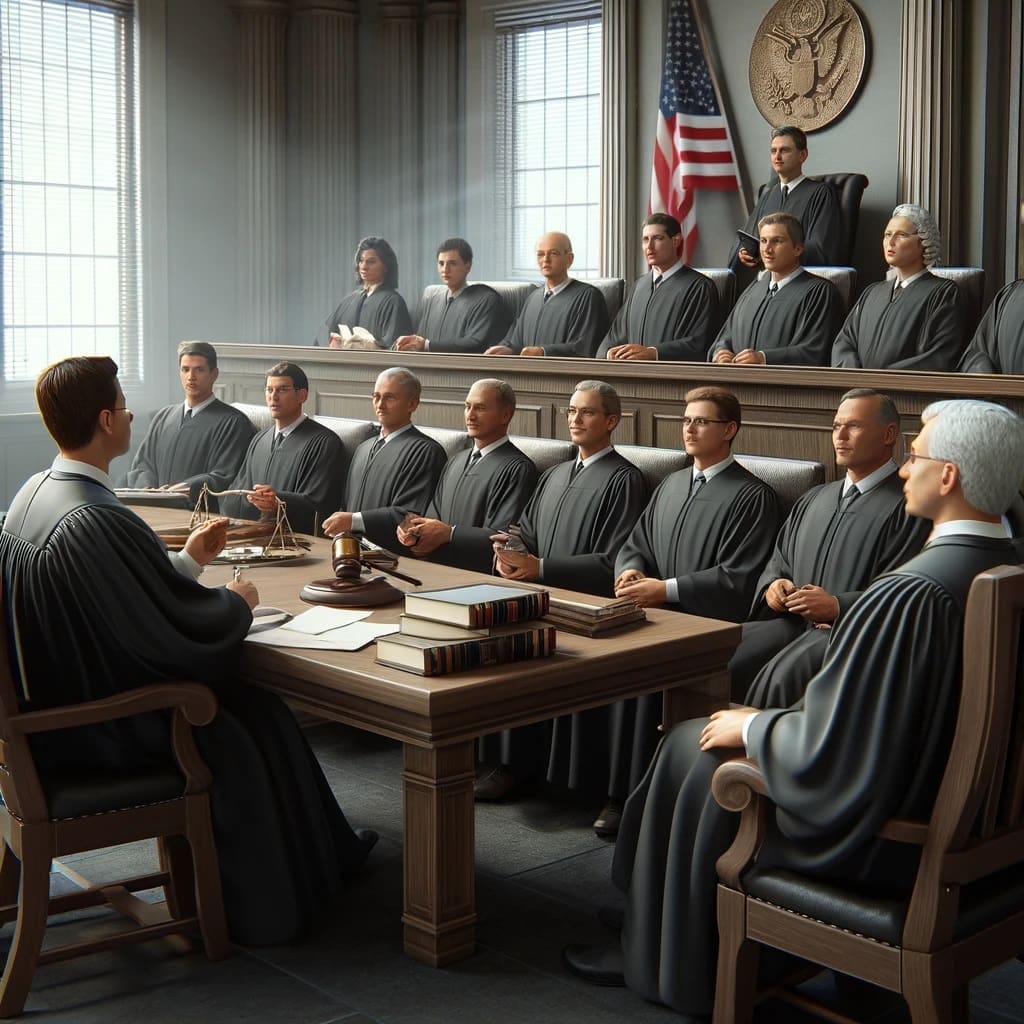
Insightful Deliberation by Appellate Judges During Legal Appeal

The Role and Influence of Appellate Courts in the Judicial System

Appellate courts review lower-court decisions for legal error and can affirm, reverse, modify, or remand a case. They generally do not retry facts; instead, they focus on issues like procedure, statutory interpretation, and constitutional rights to promote consistency across the legal system. This article explains how appellate courts work, their standards of review, and their

The Role and Influence of Appellate Courts in the Judicial System Read More »

Amicus Curiae Brief Explained by Expert in Courtroom Setting

The Impact of Amicus Curiae in Modern Legal Systems

Amicus curiae (“friend of the court”) briefs can materially influence appellate decisions by supplying specialized facts, policy context, and legal arguments beyond the parties’ filings. Common in high-stakes constitutional, regulatory, and civil rights cases, they help courts assess broader consequences and emerging expertise. This article explains what amicus curiae is, how and when briefs are

The Impact of Amicus Curiae in Modern Legal Systems Read More »

Intense Legal Discussion Over Abuse of Discretion in Court

Mastering the Intricacies of Abuse of Discretion in Legal Decisions

Abuse of discretion exists when a court’s decision falls outside the range of reasonable choices and is arbitrary, capricious, or irrational. Appellate courts use this deferential standard to decide whether to affirm or reverse rulings in areas like evidence, sentencing, and family-law orders. This article explains the test, common examples, and how to argue abuse

Mastering the Intricacies of Abuse of Discretion in Legal Decisions Read More »

Scroll to Top