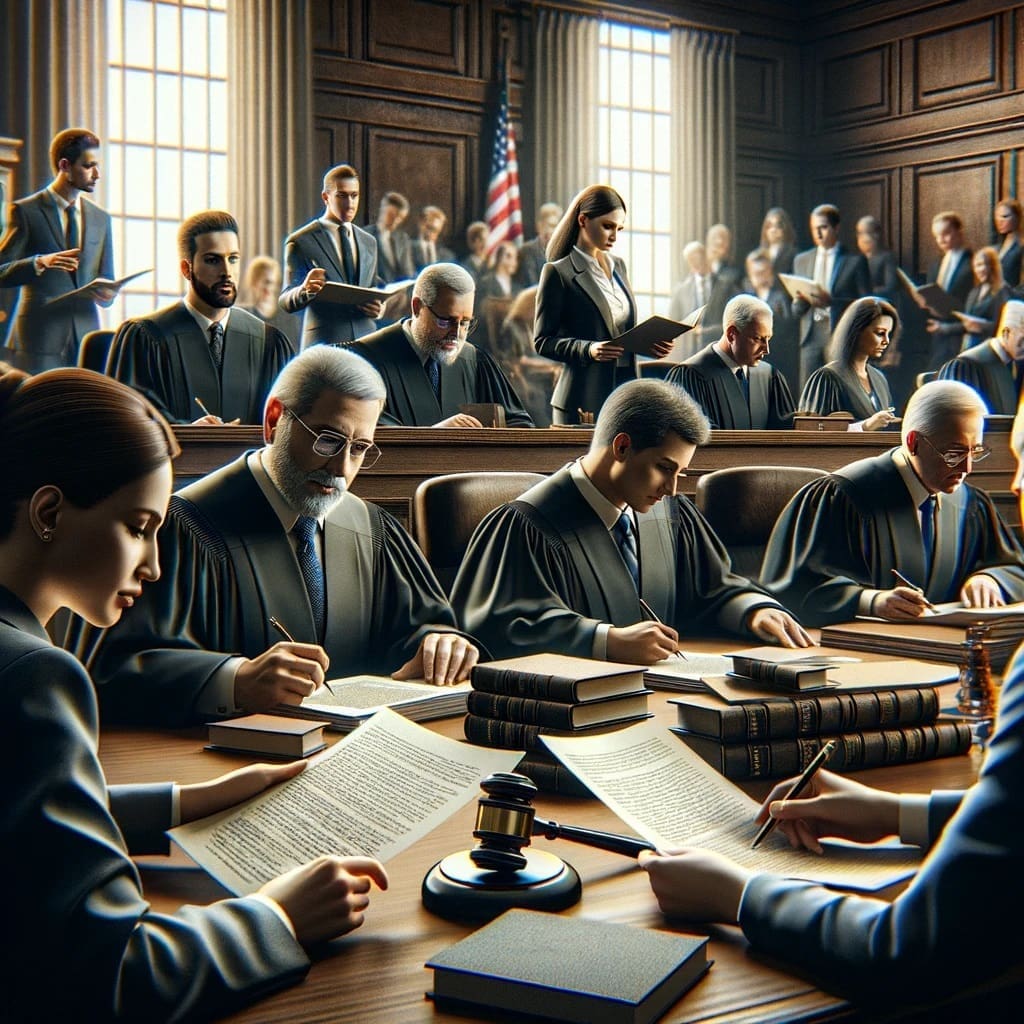
Appellate Court

Explore a wealth of information related to appellate courts, including in-depth articles, video interviews with legal experts, and comprehensive glossary definitions. Visitors will gain insights into the appellate process, key legal concepts, and significant rulings that shape the judicial landscape. Whether you’re a legal professional or a person seeking to understand appellate law, this section offers valuable resources to enhance your knowledge and navigate the complexities of the legal system.

Before Hiring an Appeals Lawyer in Rockville MD Make Sure You Ask These Key Questions

What Should You Ask Before Hiring an Appeals Lawyer in Rockville, MD?

Before hiring an appeals lawyer in Rockville, MD, ask at least 7 questions about appellate experience, issue spotting, deadlines, fees, and expected outcomes. Appeals rely on the trial record and strict Maryland filing rules, so the right fit matters. This article lists the essential questions to vet counsel and understand the appeals process. A criminal

What Should You Ask Before Hiring an Appeals Lawyer in Rockville, MD? Read More »

Professional Legal Meeting on Bail in Error and Its Consequences

Bail in Error: How Do You Challenge Incorrect Bail Decisions?

You can challenge an incorrect bail decision by requesting a bail review or appeal in the appropriate court, often on grounds like legal error, new evidence, or changed circumstances. Bail outcomes can be reversed when the original decision misapplied the law or overlooked key facts affecting flight risk or public safety. This article explains who

Bail in Error: How Do You Challenge Incorrect Bail Decisions? Read More »

Navigating the Appeals Journey

Criminal Appeals Process: Fighting a Wrongful Conviction

A criminal appeal asks a higher court to review a conviction for legal error and can result in a new trial, a modified sentence, or reversal of the conviction. Appeals are time‑sensitive and focus on mistakes in the trial record—such as improper rulings, flawed jury instructions, or insufficient evidence—rather than new testimony. This article explains

Criminal Appeals Process: Fighting a Wrongful Conviction Read More »

Trump's Legal Stance in New York

Trump’s $489 Million Fraud Appeal: Key Arguments, Judicial Concerns, and Potential Outcomes

Trump is appealing a $489 million New York civil fraud judgment. Appellate judges have questioned the damages and scope of remedies, signaling possible reduction, modification, or affirmance of the ruling. This article summarizes Trump’s key arguments, the court’s concerns, and the most likely outcomes on appeal. In a high-stakes legal battle that has captured national

Trump’s $489 Million Fraud Appeal: Key Arguments, Judicial Concerns, and Potential Outcomes Read More »

Legal Insights on Convictions: Implications and Appeals Explained

Understanding Convictions – Legal Implications and Appeals

A conviction is a formal finding of guilt—by guilty plea, no-contest plea, or a judge/jury verdict—that can trigger fines, jail or prison, probation, and long-term collateral consequences. It becomes part of your criminal record and may be appealable or eligible for post-conviction relief depending on deadlines and legal errors. This article explains what counts as

Understanding Convictions – Legal Implications and Appeals Read More »

Appellate Court: Key Legal Processes and Functions Explained

Appellate Court – Legal Processes and Functions

An appellate court reviews a lower court’s decision for legal error—typically based on the existing record—and may affirm, reverse, modify, or remand the case. Unlike trial courts, appellate courts generally do not hear new evidence or witness testimony, focusing instead on briefs and oral argument. This article explains how appellate courts work, the steps in

Appellate Court – Legal Processes and Functions Read More »

Insightful Deliberation by Appellate Judges During Legal Appeal

The Role and Influence of Appellate Courts in the Judicial System

Appellate courts review lower-court decisions for legal error and can affirm, reverse, modify, or remand a case. They generally do not retry facts; instead, they focus on issues like procedure, statutory interpretation, and constitutional rights to promote consistency across the legal system. This article explains how appellate courts work, their standards of review, and their

The Role and Influence of Appellate Courts in the Judicial System Read More »

Intense Legal Discussion Over Abuse of Discretion in Court

Mastering the Intricacies of Abuse of Discretion in Legal Decisions

Abuse of discretion exists when a court’s decision falls outside the range of reasonable choices and is arbitrary, capricious, or irrational. Appellate courts use this deferential standard to decide whether to affirm or reverse rulings in areas like evidence, sentencing, and family-law orders. This article explains the test, common examples, and how to argue abuse

Mastering the Intricacies of Abuse of Discretion in Legal Decisions Read More »

Scroll to Top