Bankruptcy Proceedings

Explore a comprehensive collection of resources related to bankruptcy proceedings, including informative articles, expert video interviews with attorneys, and detailed legal glossary definitions. Visitors will gain insights into various types of bankruptcy, the filing process, and the implications for individuals and businesses. Whether you’re seeking guidance on Chapter 7, Chapter 11, or Chapter 13 bankruptcy, our content is designed to provide essential information and support for navigating the complexities of bankruptcy law.

Strategic Discussion on Balance-Sheet Insolvency in Corporate Setting

Why Should Firms Act Quickly When Insolvent Assets Exceed Liabilities?

Firms should act immediately because balance-sheet insolvency means liabilities exceed assets, signaling heightened risk of default and director exposure. Early action can preserve asset value, explore restructuring options, and reduce wrongful trading or preference claim risks. This article explains balance-sheet insolvency, warning signs, and urgent steps firms should take. In the intricate world of corporate […]

Why Should Firms Act Quickly When Insolvent Assets Exceed Liabilities? Read More »

Bankruptcy Guidance in Action: A Professional Attorney-Client Meeting

What Qualities Should I Look for in a Bankruptcy Lawyer?

Look for at least 3 key qualities in a bankruptcy lawyer: bankruptcy-specific experience, transparent fees, and strong communication. Local court familiarity and a track record with Chapter 7 or Chapter 13 cases can improve outcomes. This article explains how to evaluate credentials, consultations, and fit for your financial situation. Finding the right bankruptcy attorney involves

What Qualities Should I Look for in a Bankruptcy Lawyer? Read More »

Navigate Bankruptcy Sales with Confidence: Legal Expertise Awaits

When Can Creditors Challenge Bankruptcy Sales?

Creditors can challenge a bankruptcy sale before the sale order becomes final—typically within 14 days under Bankruptcy Rule 8002—or later if fraud, lack of notice, or collusion is proven. After closing, §363(m) often bars reversal on appeal if the buyer acted in good faith, making prompt objections essential. This article explains the main legal grounds,

When Can Creditors Challenge Bankruptcy Sales? Read More »

Legal Expertise in Action: Bankruptcy Administrator's Courtroom Presentation

Why Are Bankruptcy Administrators Important for Debtors?

Bankruptcy Administrators oversee bankruptcy cases in 2 states—Alabama and North Carolina—to ensure trustees and parties follow court rules. Their court-based supervision helps protect debtors through consistent administration and accountability in Chapter 7, 11, 12, and 13 cases. This article explains their duties, how they differ from U.S. Trustees, and what debtors should expect. In the

Why Are Bankruptcy Administrators Important for Debtors? Read More »

Experts Collaborating on Corporate Bankruptcy Solutions

What Triggers the Best Debt Relief Options?

The best debt relief options are typically triggered after 3–6 months of missed payments or when debt payments exceed 40% of monthly income. Creditor lawsuits, wage garnishment, or imminent foreclosure/repossession are strong signals to evaluate bankruptcy or other relief. This article explains bankruptcy’s role and how to choose the right path to a financial fresh

What Triggers the Best Debt Relief Options? Read More »

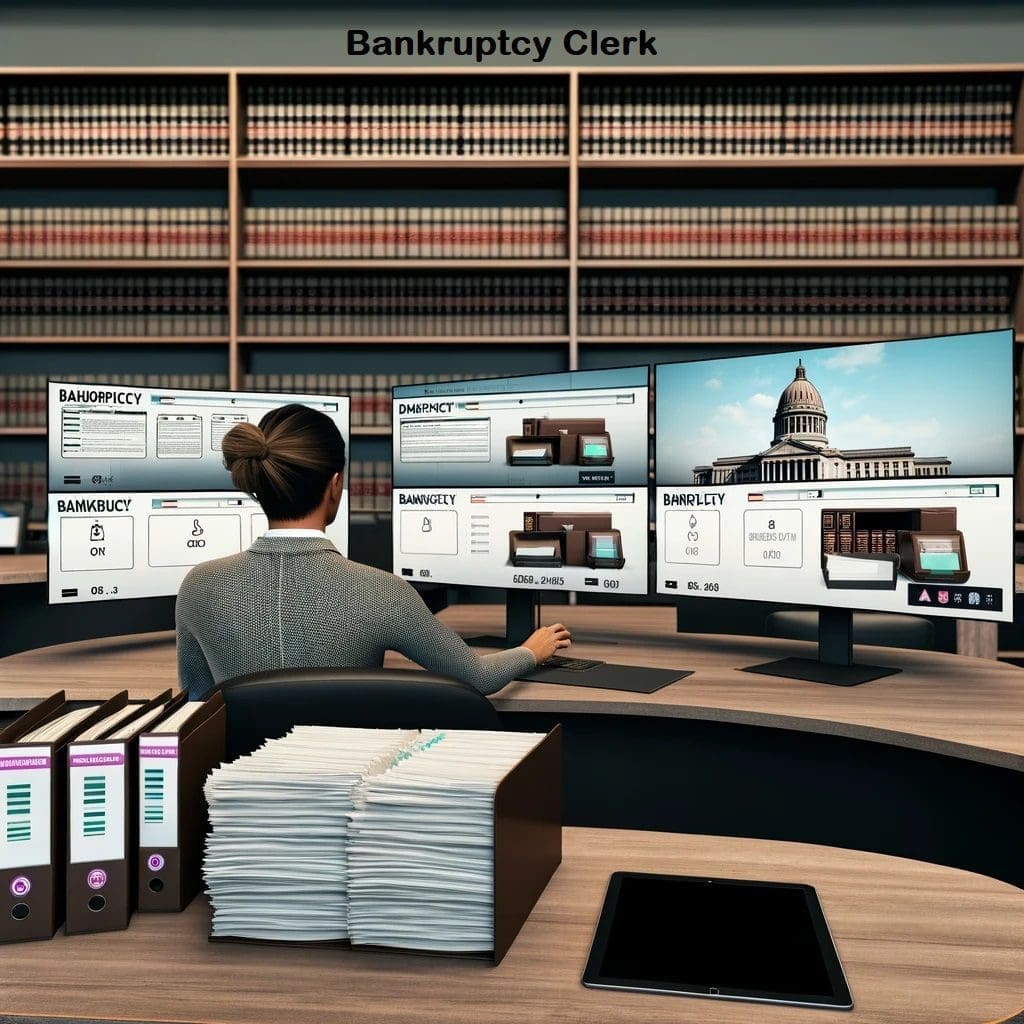
Bankruptcy Clerk in Action: Merging Tradition with Technology in Court

What to know about bankruptcy clerks in court.

A bankruptcy clerk in court manages case filings, docket entries, notices, fees, and hearing calendars to keep bankruptcy proceedings on track. Clerks support bankruptcy judges and ensure records are accurate and deadlines are met for debtors and creditors. This article explains core responsibilities, what clerks can’t do (legal advice), and how to work with the

What to know about bankruptcy clerks in court. Read More »

FTX Bankruptcy Plan Confirmed

FTX Fallout Continues: Bankman-Fried Sentenced as Bankruptcy Court Confirms Reorganization Plan

Sam Bankman-Fried was sentenced in federal court as the FTX bankruptcy proceeded, with the bankruptcy court confirming FTX’s reorganization plan. The developments mark a major turning point in both the criminal case and the Chapter 11 process, setting the framework for asset recovery and creditor payouts. This article breaks down the sentencing outcome, what plan

FTX Fallout Continues: Bankman-Fried Sentenced as Bankruptcy Court Confirms Reorganization Plan Read More »

Legal Consultation for Protecting Property During Bankruptcy

How Can a Bankruptcy Lawyer Help Protect My Property?

A bankruptcy lawyer can protect key property in most cases by using state or federal exemptions and the automatic stay that stops collections immediately upon filing. They evaluate what you can keep, handle creditor challenges, and structure the case to reduce risk of liquidation. This article explains how bankruptcy affects assets and the strategies lawyers

How Can a Bankruptcy Lawyer Help Protect My Property? Read More »

Deciphering Court Decisions: Inside the Mind of Bankruptcy Judges

How Bankruptcy Judges Make Decisions In Court Cases

Bankruptcy judges decide cases by applying the U.S. Bankruptcy Code and local rules to the evidence and arguments presented at hearings. They weigh eligibility, good faith, exemptions, creditor objections, and feasibility before confirming plans, granting discharges, or dismissing cases. This article explains the key factors judges consider and how common rulings are made. Bankruptcy judges

How Bankruptcy Judges Make Decisions In Court Cases Read More »

Scroll to Top