consumer protection law

Explore insightful content that delves into the legal framework designed to safeguard consumers against unfair practices. Under this tag, visitors will find video interviews with seasoned attorneys discussing key aspects of consumer rights, comprehensive articles on deceptive trade practices, and resources on how to identify and address violations. This section serves as a valuable guide for understanding the complexities of consumer protection law and navigating legal recourse.

Person cutting cable and internet bundle cord

Forced Internet and Cable Bundles Are Now Illegal — Here’s How to Opt Out

Forced internet and cable bundles are now illegal under new federal consumer protection rules. Providers can’t require you to buy cable TV to get internet service or preferred speeds, and you can request unbundled pricing and dispute bundled charges. This article explains what changed, how to opt out, and what to do if a provider […]

Forced Internet and Cable Bundles Are Now Illegal — Here’s How to Opt Out Read More »

Elderly person receiving suspicious phone call

Grandparent Scams Using AI Voice – The 3 Verification Questions Every Family Should Agree On

Families should agree on 3 verification questions (a private safe-word, a known-only detail, and a callback-to-a-known-number rule) to stop AI voice grandparent scams. AI can clone a familiar voice from only a few seconds of audio, so voice alone isn’t proof. This article explains the questions, how to use them, and what to do if

Grandparent Scams Using AI Voice – The 3 Verification Questions Every Family Should Agree On Read More »

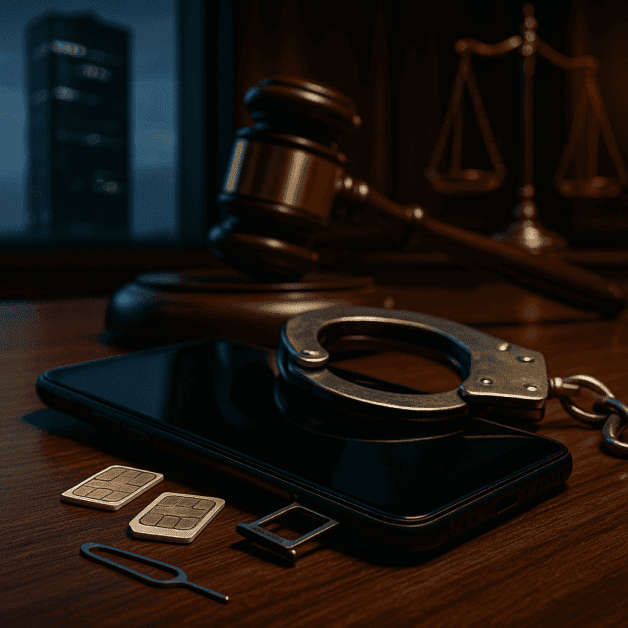
SIM card swap fraud concept with phone and lock

The SIM-Swap Theft Case That Made Telecom Giants Liable

A major SIM-swap theft case held telecom carriers financially liable for losses tied to unauthorized number transfers. Courts found weak identity verification and employee enablement can make carriers responsible when SIM swapping leads to account takeovers. This article explains the case, the legal theory of liability, and what victims can do next. When a Phone

The SIM-Swap Theft Case That Made Telecom Giants Liable Read More »

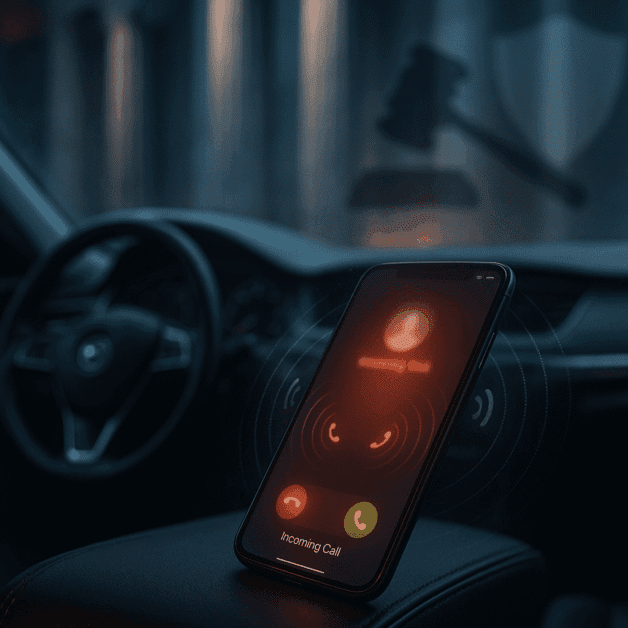
FCC cracks down on car warranty robocalls

Car Warranty Robocalls – The FCC Order That Made Them Enforcement Priority #1

The FCC has made “car warranty” robocalls its top enforcement priority under a new FCC Enforcement Advisory and related orders targeting illegal robocalling campaigns. These calls are widely linked to spoofing, lead generators, and sellers that violate the Telephone Consumer Protection Act (TCPA) and FCC rules. This article explains what the FCC order says, who

Car Warranty Robocalls – The FCC Order That Made Them Enforcement Priority #1 Read More »

Shield protecting a person from AI voice waves

Consumer Protection Against AI Voice Cloning – What You Can Actually Do

You can reduce AI voice cloning scam risk by using a family “safe word,” enabling MFA on accounts, and placing a free fraud alert with the credit bureaus. If you’re targeted, save evidence, report it to the platform and FTC, and contact banks immediately. This article explains practical steps, reporting routes, and legal remedies available

Consumer Protection Against AI Voice Cloning – What You Can Actually Do Read More »

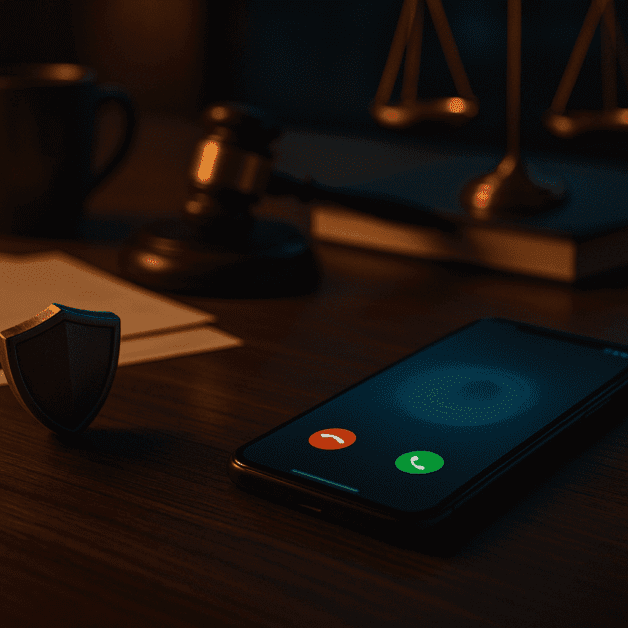
Robocall TCPA legal protection shield

Robocalls – Why the TCPA Is Still Your Best Weapon (Even After Bradford)

The TCPA still allows robocall victims to recover up to $500 per illegal call—and up to $1,500 per call if the violation is willful or knowing. Even after the *Bradford* decision, many autodialed or prerecorded calls and texts remain actionable when made without proper consent. This article explains what *Bradford* changed, what TCPA claims still

Robocalls – Why the TCPA Is Still Your Best Weapon (Even After Bradford) Read More »

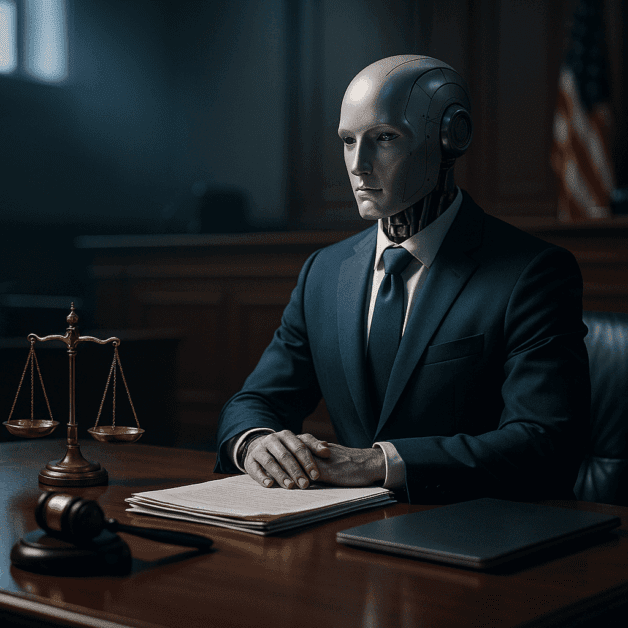
AI chatbot displaying legal advice on screen

Your Company’s AI Chatbot Just Became a Lawyer — That’s a Federal Problem

Yes—if your AI chatbot gives legal advice, it can trigger unauthorized practice of law liability, and federal regulators can also get involved. Businesses are responsible for chatbot outputs, especially when users rely on them for legal decisions. This article explains where chatbots cross the line, key federal/state risks, and practical compliance safeguards. When Your Chatbot

Your Company’s AI Chatbot Just Became a Lawyer — That’s a Federal Problem Read More »

Rent-to-own contract with fine print highlighted

Rent-to-Own Agreements – The Fine Print That Usually Favors the Seller

Rent-to-own agreements typically shift most risk to the buyer through nonrefundable option fees and “forfeit-on-default” terms. Missing one payment can mean losing accumulated credits and the right to buy, even after months or years. This article explains common clauses that favor sellers, key red flags, and what to review before signing. What Is a Rent-to-Own

Rent-to-Own Agreements – The Fine Print That Usually Favors the Seller Read More »

Robot therapist behind a red prohibition sign

The AI Therapy Ban – What 12 States Just Made Illegal

Twelve U.S. states have now made certain forms of AI-driven “therapy” illegal, restricting chatbots and other automated tools from providing mental health treatment or presenting themselves as licensed care. These bans generally target unlicensed practice, deceptive marketing, and unsafe clinical advice delivered without human oversight. This article explains which states enacted the rules, what conduct

The AI Therapy Ban – What 12 States Just Made Illegal Read More »

FTC junk fees ban 2026 overview

The Junk Fees Ban – What the FTC Actually Outlawed in 2026

In 2026, the FTC outlawed hidden and misleading “junk fees” by requiring businesses to disclose the full, mandatory price upfront before consumers pay. The rule targets surprise charges revealed late in checkout—common in tickets, lodging, rentals, and subscriptions. This article explains what counts as a junk fee, what’s still allowed, and what to do if

The Junk Fees Ban – What the FTC Actually Outlawed in 2026 Read More »

Scroll to Top